Letter from Laxenburg: How to Make Decisions Amid Uncertainty
My week with people trying to build a more rigorous framework for international cooperation when the stakes are high and interests diverge.
Flooding the Zone with Great Ideas
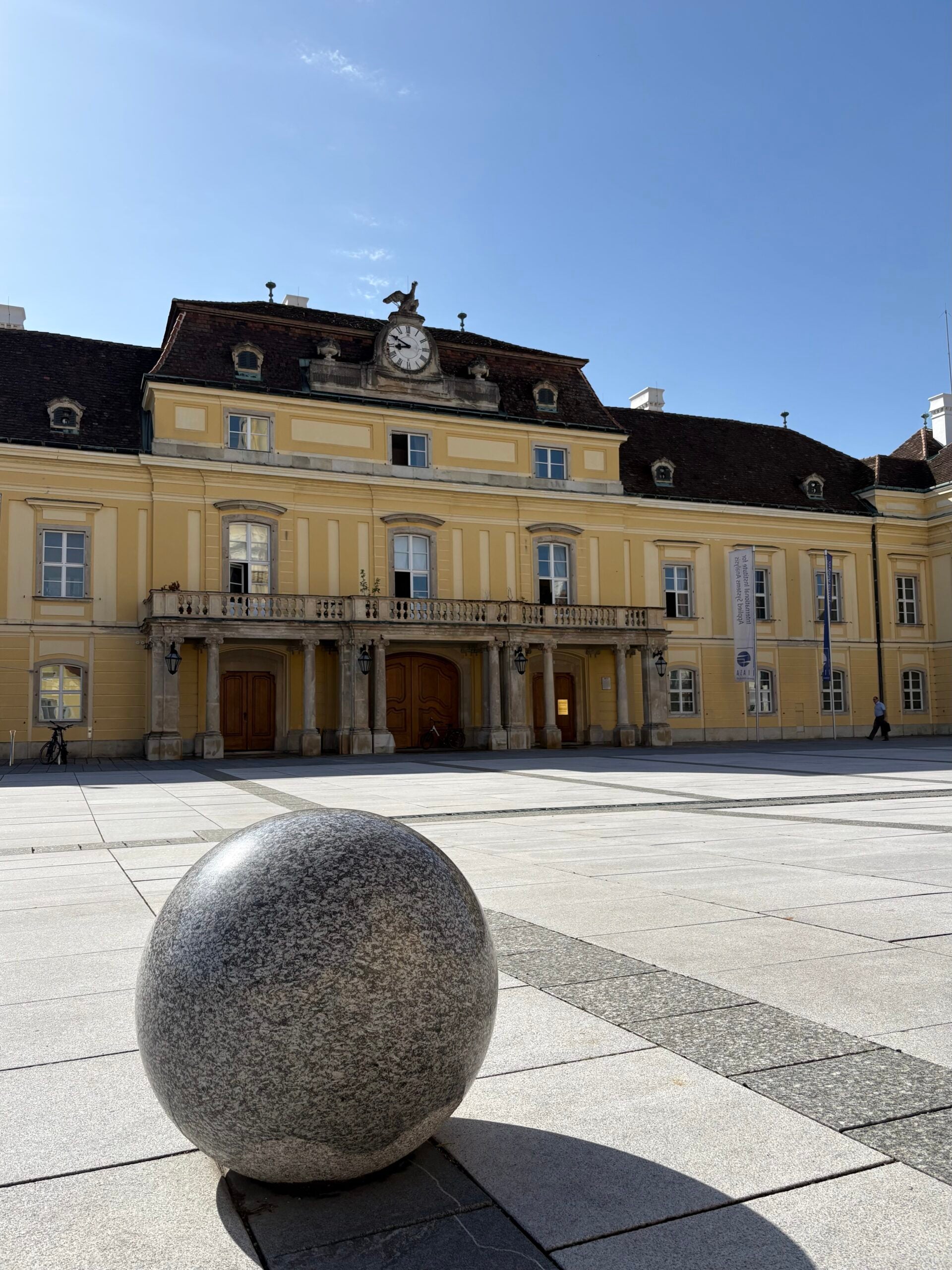
My week with people trying to build a more rigorous framework for international cooperation when the stakes are high and interests diverge.
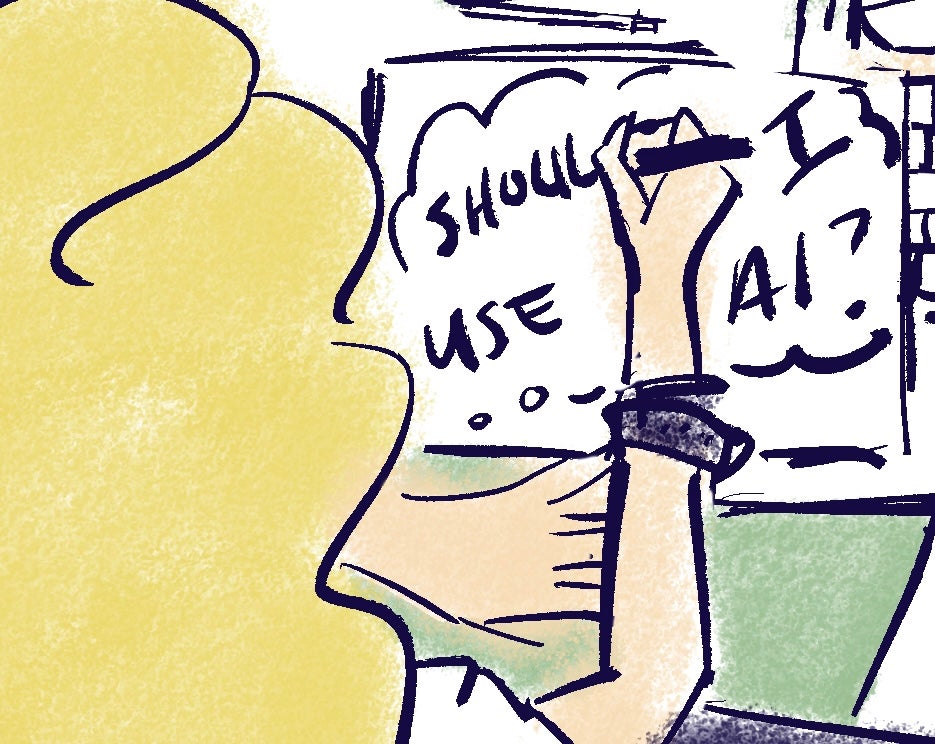
After thinking, praying, reading, researching, and talking about whether to use AI, here are the three questions I pose.

Deprescribing works only when people have somewhere else to go.

In well-designed play environments, safety is not achieved by eliminating risk but by designing for it.

Better human rights protections at sea could reduce forced labor, human trafficking, debt bondage, and violence.

Cold, rain, drought, and warming have both helped and harmed Americans’ efforts at pivotal moments.

New scenarios don’t mean that climate change isn’t real or risky. We still have to decide what kind of future we will accept.

An algorithm paid to deny care can’t distinguish between surgeries that should happen and ones that shouldn’t. Congress should fix the payment system instead.

Commercial space is booming, but governments still set the rules. To harness innovation, states need to proactively involve the private sector.

Meaningful reform requires acknowledging the gap between what health insurance promises and what it currently delivers.