Situating Science
A column about how the everyday language we use to talk about science reveals — or conceals — what we believe.
Flooding the Zone with Great Ideas


A column about how the everyday language we use to talk about science reveals — or conceals — what we believe.

Rethinking measurement priorities requires centering the people who actually produce and use health data — health workers, facility teams, and district managers, not philanthropists or donor countries.
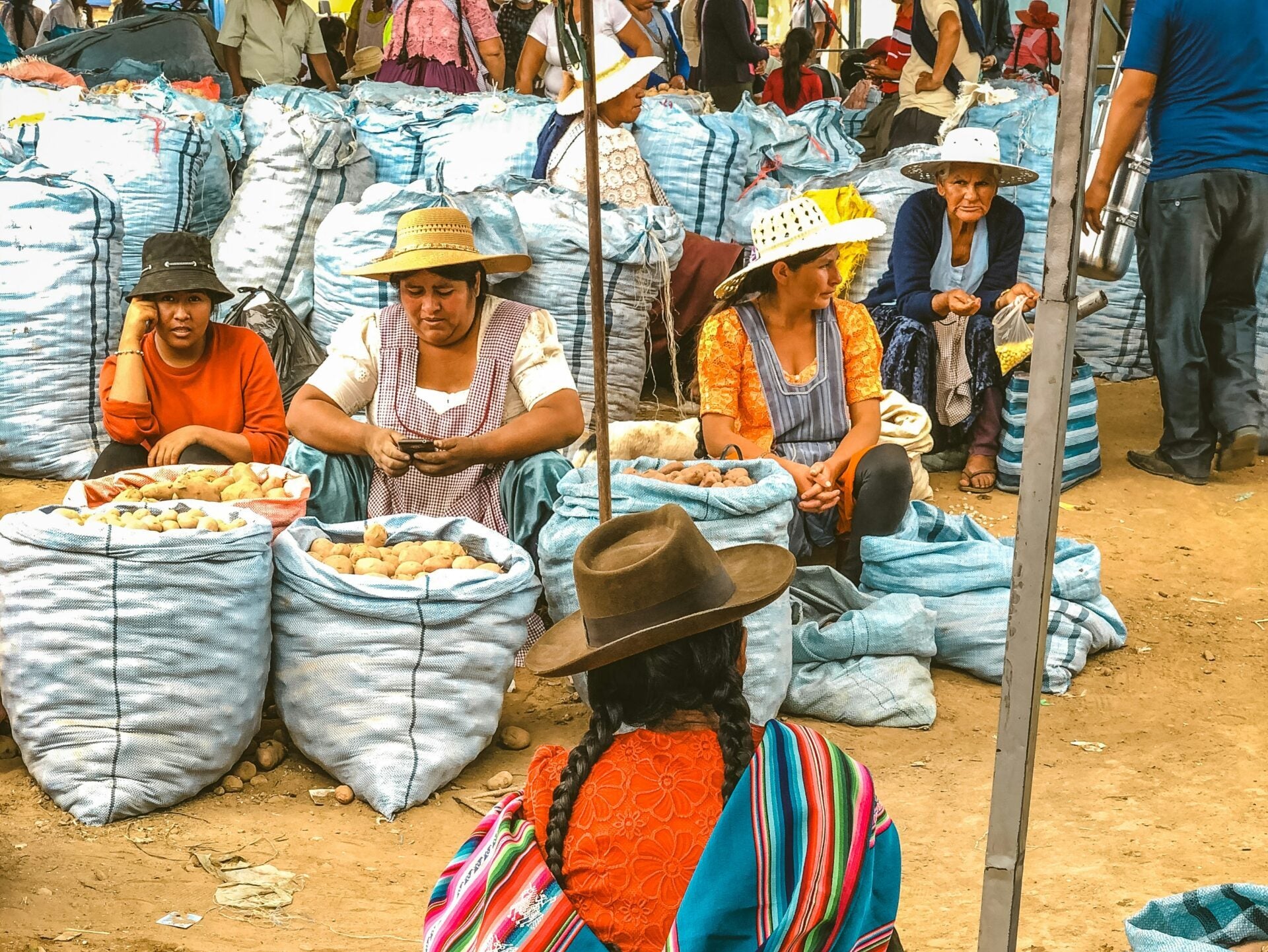
In Bolivia, many rural farmers resisted a reform that would seem to bring prosperity. Instead, Law 1720 would have made their land and livelihoods more precarious.

Systems can be good at locating someone at risk for a heart attack. But they fail the woman who says that she is ‘just off.’

In an ironic twist, highly processed products are increasingly used to satisfy consumers’ desire for real food. But açaí and moringa extracts are no substitute for access to fresh meals and the time to prepare them.

Economies that prioritize electricity abundance will win the race for economic growth.
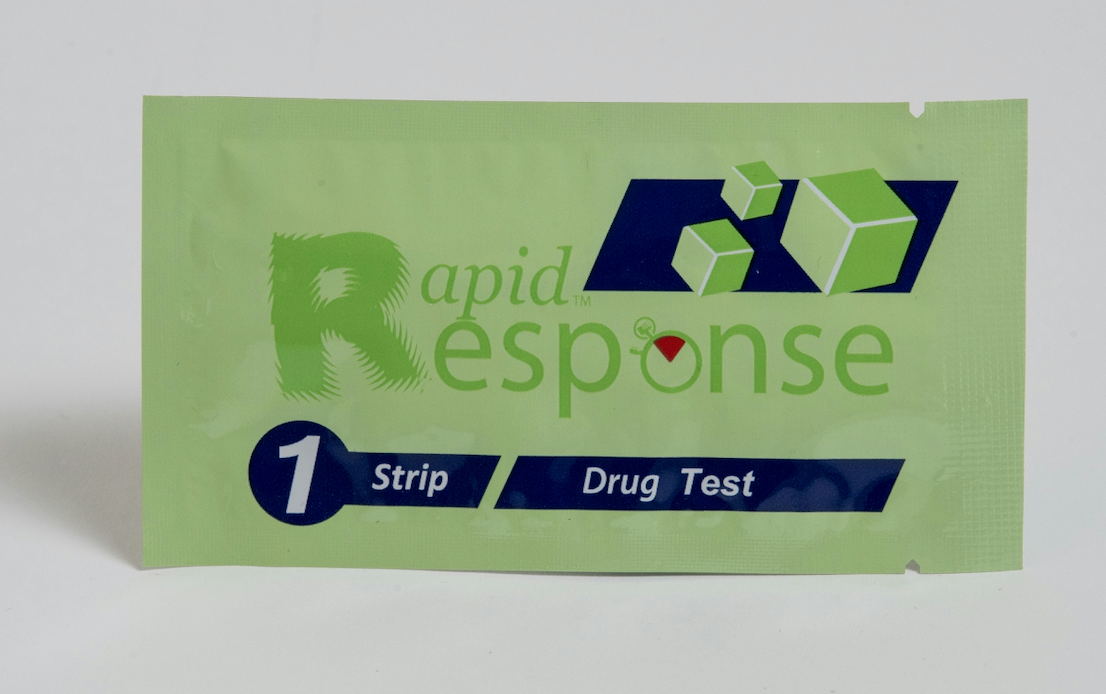
Legalizing drug testing equipment at both the federal and state level could be a tangible step toward reducing opioid overdose deaths.

All are in play — and none are facts foretold.
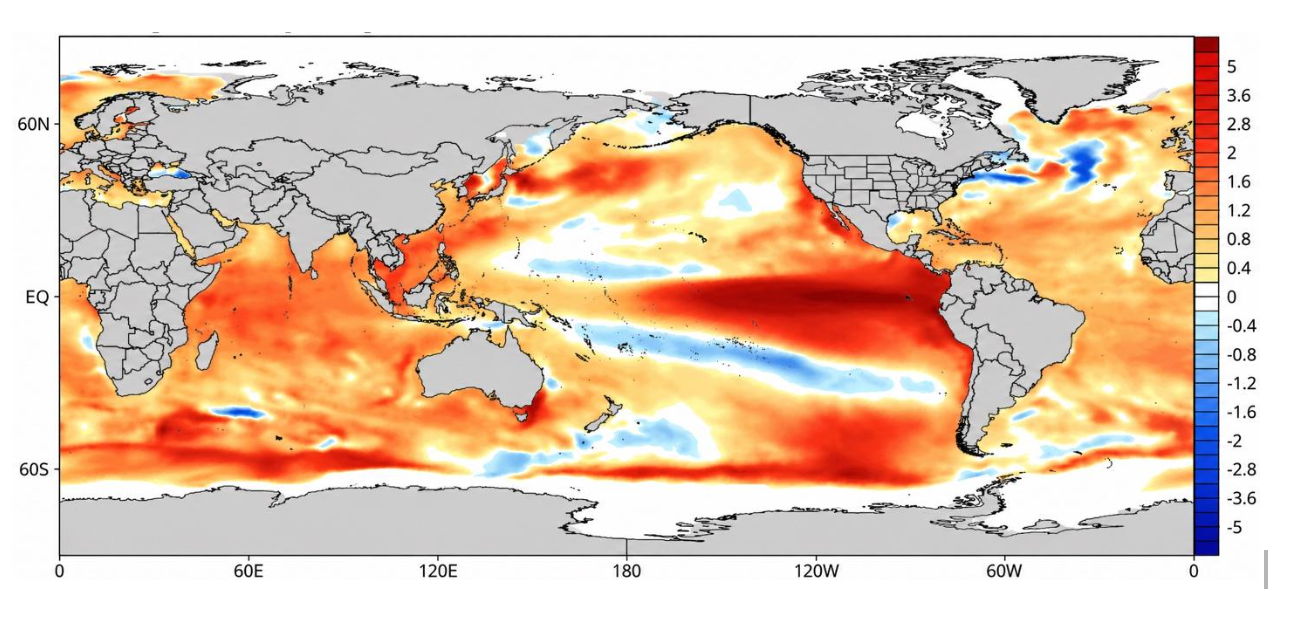
A Warning…

I grew up in the kind of place where government cheese was baked onto rectangular pizzas, and every talent show included a Dolly. The singer still informs my work in global health: Even those who have no money can be as rich as they could be.