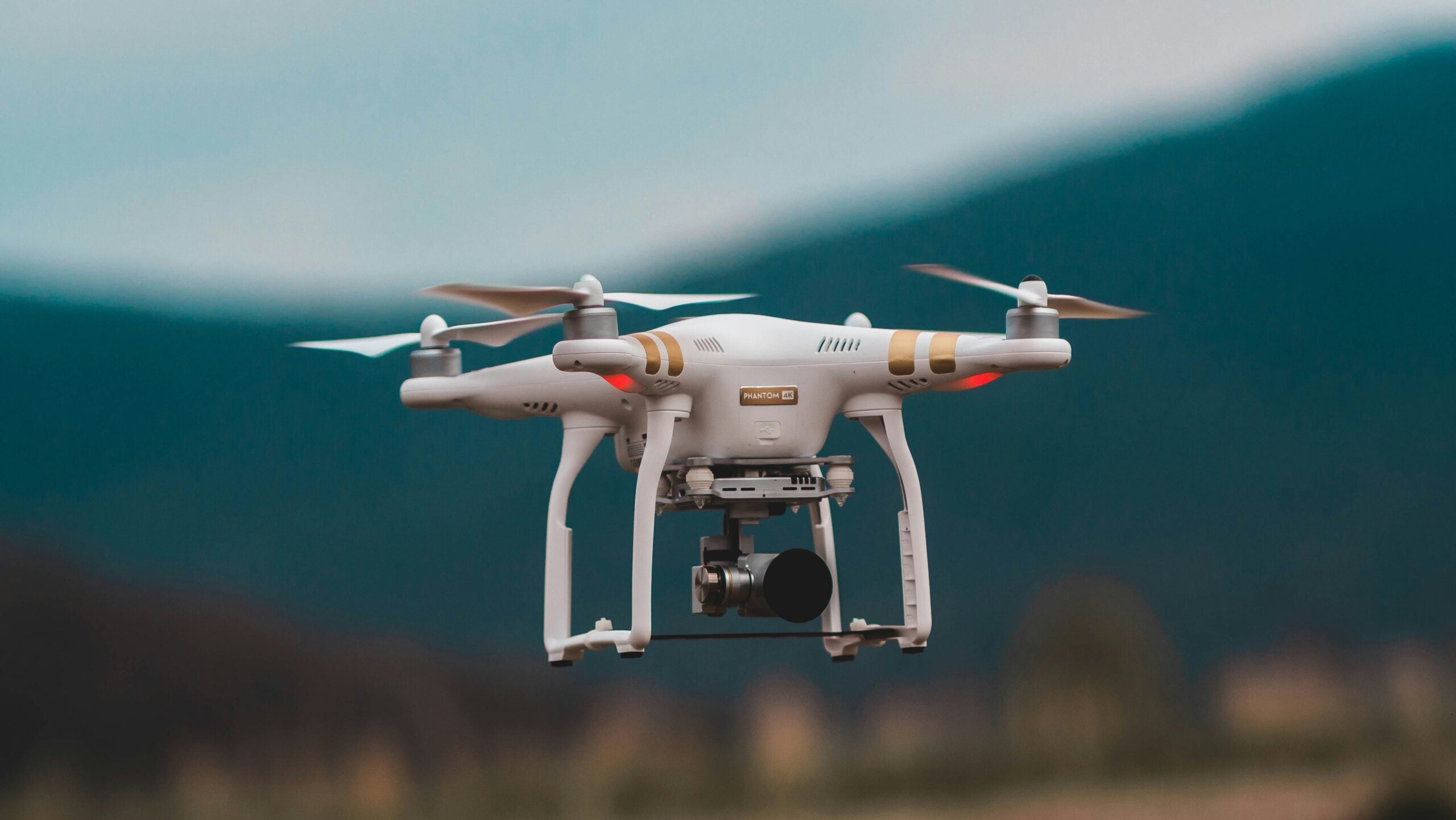
When a hiker goes missing in rural Oregon, a volunteer search-and-rescue team launches a drone to look for them. This drone costs less than $500.
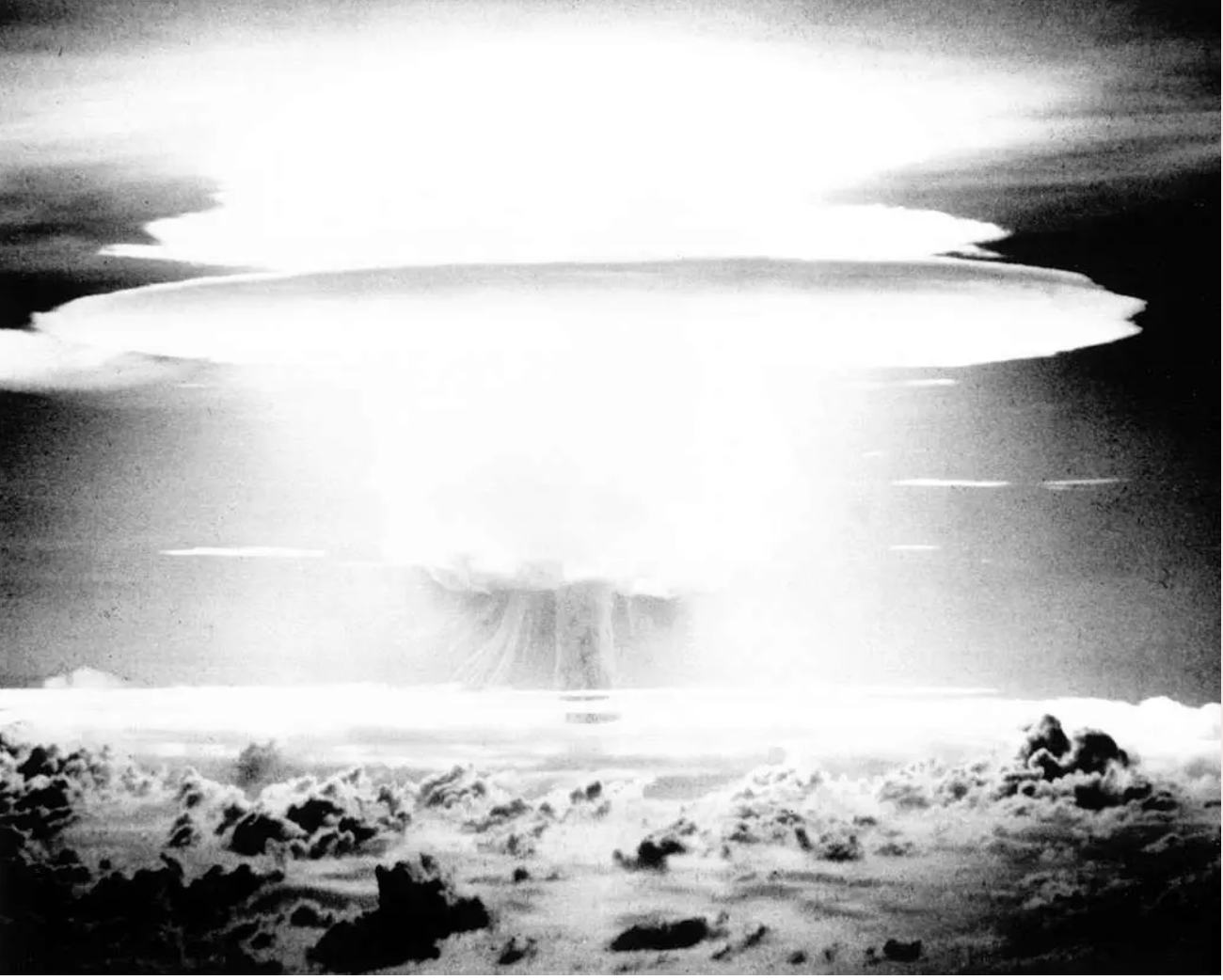
When the Department of Defense launches a drone at a target, it costs about $2,300.
Federal policy is increasingly making the second drone easier to buy than the first.
In December 2025, the Federal Communications Commission adopted new restrictions that made foreign-made drones harder to purchase. The move was framed as a national-security measure ahead of the 2026 FIFA World Cup, America250 celebrations, and the 2028 Los Angeles Olympics.
The FY 2026 National Defense Authorization Act later renewed and tightened restrictions on which drones could be sold in the United States.
The cheap, everyday drones used by local agencies and volunteer organizations remain largely absent from the domestic market.
Why?
The logic behind these policies is straightforward: cut American buyers off from DJI, the Chinese company that dominates the global consumer-drone market, and create a space for domestic industry to replace it.
But there is a problem. DJI built its business around inexpensive drones used by ordinary consumers and local organizations. The American replacement industry is increasingly oriented toward defense applications.
The result is that the replacement is happening at the wrong end of the market.
Military contracts pay far more per drone than any consumer ever could, and manufacturers have followed those incentives upward. The cheap, everyday drones used by local agencies and volunteer organizations remain largely absent from the domestic market.
The Tier That Disappeared
The Department of Defense’s Drone Dominance initiative is valued at roughly $1.1 billion.
The program has helped fund hundreds of thousands of one-way attack drones costing roughly $2,300 each. Future rounds are expected to require fully domestic supply chains.
Meanwhile, American-made drones from companies like Skydio, which fire and police departments are often pointed to as an alternative, cost between $10,000 and $50,000 each.
The small, lightweight drones used by many departments and volunteer groups — roughly equivalent in size and price to a DJI Mini — are not being built anywhere in the United States at comparable prices.
As long as defense contracts soak up the available engineers and investment dollars, no American company can build a $500 drone that meets the new federal sourcing rules at the volume consumer pricing requires.
This isn’t a temporary growing pain. It’s how money flows in an industry that serves both military and civilian customers: when one side pays a lot more, firms move toward that market. In other words, a startup choosing between a $2,300 federal defense contract and a $500 consumer product will choose the contract every time.
A January 2026 Pilot Institute survey of more than 8,000 drone operators captured what this looks like on the ground. Forty-three percent of respondents reported that loss of access to new DJI products would have an “extremely negative” or “potentially business-ending” impact on their work. Almost a quarter said they would shut down their drone-related businesses entirely.
These are not large enterprise buyers with procurement teams. They are volunteer fire departments mapping wildfire spread, search-and-rescue coordinators looking for missing hikers, agricultural extension agents flying crop diagnostics for small farmers, conservation NGOs counting populations of endangered species, and local journalists documenting flooding in rural counties.
For these users, a $500 drone is the difference between having the technology and not.
A $50,000 platform is not a more expensive choice. It is not a choice.
Why “Scale Up Domestic” Doesn’t Fix This
The standard response to this gap is patience. American manufacturers like Skydio, Inspired Flight, Teal, and Anzu Robotics will increase production, prices will fall, and the consumer market will eventually be rebuilt.
That assumption underlies much of the FY2026 National Defense Authorization Act effort to strengthen the domestic small-drone industry.
It may not be enough.
When Washington cuts off a Chinese supplier without thinking through how the affected industry actually makes money, the first people to lose access are the ones with no lobbyists.
As long as defense contracts soak up the available engineers and investment dollars, no American company can build a $500 drone that meets the new federal sourcing rules at the volume consumer pricing requires.
The Commercial Drone Alliance has made a similar point. Executive director Lisa Ellman has argued that domestic firms need time and significant taxpayer support before they can compete with DJI on price, and has advocated for incentives to reduce costs for end users.
The Anzu Robotics example shows another complication. Anzu licenses DJI’s technology and apps but assembles its drones outside China, which is enough to keep it off the federal restricted list. The fact that this workaround exists at all suggests the real concern is where the parts come from, not whether Chinese engineering is involved. Whether that’s actually what national security requires is a question no one has been asked to answer.
In the meantime, the agencies and operators that depend on consumer drones face a slow erosion. They can still use the drones they already own, but DJI batteries don’t last forever and replacement parts will get harder to find. By the end of 2026, the first search-and-rescue mission that fails because a department couldn’t replace a crashed drone will probably make national news.
Drone policy is a case study in a broader pattern. When Washington cuts off a Chinese supplier without thinking through how the affected industry actually makes money, the first people to lose access are the ones with no lobbyists.
A Civilian-Tier Framework
There are at least three ways policy could be redesigned to avoid this outcome.
First, tiered compliance. A Blue UAS Lite designation could create a lower-burden pathway for users like fire departments, SAR teams, conservation organizations, and public universities to access drones. The current Blue UAS Cleared List was designed for federal users. Extending a parallel track for civilian public-interest users would acknowledge that not every drone in American airspace is supporting national-security operations.
A serious technology-security framework has to ask not only who is excluded from U.S. supply chains, but who in American society depends on what those supply chains have made affordable.
Second, volume procurement. The government can support wide-scale purchasing of drones to give a domestic manufacturer the order book needed to drive consumer pricing. Rural broadband programs use this structure routinely; defense does not have a monopoly on the number of internet providers in rural U.S. A federal commitment to purchase, say, 250,000 cheaper drones would enable manufacturers to reduce their price and still make money.
Third, civilian-impact assessments. Any future tech-decoupling action, whether on semiconductors, biotech, or connected vehicles, should spell out which civilian users it will affect, and how. The drone case shows what happens when no one asks. The BIOSECURE Act, now in implementation, applies federal-procurement rules to genomics work that includes academic research collaborations. Connected-vehicle restrictions carry similar risks for farm equipment and rural transportation that no one has fully traced.
Low Drone Prices Keep People Safer
American policy debates over technology and security have largely framed the question as one between U.S. and Chinese industry. The drone case suggests a different framing is needed.
The casualties of decoupling are not just American consumer-drone users. Fire departments adopted drones because the price point made them feasible without procurement officers. Search-and-rescue teams trained on consumer platforms because that was what their budgets allowed. Conservation groups, university researchers, agricultural extension services: an entire layer of civic and scientific infrastructure has been built on the assumption that consumer-grade drone technology would remain accessible.
That layer is what is now disappearing.
A serious technology-security framework has to ask not only who is excluded from U.S. supply chains, but who in American society depends on what those supply chains have made affordable. Those users, rarely organized and almost never represented in Washington’s drone-policy debates, pay the bill first.