Fallout Stories in a Time of Cruel Heat
The story of a Japanese fishing vessel exposed to radiation made the threat of nuclear contamination feel personal for Americans in 1954. Can we learn a lesson from it today?
Flooding the Zone with Great Ideas

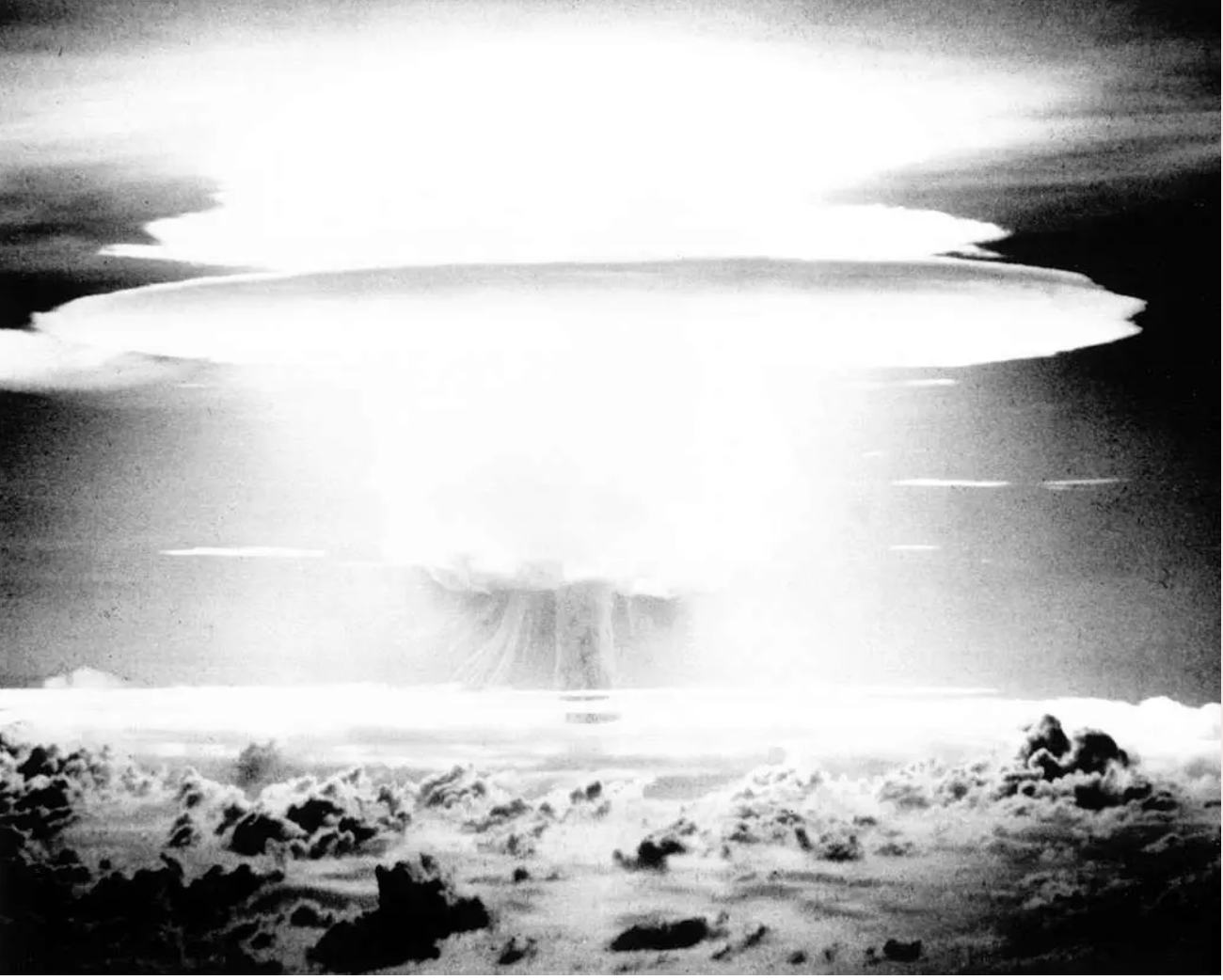
The story of a Japanese fishing vessel exposed to radiation made the threat of nuclear contamination feel personal for Americans in 1954. Can we learn a lesson from it today?
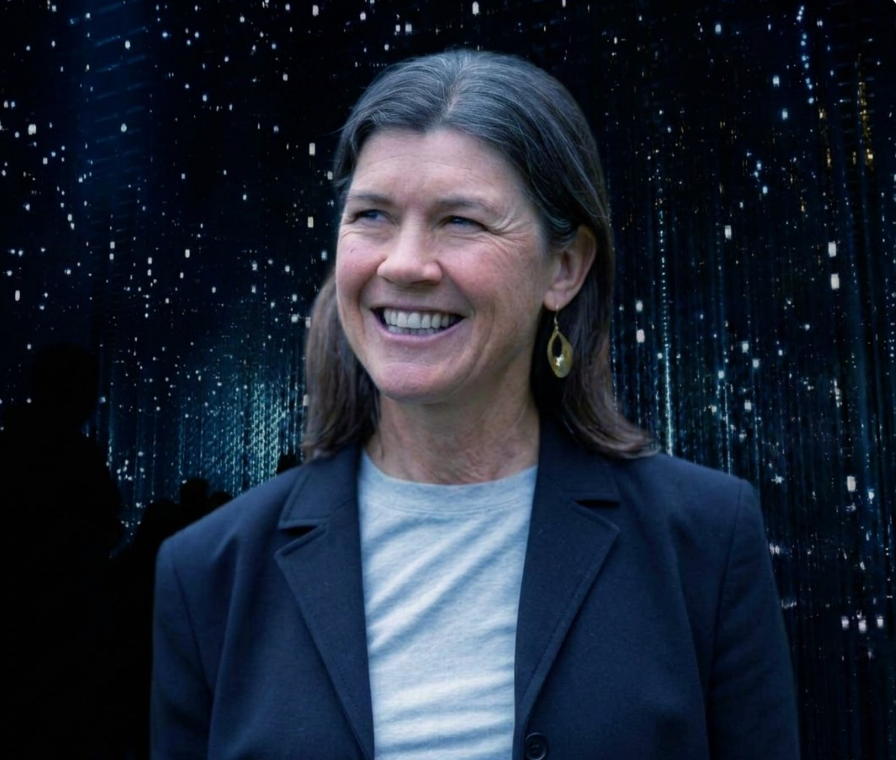
A column about how the everyday language we use to talk about science reveals — or conceals — what we believe.
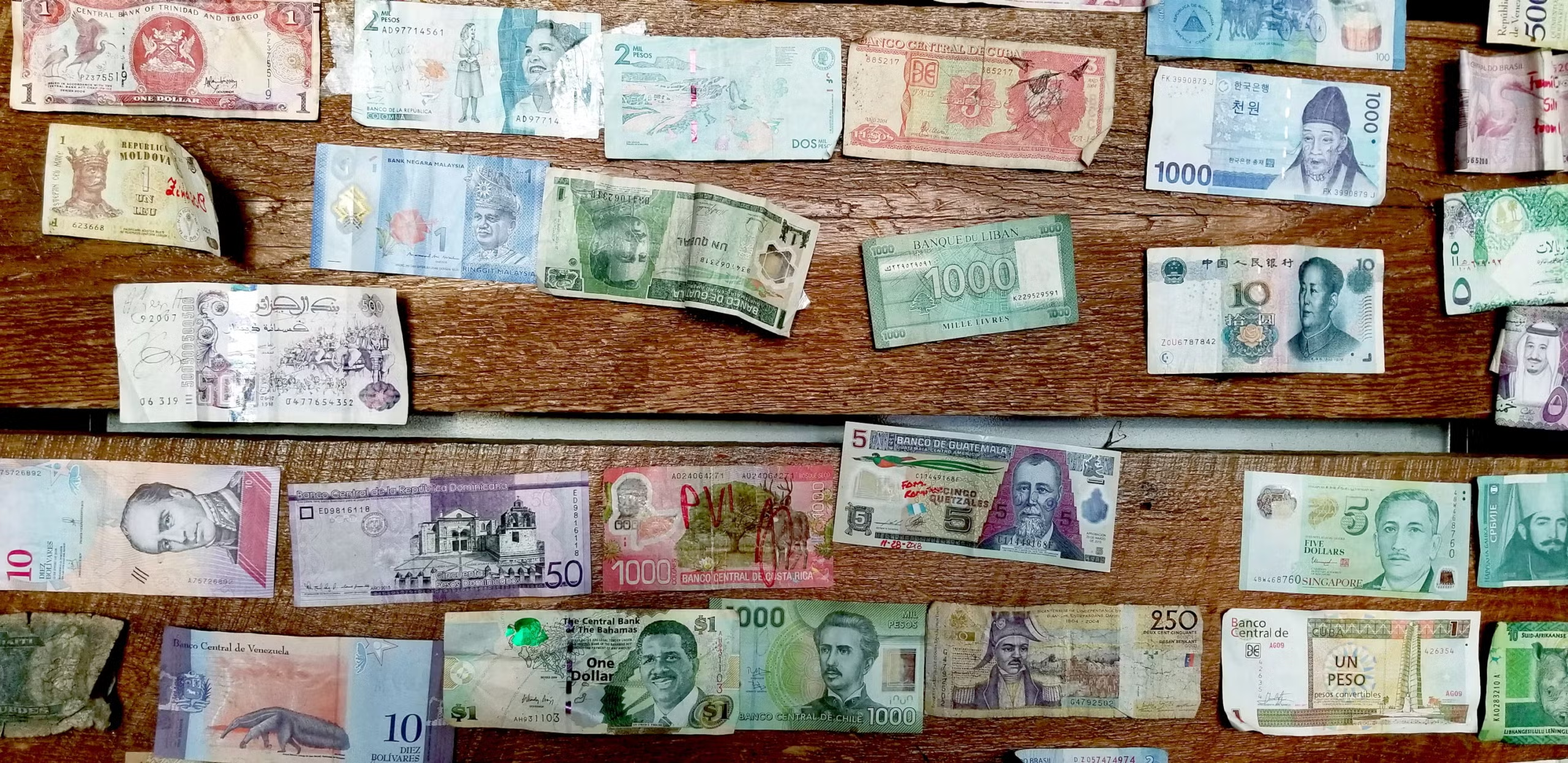
Rethinking measurement priorities requires centering the people who actually produce and use health data — health workers, facility teams, and district managers, not philanthropists or donor countries.
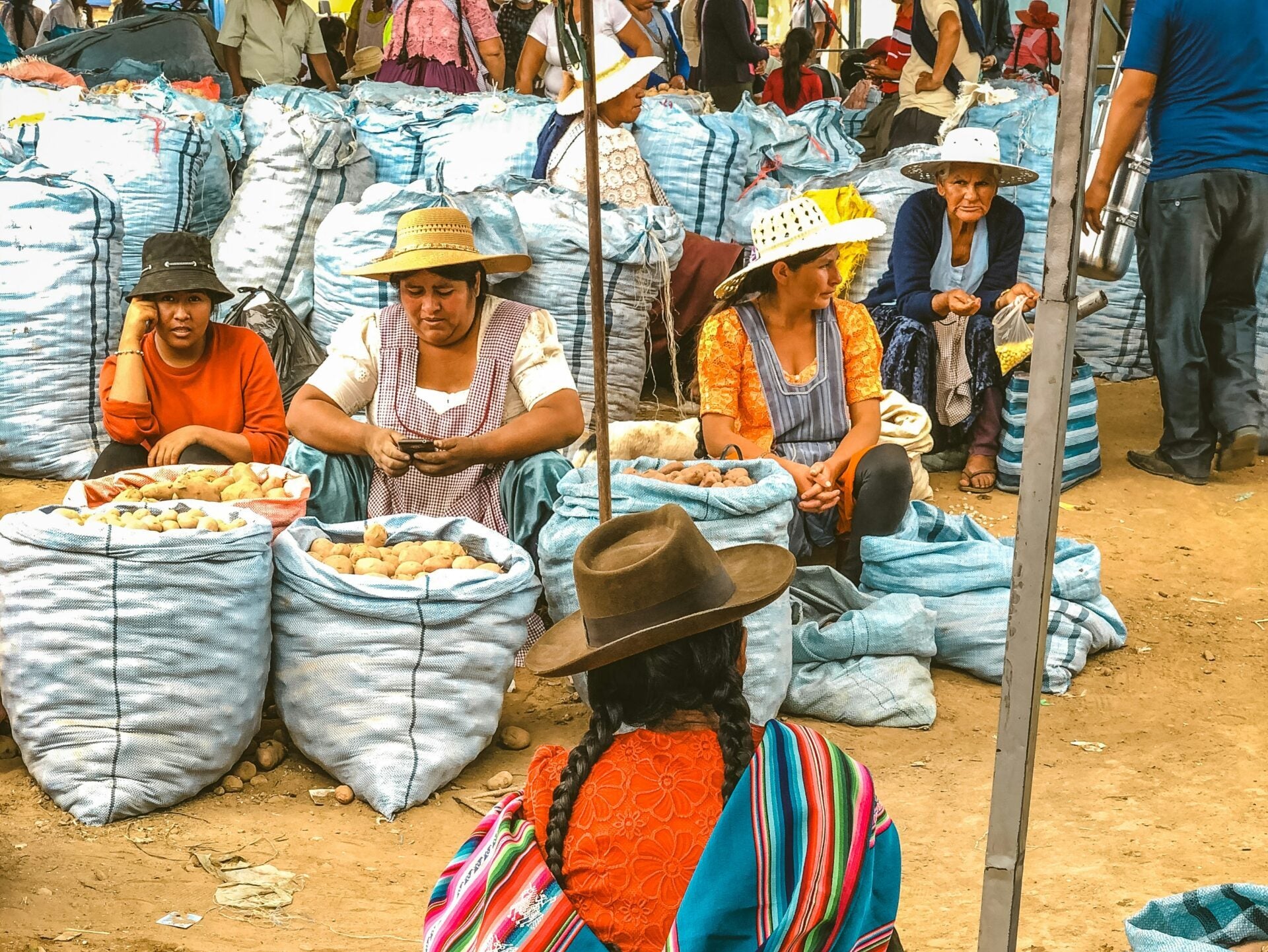
In Bolivia, many rural farmers resisted a reform that would seem to bring prosperity. Instead, Law 1720 would have made their land and livelihoods more precarious.
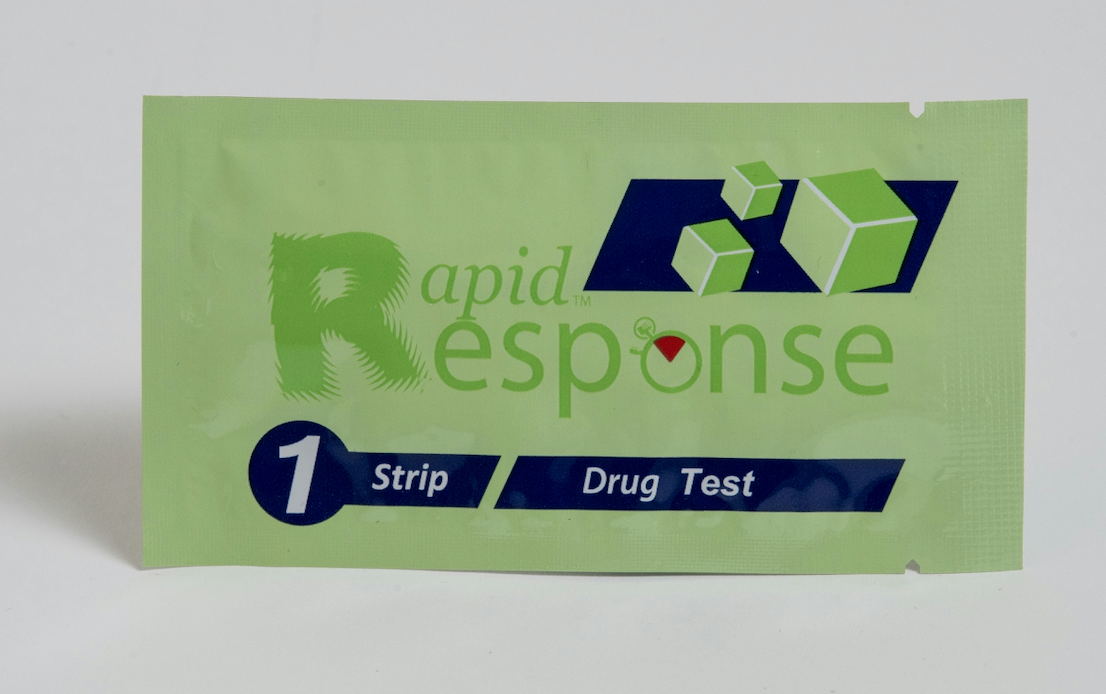
Legalizing drug testing equipment at both the federal and state level could be a tangible step toward reducing opioid overdose deaths.
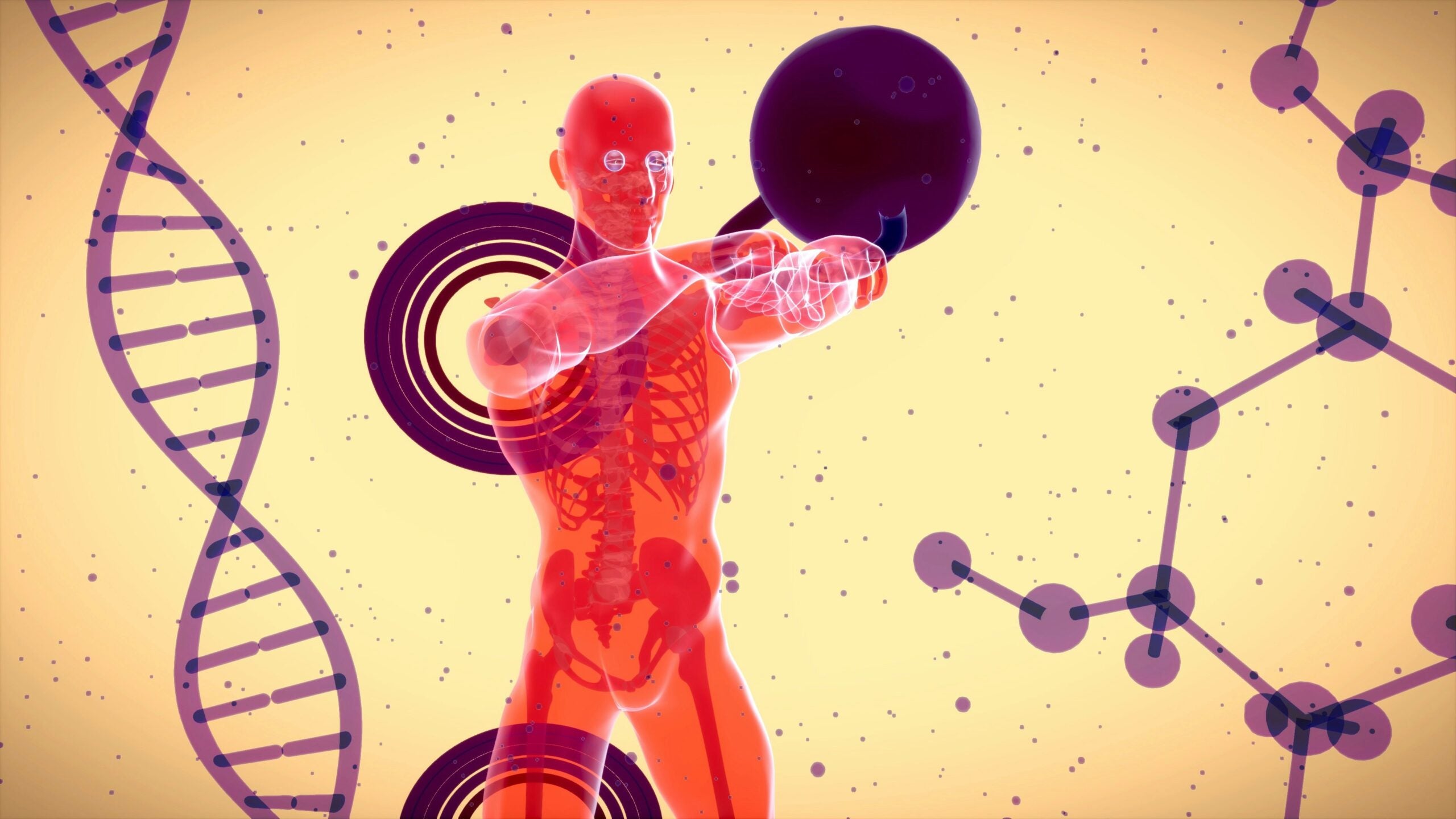
All are in play — and none are facts foretold.

I grew up in the kind of place where government cheese was baked onto rectangular pizzas, and every talent show included a Dolly. The singer still informs my work in global health: Even those who have no money can be as rich as they could be.
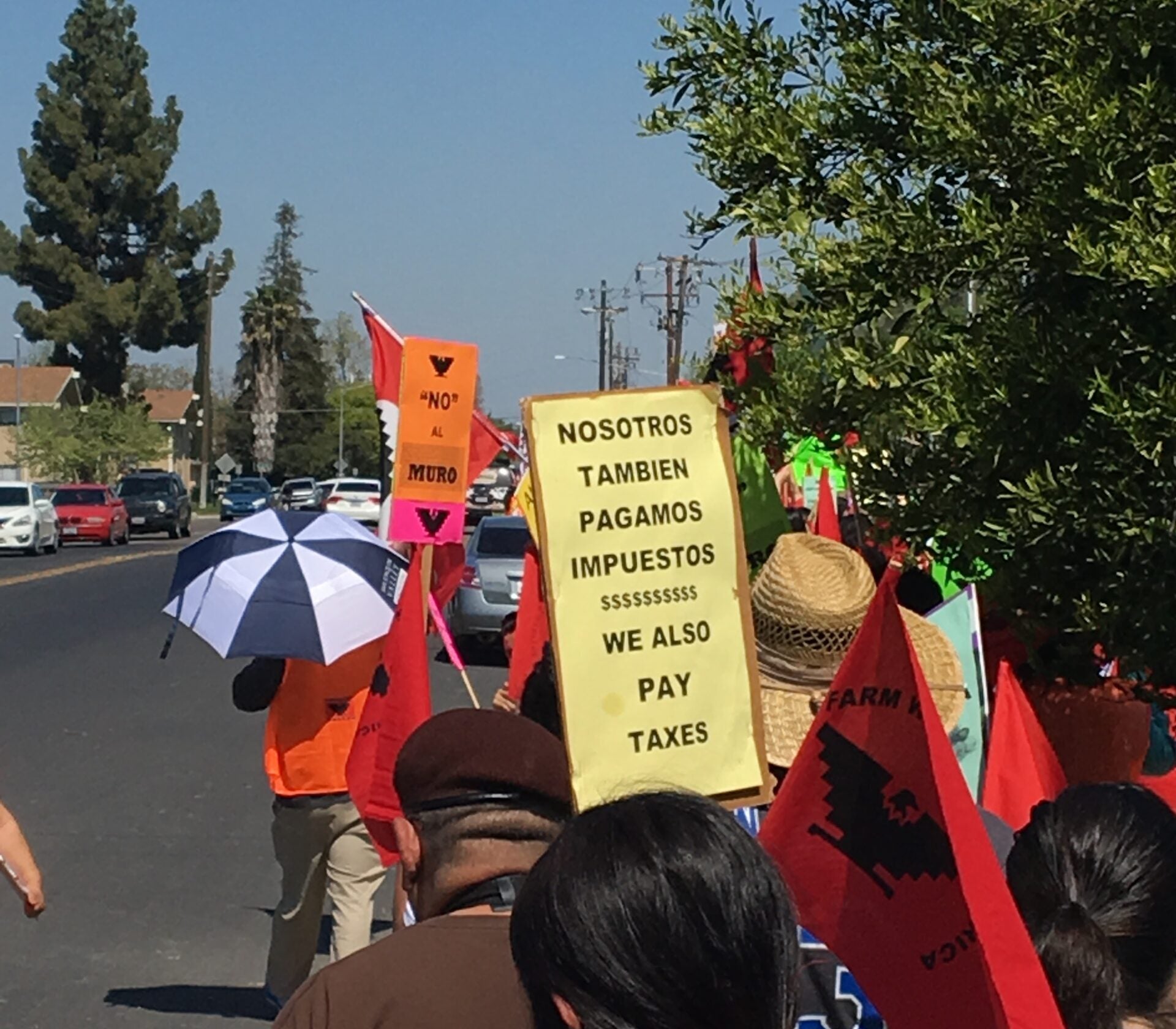
After months of ICE raids, upcoming bills demonstrate bipartisan efforts to recognize the importance of undocumented farmworkers.
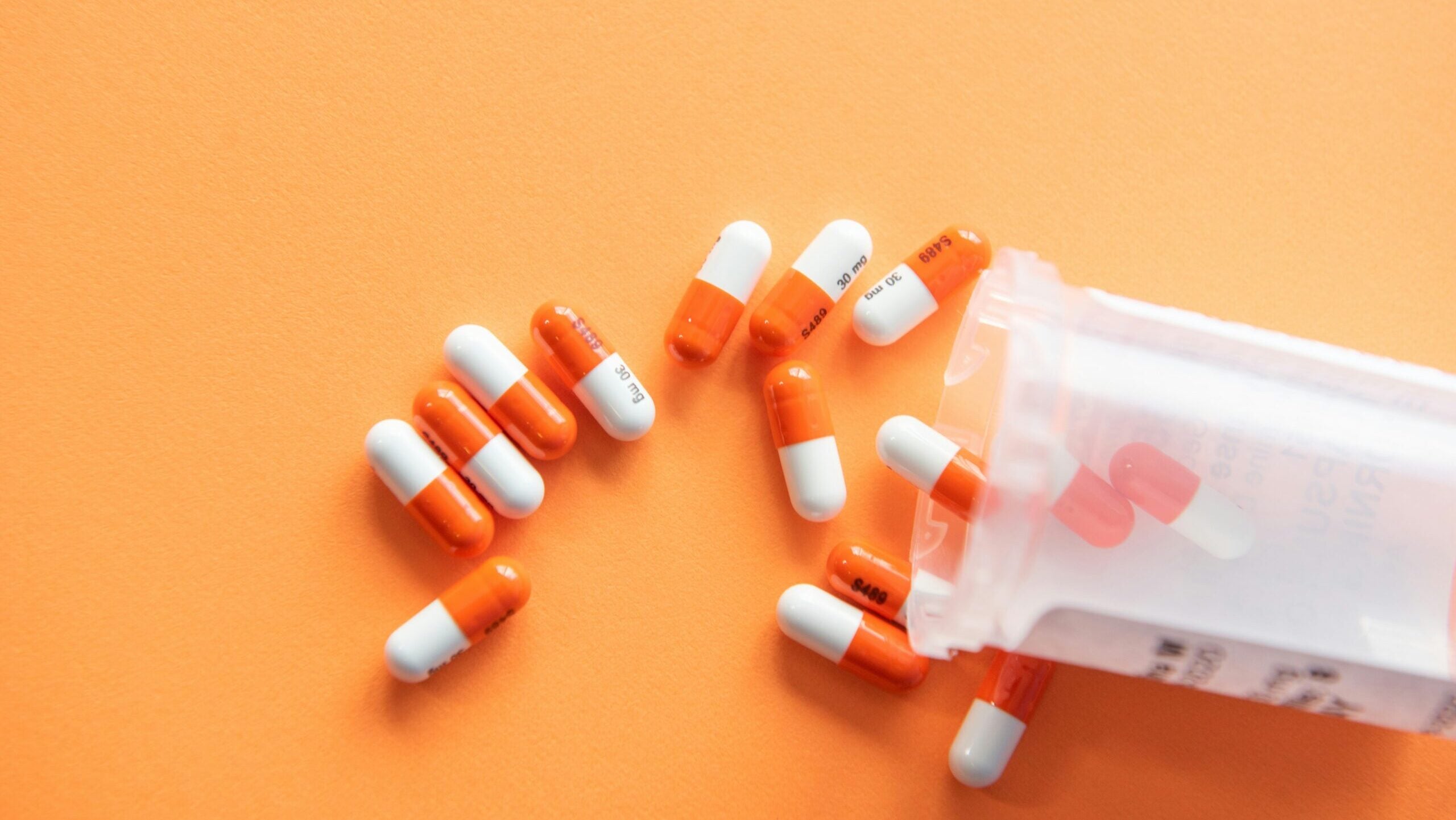
The buprenorphine bottleneck in Washington, D.C.’s opioid crisis is not the supply. It is everything standing between the shelf and the person.
Organisms are less like optimized Swiss watches and more like a messy collection of political factions.