Online Spaces for Children Don’t Have to Be Outlawed. They Just Have to Be Safe Enough.
In well-designed play environments, safety is not achieved by eliminating risk but by designing for it.
Flooding the Zone with Great Ideas


In well-designed play environments, safety is not achieved by eliminating risk but by designing for it.
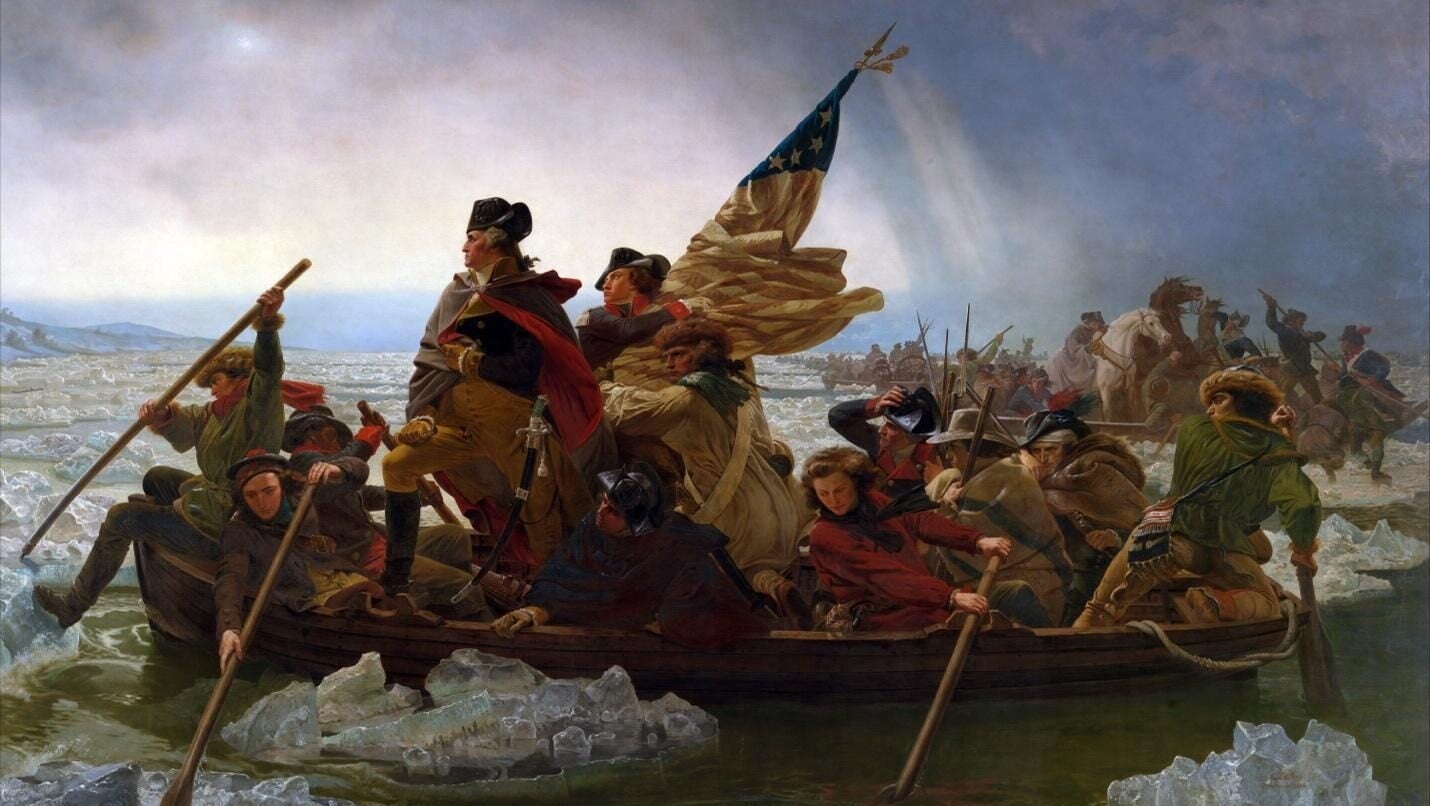
Cold, rain, drought, and warming have both helped and harmed Americans’ efforts at pivotal moments.
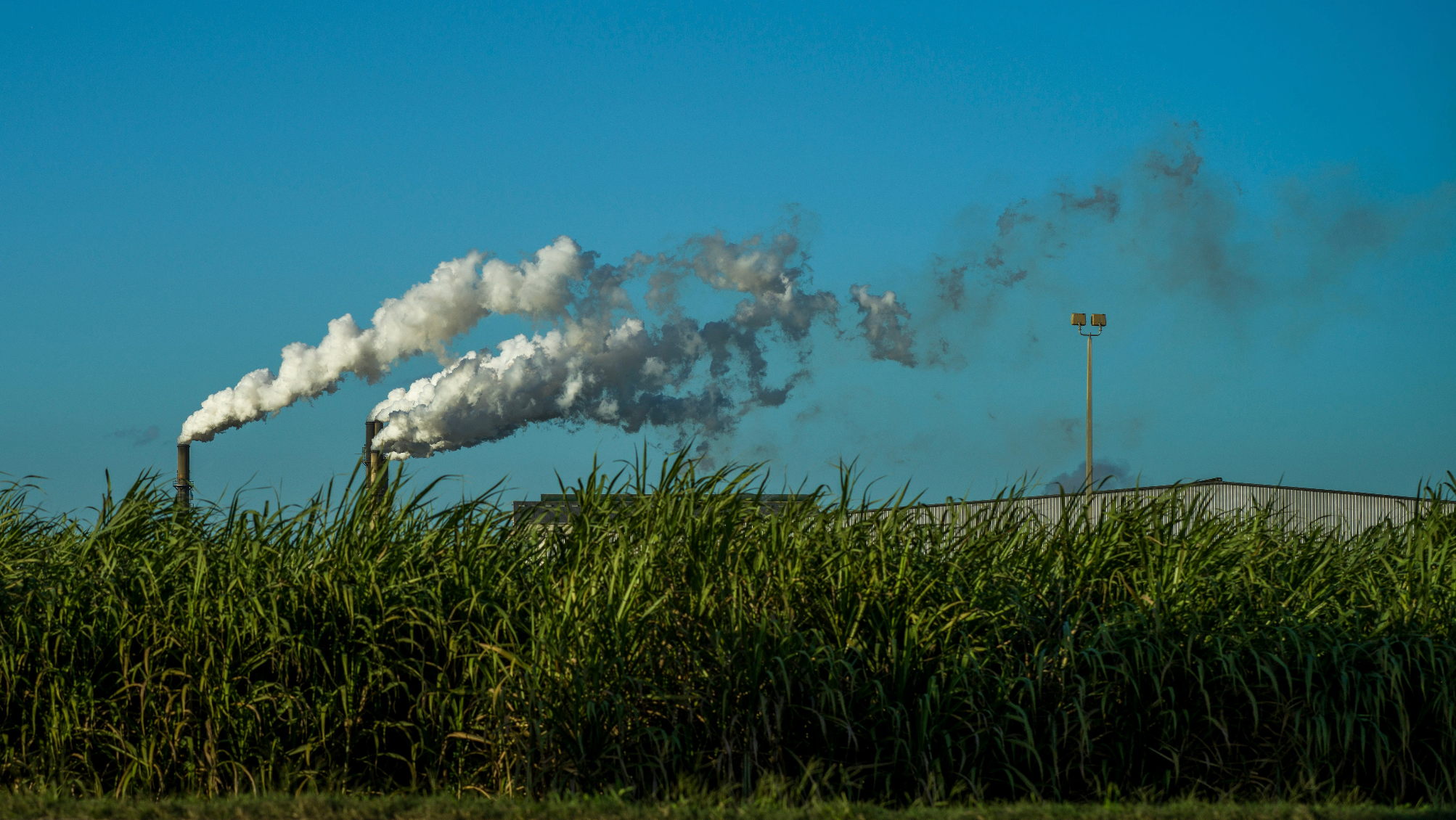
New scenarios don’t mean that climate change isn’t real or risky. We still have to decide what kind of future we will accept.

Meaningful reform requires acknowledging the gap between what health insurance promises and what it currently delivers.
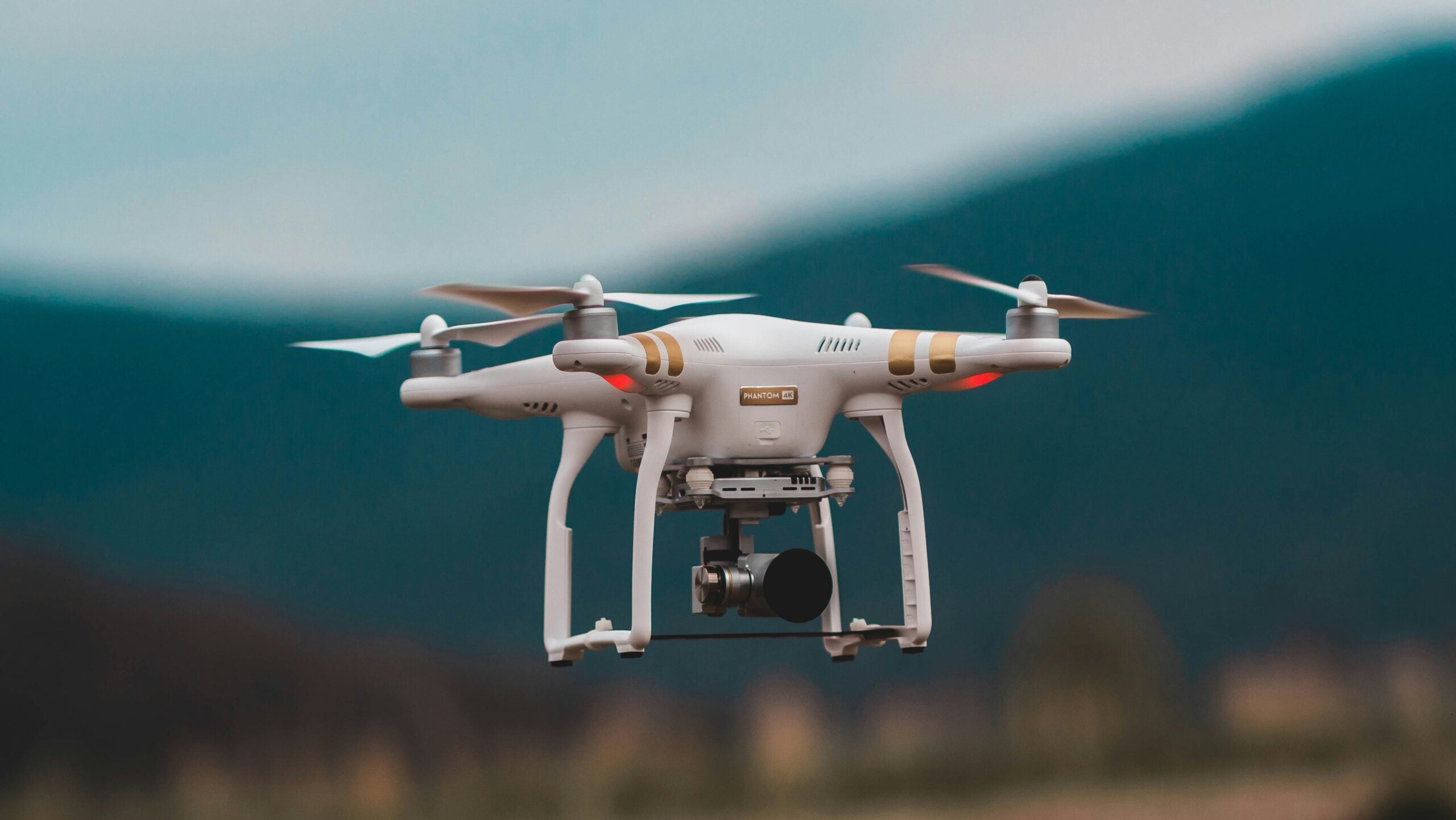
As the U.S. restricts Chinese drones, American manufacturers are focusing on military systems — leaving firefighters, search teams, and other civilian users without affordable alternatives.

My symptoms weren’t just perimenopause. They were signs of cancer — and better care might save others from delayed diagnoses.

The humanitarian response continues to be framed almost entirely around protection from persecution, rather than around long-term resilience to recurring environmental shocks.

Competing narratives emerge not because evidence is inherently ambiguous, but because power determines which knowledge is visible, legitimate, or silenced.
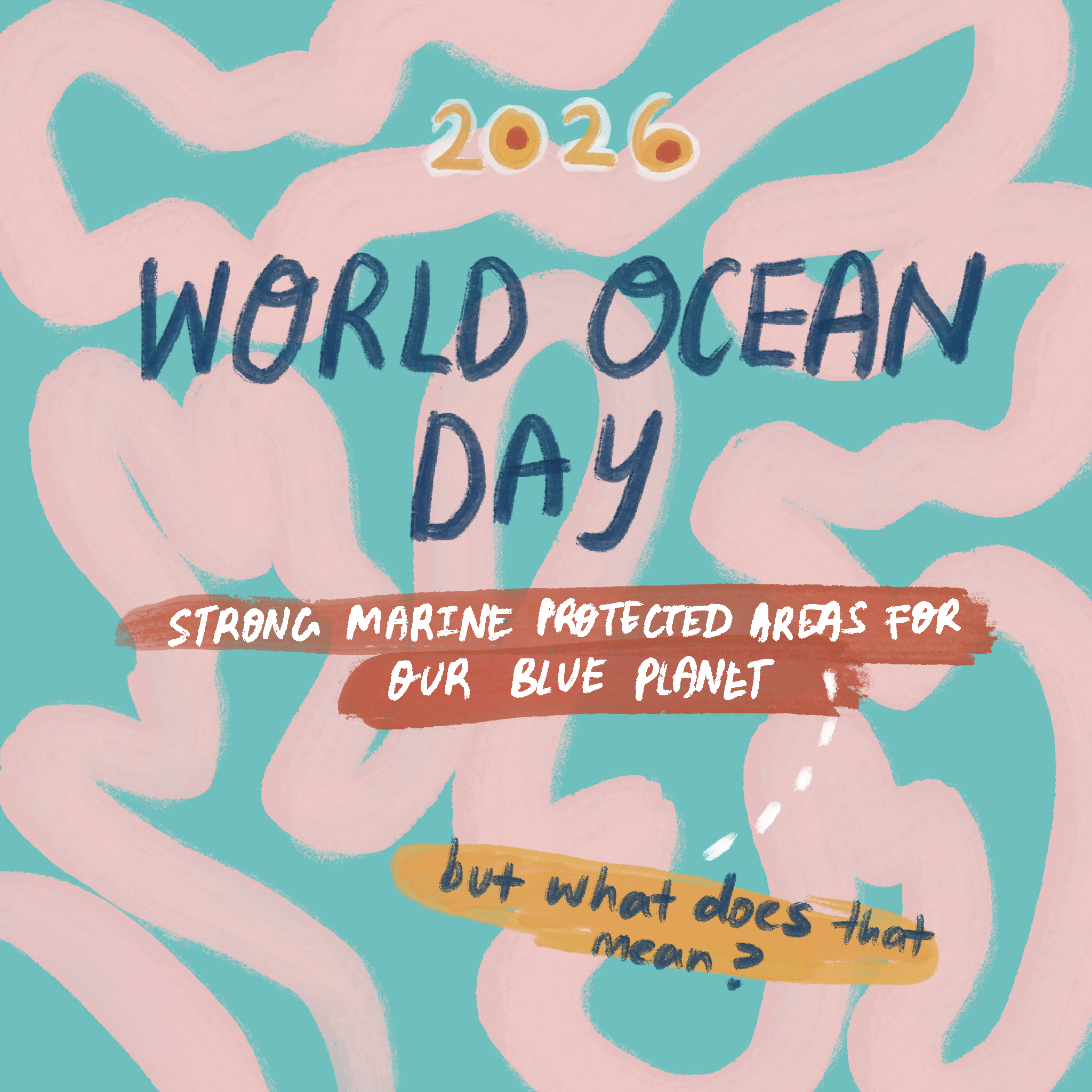
Boundaries matter only if we enforce them, and if they are put in the right places to begin with.

To create fair promotion and evaluation systems, academia might learn something from biology: Cells do not rely on one individual; tissues survive because they are adaptable and redundant.