Fallout Stories in a Time of Cruel Heat
The story of a Japanese fishing vessel exposed to radiation made the threat of nuclear contamination feel personal for Americans in 1954. Can we learn a lesson from it today?
Flooding the Zone with Great Ideas
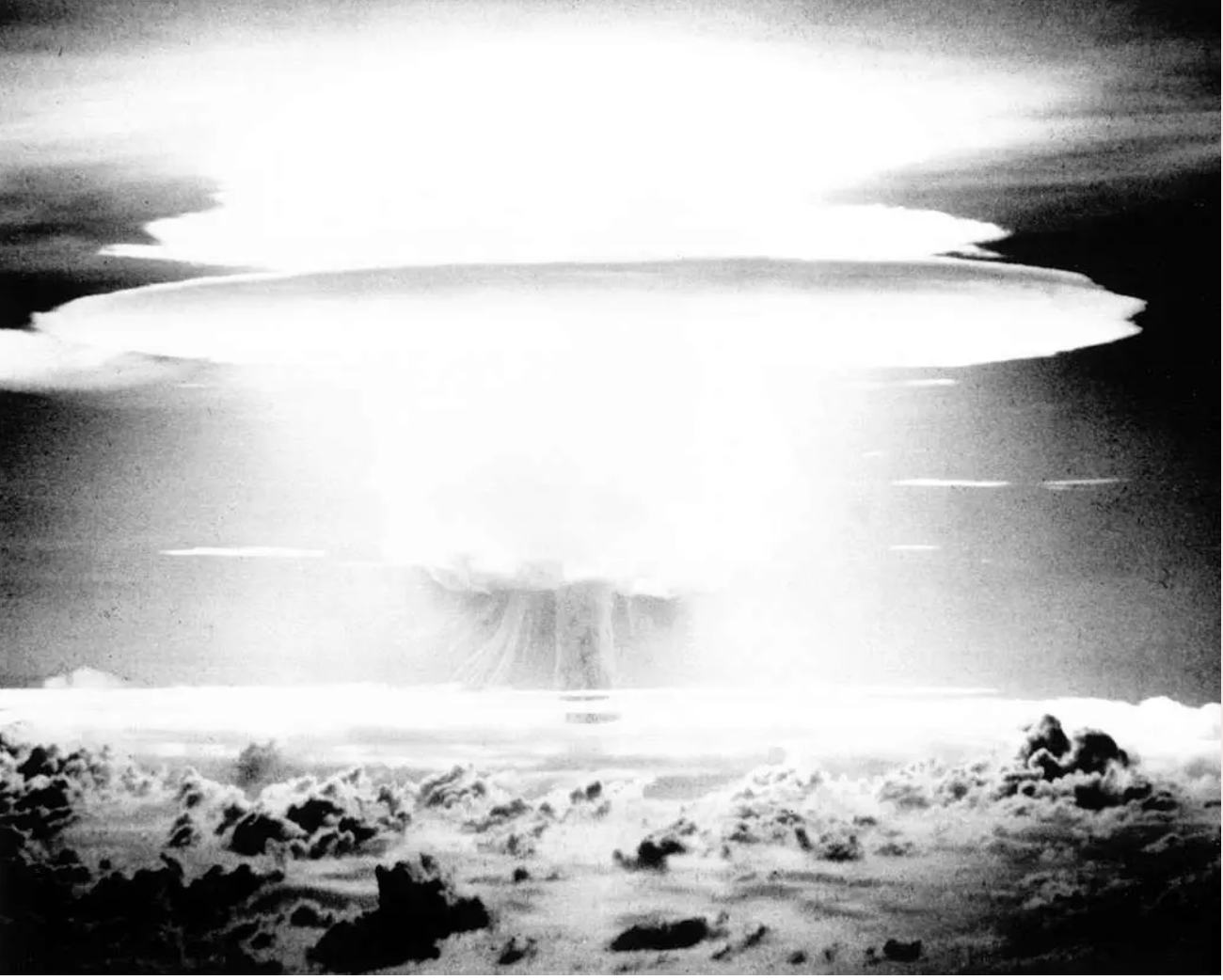
The story of a Japanese fishing vessel exposed to radiation made the threat of nuclear contamination feel personal for Americans in 1954. Can we learn a lesson from it today?
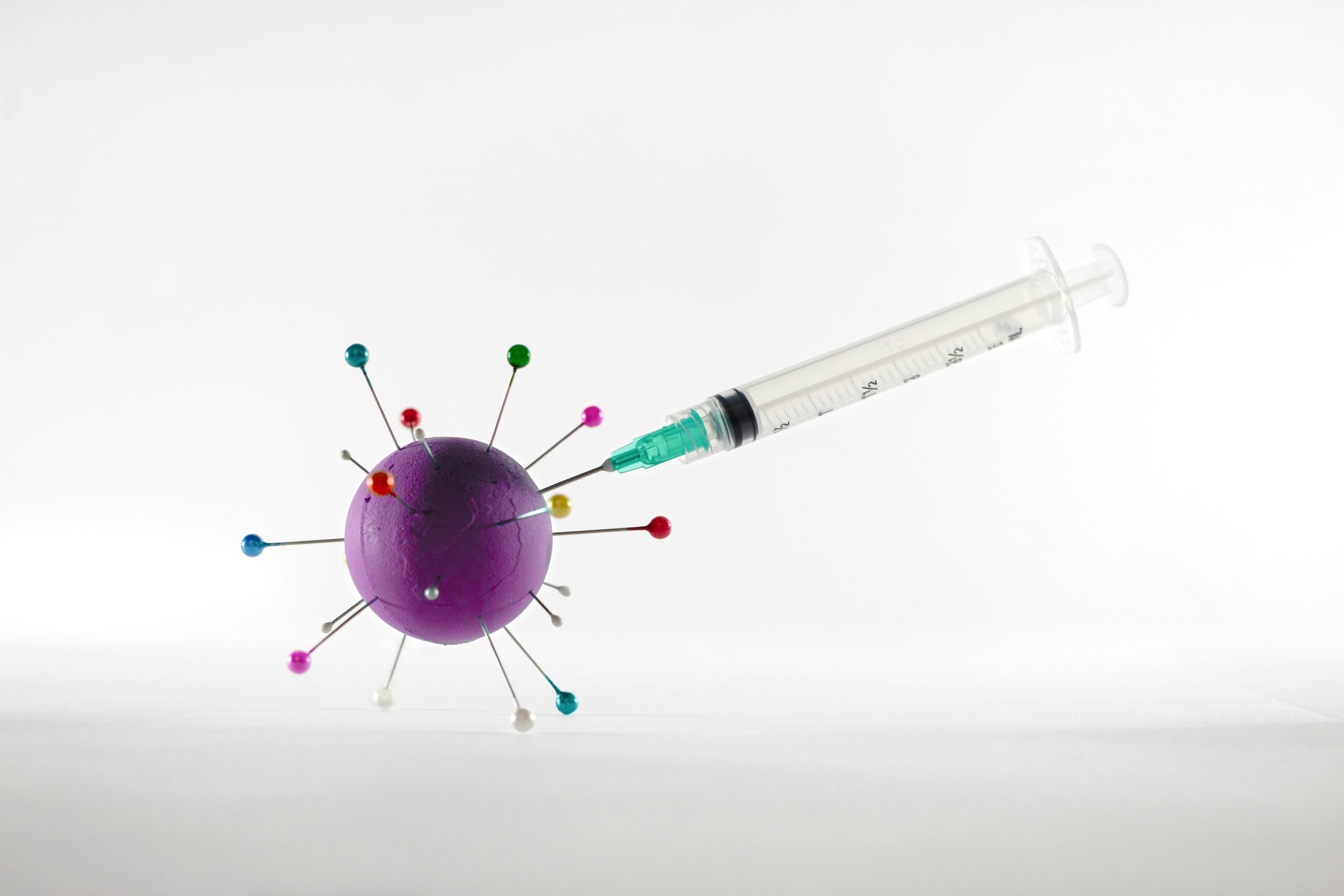
The absence of disease shows the prevention has been achieved, not that prevention is no longer necessary.
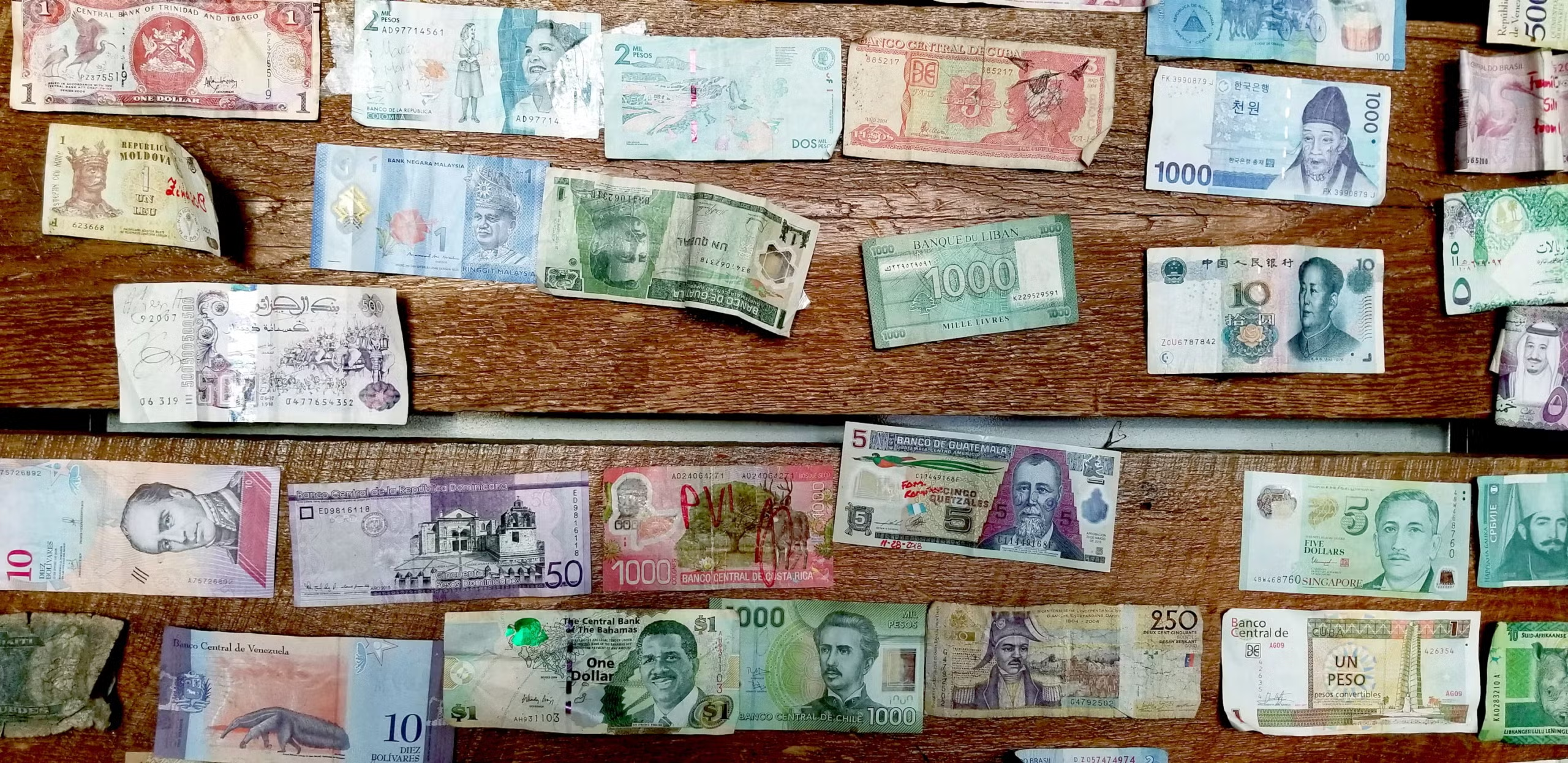
Rethinking measurement priorities requires centering the people who actually produce and use health data — health workers, facility teams, and district managers, not philanthropists or donor countries.

Systems can be good at locating someone at risk for a heart attack. But they fail the woman who says that she is ‘just off.’
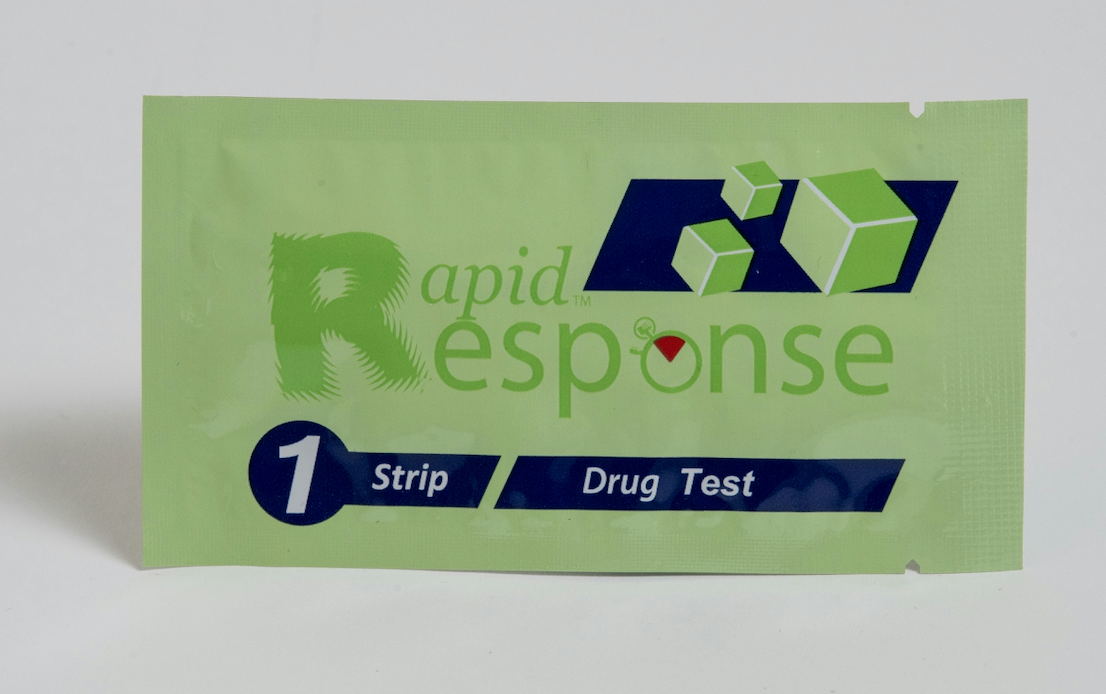
Legalizing drug testing equipment at both the federal and state level could be a tangible step toward reducing opioid overdose deaths.
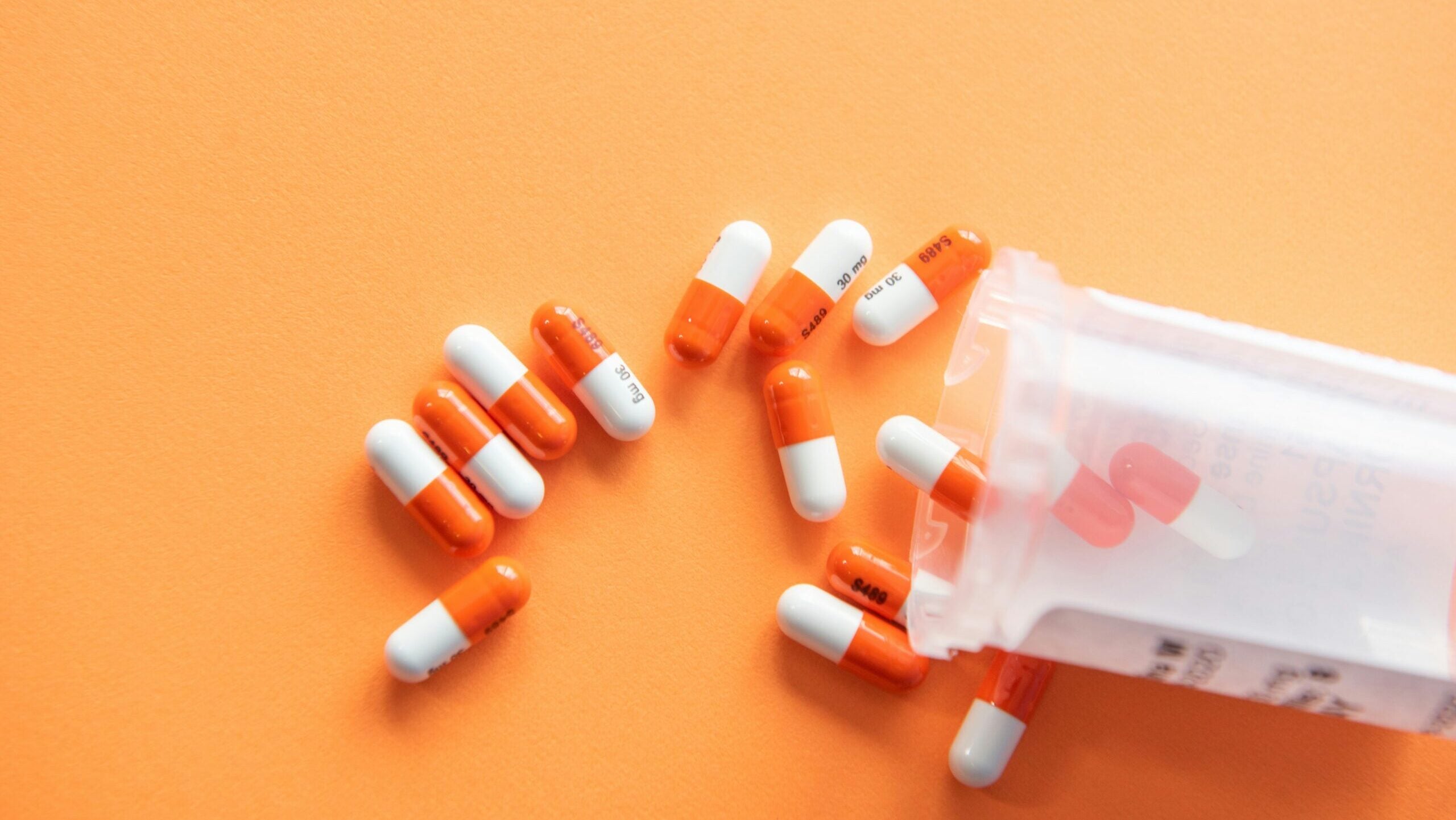
The buprenorphine bottleneck in Washington, D.C.’s opioid crisis is not the supply. It is everything standing between the shelf and the person.
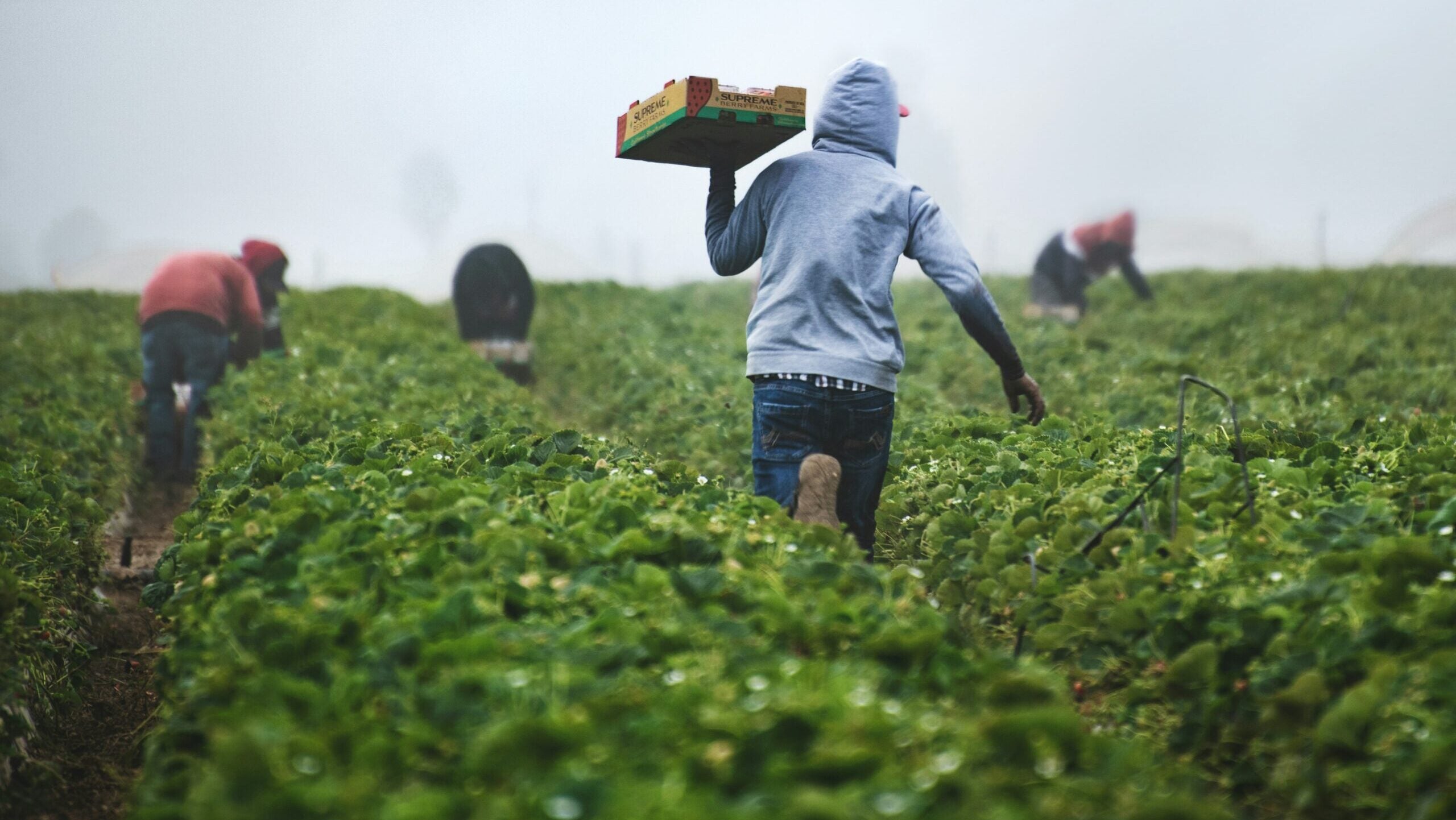
Extended transnational families form a core, essential part of the food system, making possible a multi-billion dollar agricultural industry. Whether family members are forced to move or forced to stay informs how produce, money, and workers flow.

The most effective model involves physicians, therapists, counselors, and care coordinators collaborating toward shared goals for the same child.

Not what does the data show, but how does the data get made?

Hundreds of millions of people already use AI for psychological support. Accountability is not only an ethical imperative but a competitive one.