Above the water, the sea looks like a uniform blue liquid. Protecting specific parts of the ocean by creating zones with different rules could seem strange.
However, protecting parts of the ocean has been practiced since time immemorial by indigenous and coastal communities. People who rely on and manage their marine resources can see what is invisible to outside observers — that the distribution of fish and other resources is not random but a complex interplay between habitat, oceanographic conditions, food availability, and other environmental factors. Through time, different communities have understood that fish are associated with particular places and seasons.
Modern marine protected areas (MPAs) share some similarities with these long-standing forms of marine stewardship.
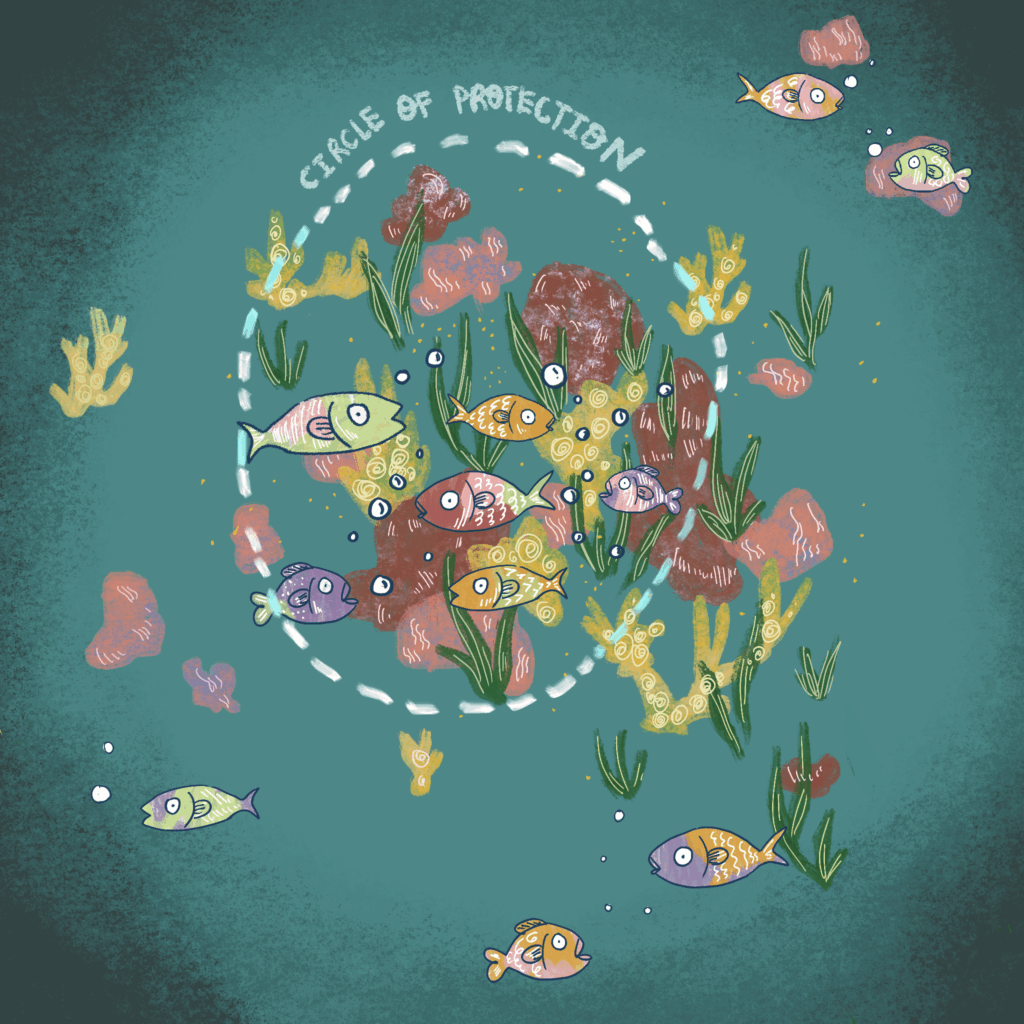
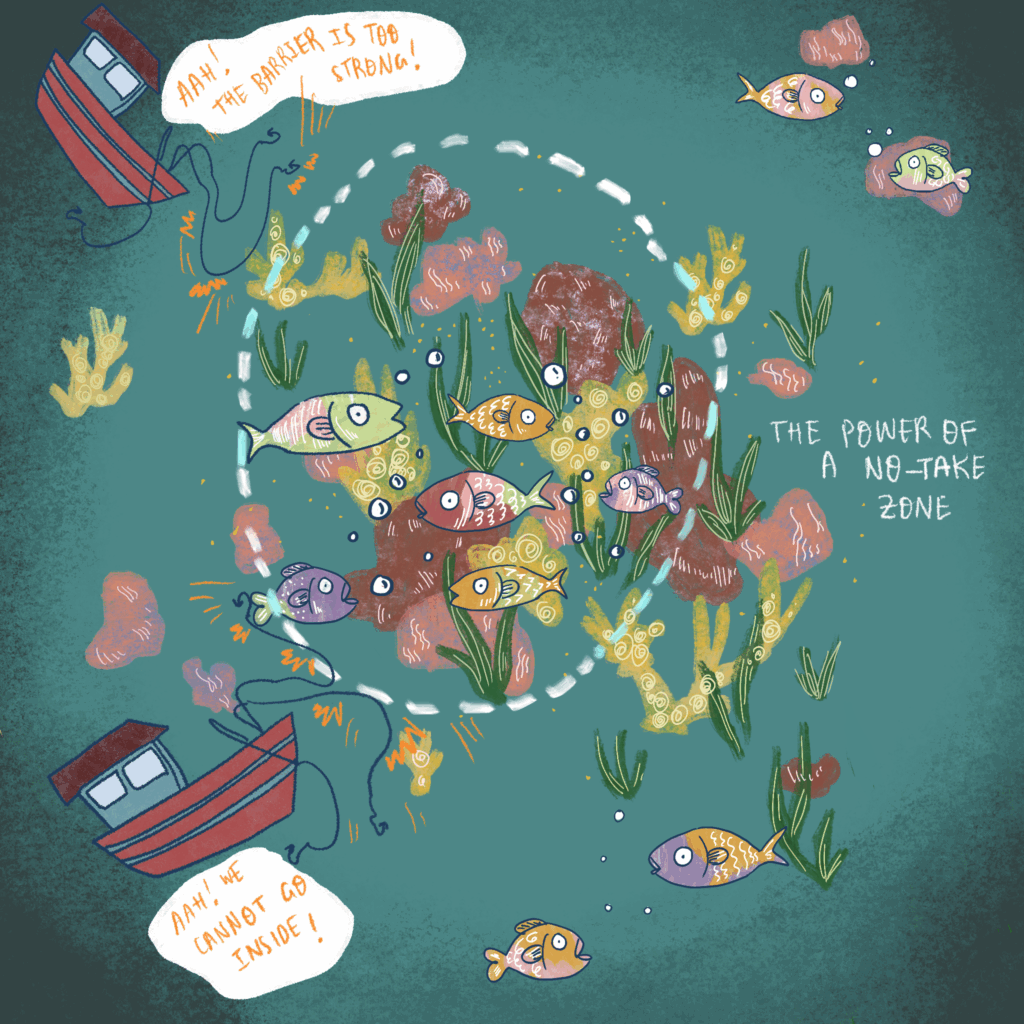
MPAs could have different conservation targets within their area — for example, protecting certain types of fish or habitats or entire ecosystems. They could also have different levels of protection, ranging from complete no-take zones to areas where multiple uses are permitted.
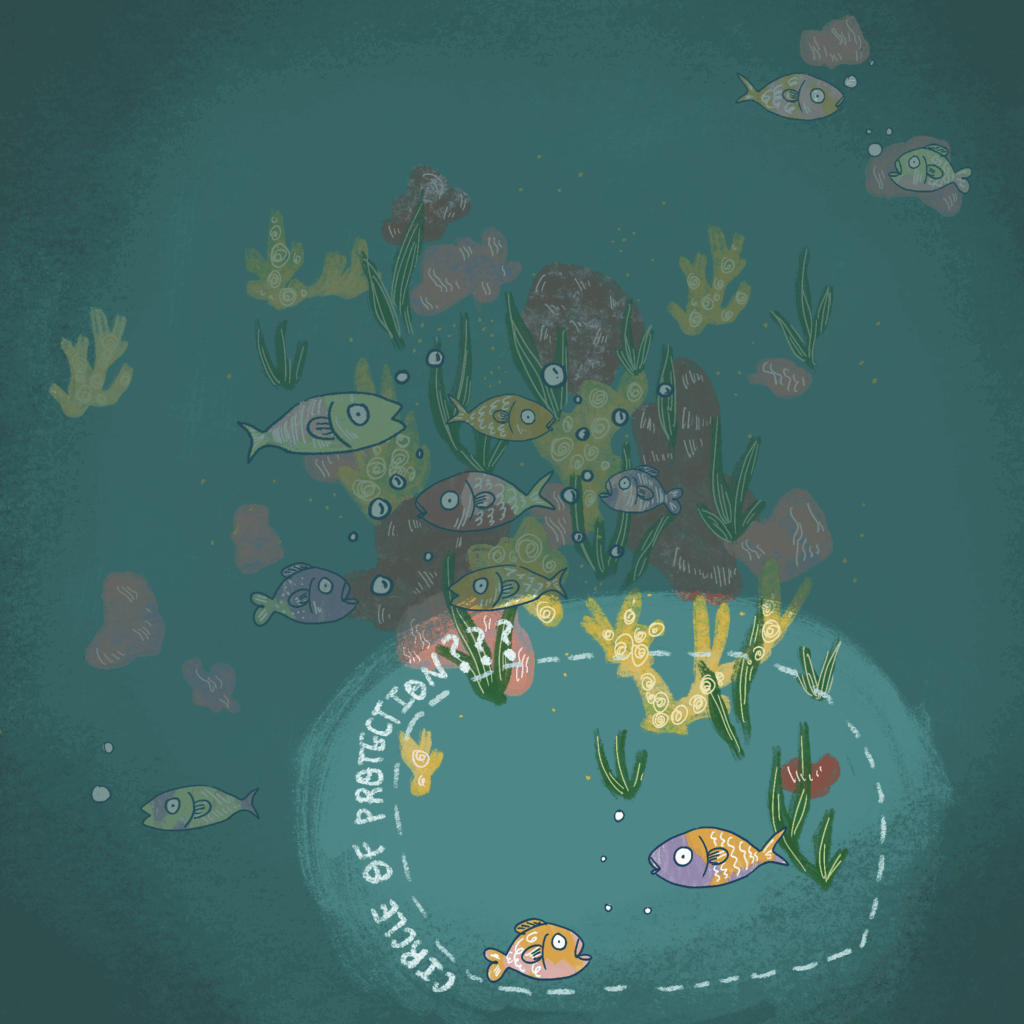
Since 200 countries agreed to protect 30% of the world’s oceans by 2030, the pressure to designate MPAs rapidly has intensified. But researchers and environmental advocates worry that, in the rush to create MPAs, quality is being sacrificed for quantity.
Not all MPAs are created equal. For example, creating a protected area to conserve fish in a place with no fish habitat would not be effective.
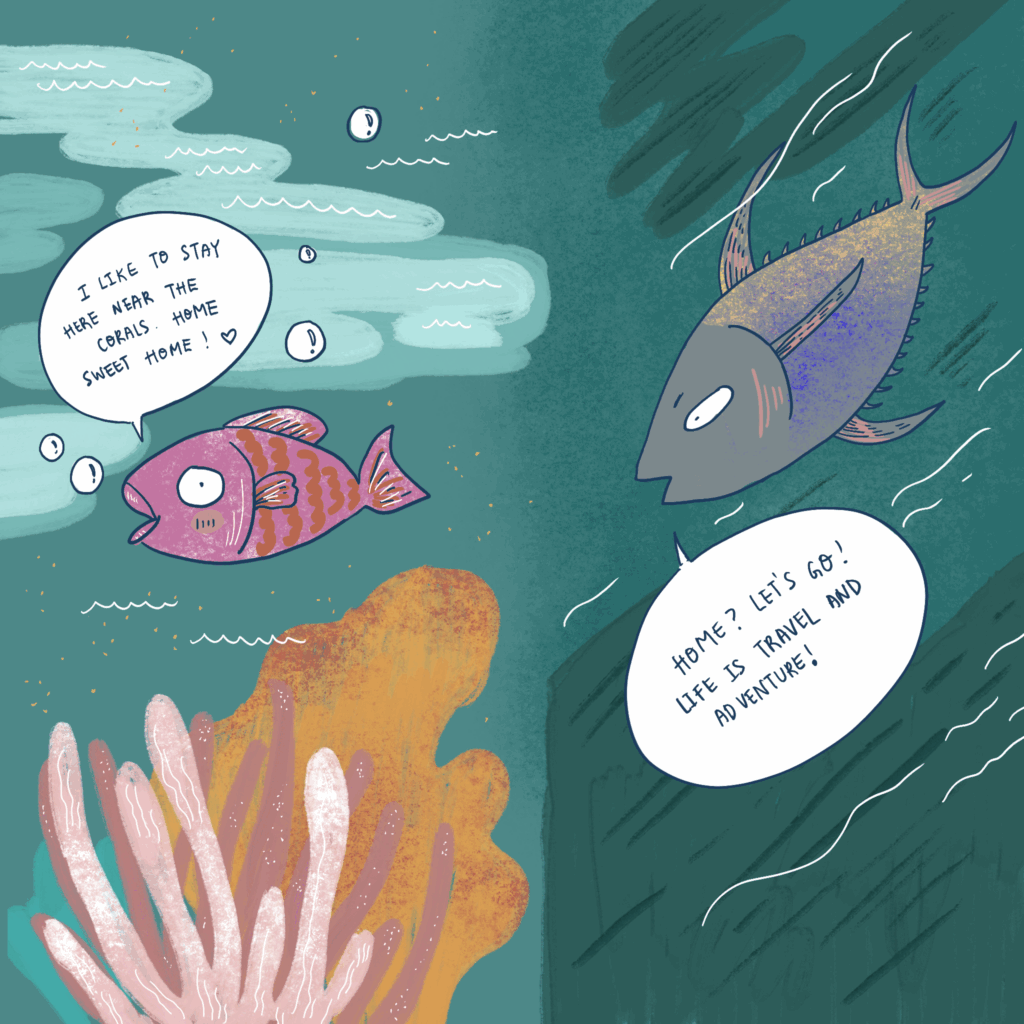
Further, MPAs work better to conserve fish that have a smaller habitat range. Migratory species would benefit less from a small area being protected when they can cross entire ocean basins. Protecting reef fish in coral habitats may work well with smaller protected areas, while migratory tuna or sharks may spend most of their lives outside protected boundaries.
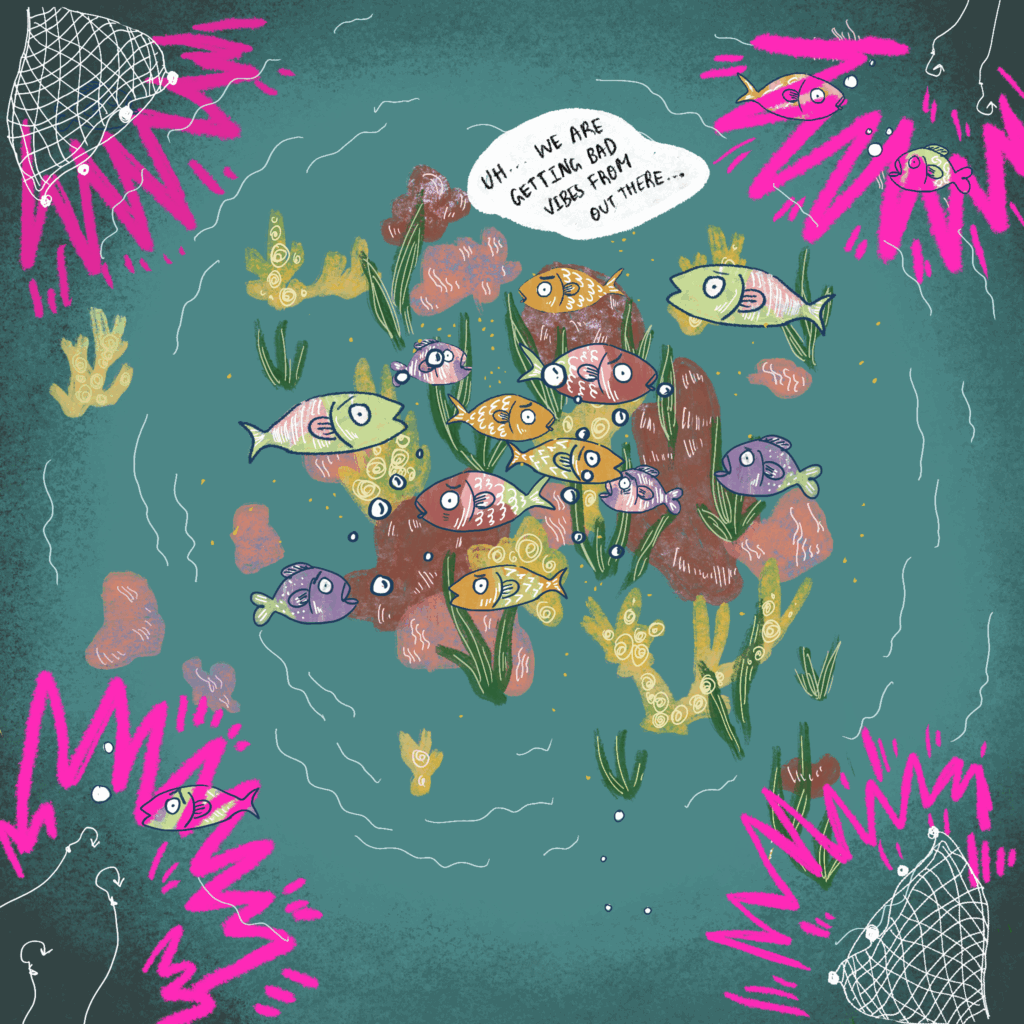
But sometimes MPAs displace fishing effort, concentrating fishing pressure on surrounding areas and causing a net decline in resources.
Habitat degradation outside of MPAs can also negatively impact the broader ecosystem. Sometimes MPAs could even displace traditional coastal communities or forbid them from accessing certain areas.
In addition, an increasing number of MPAs are legally designated but not enforced — these are called “paper parks.”
Given all these limitations, a lot of MPAs receive criticism and inevitably fail to produce any conservation benefits.
Instead of using the global target of 30% MPAs as a static goal to tick off by 2030, governments and NGOs need to use global commitments as momentum to reexamine what we are protecting and how.
MPAs cannot solve everything, and without the fundamentals — such as robust ocean data and science combined, with traditional ecological knowledge — we cannot even begin to design an appropriate MPA.
A strong MPA is not just a line on a map. It is a living system: ecologically grounded, community-informed, and actively enforced.
As for the fish beneath the surface, the line matters only if someone is watching and if it was drawn in the right place to begin with.