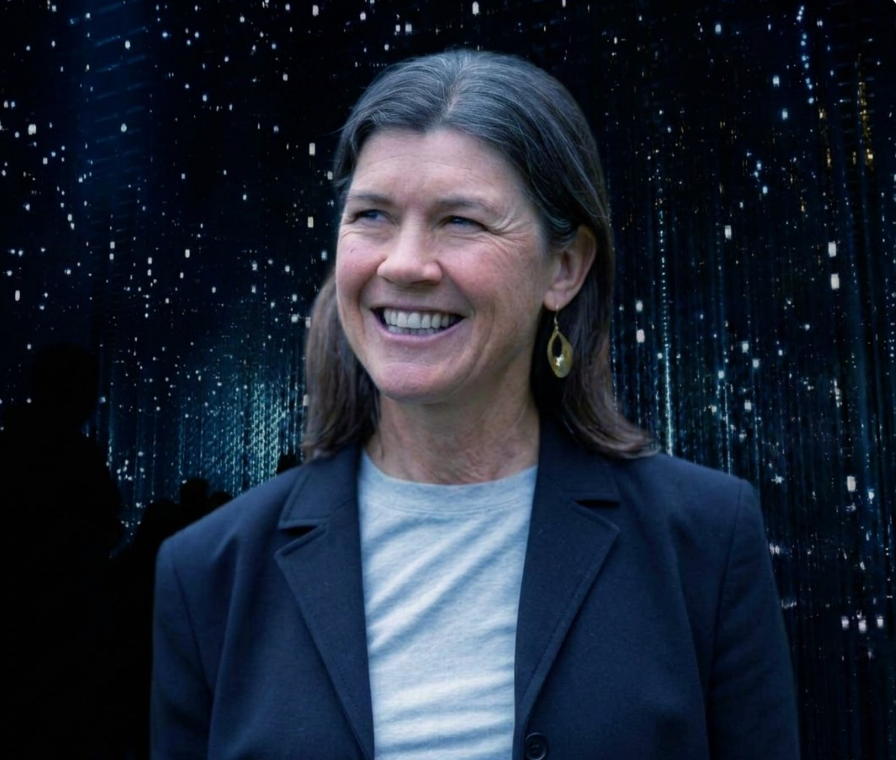
I am an anthropologist, and my passion for anthropology lies in the modest methods the field uses to honor life’s complexity. Anthropologists learn which questions to ask, and how to ask them, by being with people in daily life.
This column works the same way. Its themes will emerge as science and its politics unfold in the often-unnoticed routines of the everyday. I am interested in the tension between what experts promise and how this expertise is reshaped on the ground. I frequently find myself asking whose knowledge counts, and at what cost.
Science is often rooted in the assumption that there is a shared world that we can describe through a common language. Yet science, as it is practiced, is messy and diverse, full of cultural metaphors and slippery concepts whose meanings are never entirely settled.
This column follows the practices of science where they lead: into kitchens and clinics, laboratories and living rooms.
I ask why nutritionists teach healthy habits as an individual choice when feeding has always been a communal act. I wonder what the personification of Mother Nature is doing in a description of hurricanes. I consider how storytelling has shaped the health physics of radiation exposure, and how the single phrase “unhealthy for sensitive groups” structures ideas about who is strong and who is weak and the way we play and breathe.
Situating Science is committed to the arts of noticing, the anthropologist’s timeworn craft of making the familiar strange so we can know and learn and live and dream in different ways. Categories that look neutral — like a habit, a chemical threshold, or a description of weather — are rarely as innocent, or as settled, as they may seem.
This column invites us to think about how problems are framed, what solutions become visible or foreclosed, and who benefits. Through monthly essays, it makes familiar concepts strange, tracing the practices of science as they move through everyday life. Along the way, I hope to show that science is both a way of knowing and a way of imagining a world yet to come.