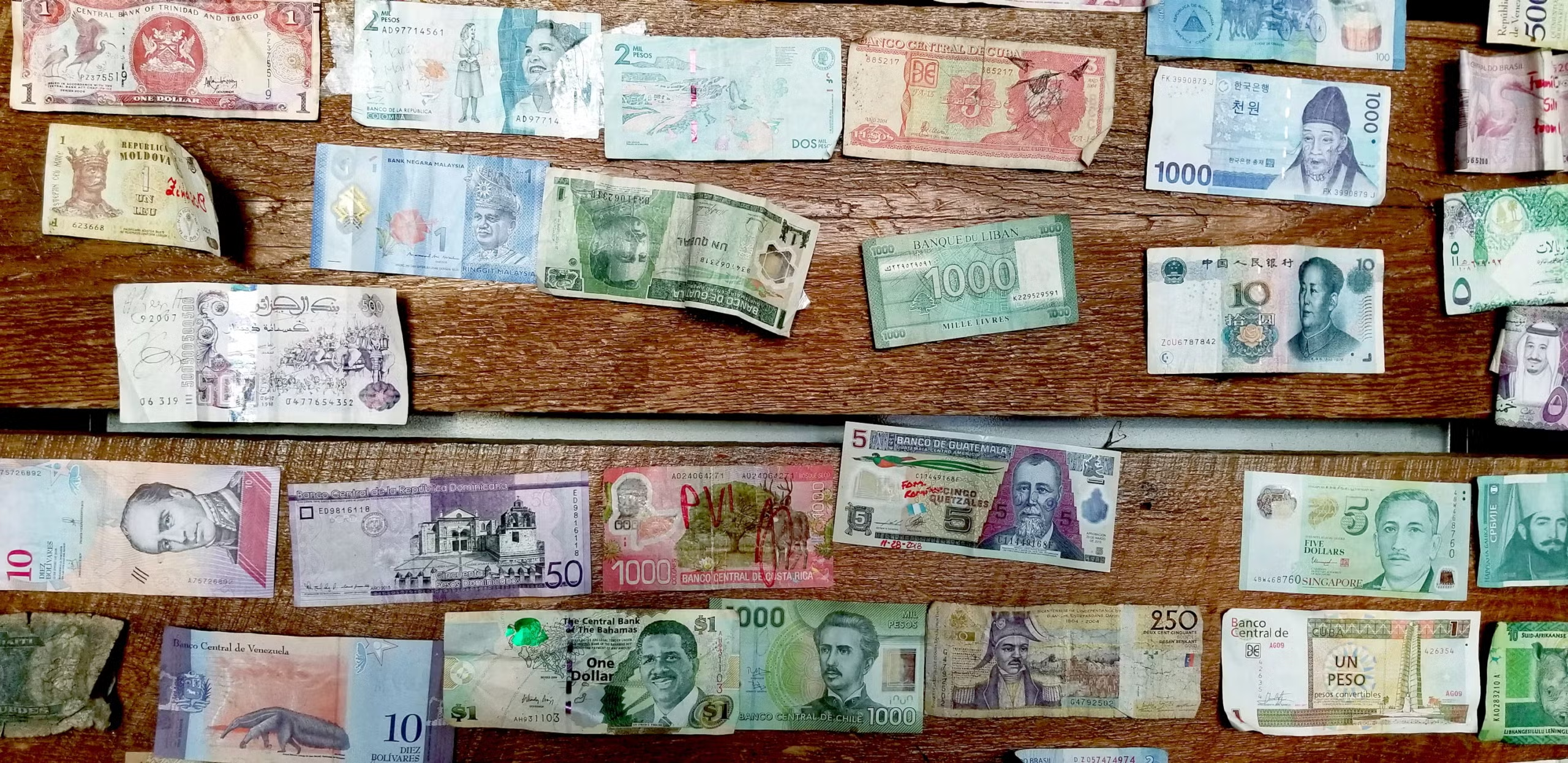
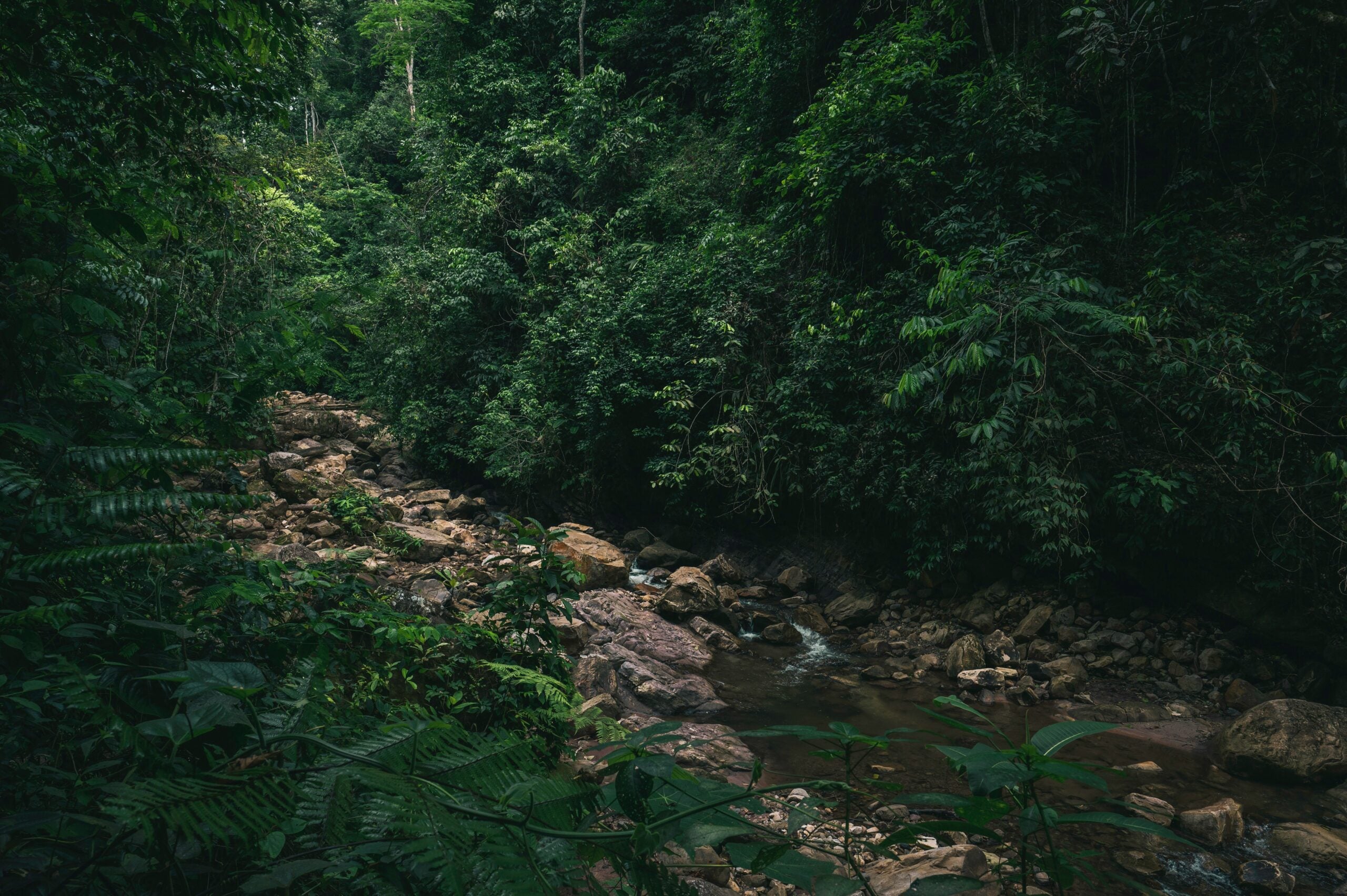
There is a new gold rush deep in remote regions of the Amazon rainforest. Miners are hurrying to profit because volatility in global financial markets and geopolitics has driven the price of gold above $5,000 per ounce as foreign investors seek stability. This demand has sparked a new rush to acquire gold that puts at risk one of our world’s last remaining intact ecosystems.
While global markets drive the rush, local communities bear the consequences.
Policy mechanisms for supporting community resistance to mining are already in place. In fact, many local communities have the agency to manage natural resources in regional conservation areas, though equity challenges still persist. Yet, many communities lack the initial funding, capacity building, and technical expertise required to implement management.
The gold mining industry is notorious for introducing other social impacts ranging from violence to human trafficking, and many communities are rightfully wary.
As a result, advocacy roles have long been filled by local non-governmental organizations funded by international grants or private funding. These grants have largely disappeared in the last year, leaving a funding vacuum that is unlikely to be filled anytime soon.
We need new strategies that empower, as opposed to burden, local communities with strong natural resource governance in remote areas so they may continue defending these forests.
How Does Mining Harm Forests?
The tributaries of the Amazon River have always carried gold particles , which travel from the slopes of the Andes and settle in the sediment of the riverbeds. As rivers change course seasonally, gold is both deposited in new riverbanks and washed to larger rivers.
For decades miners have exploited this dispersed gold by vacuuming up huge quantities of sediment with pumps. They allow the heaviest particles, which include gold, to settle, and dump everything else back in the river. Then, they mix the sediment that’s left with liquid mercury, which forms a solid amalgam with gold. They can heat the amalgam to burn off the mercury, leaving solid gold.
Mining dredges leave destroyed ecosystems in their wake: riverbanks have collapsed, sediment plumes have caused widespread pollution, and vaporized mercury returns to the earth in a form that accumulates in the tissues of fish and people, causing mercury poisoning. The resulting landscapes look like they belong on Mars — not in biodiverse tropical rainforests.
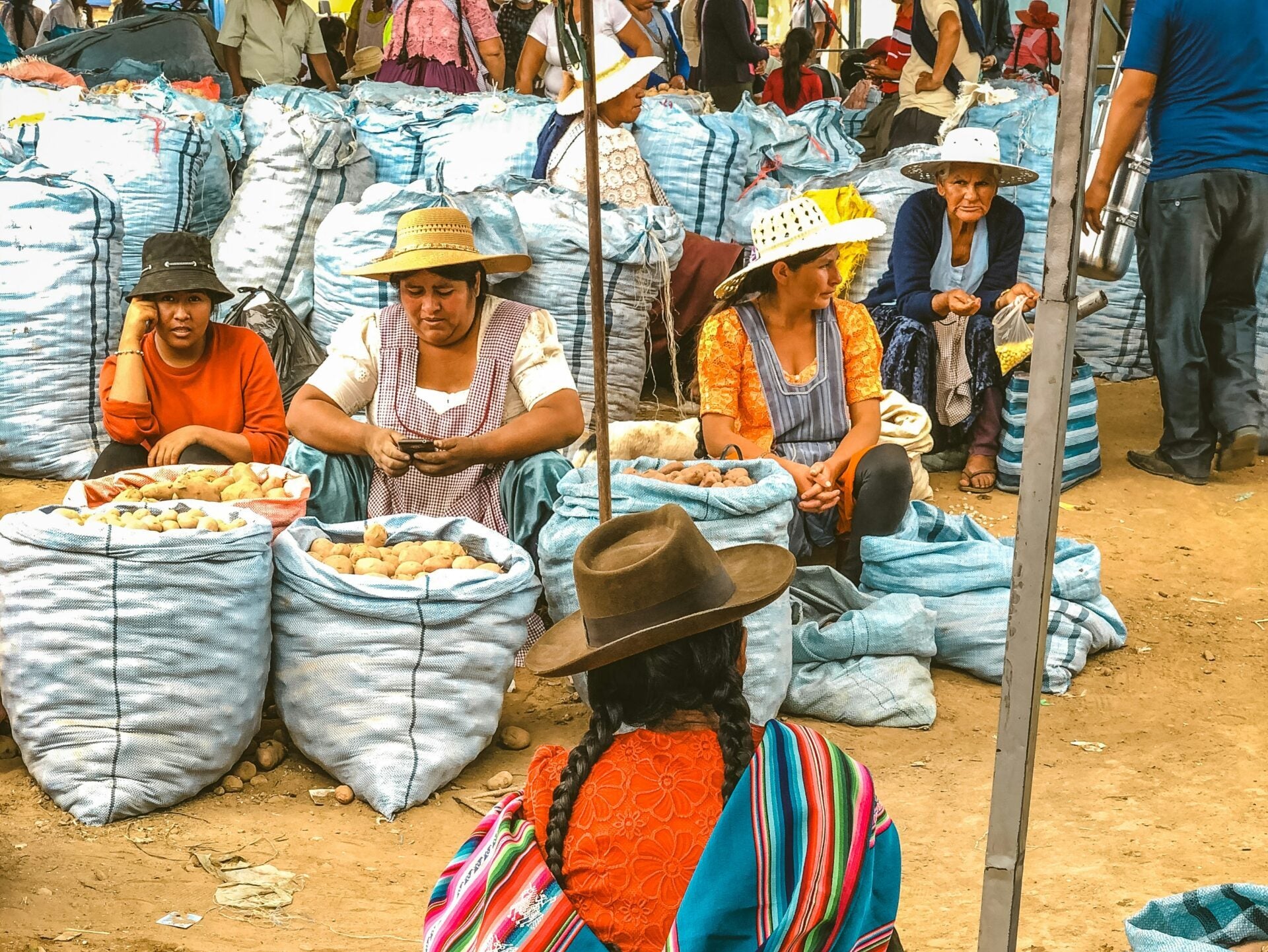
The northeastern Peruvian Amazon, near the city of Iquitos, has largely avoided the scale of devastation from heavy illegal gold mining seen in southern Peru. The northeastern region is a mosaic of protected areas and titled lands of groups like the Maijuna and Kichwa people, whose ancestral lands hold millions of acres of primary rainforest.
When communities own their land and can monitor and manage their own resources, biodiversity becomes an asset.
But gold’s rising price tag has driven an enormous influx of miners seeking to dredge these remote tributaries. Miners are now entering the lands of local Indigenous communities daily. Miners are seeking support for establishing dredges on their rivers and promising lucrative short-term benefits in exchange.
However, the gold mining industry is notorious for introducing other social impacts ranging from violence to human trafficking, and many communities are rightfully wary.
How Can Indigenous Communities Resist Gold Mining?
Rural and Indigenous Amazonian communities need sustainable sources of income that give them the financial freedom to decline miners. Many communities residing in mining areas also call for improved ways to contact the relevant authorities and report threats and invasions.
What do these interventions look like?
First, investing in sustainable income streams that are proposed by people in rural communities in the Amazon. These community-based conservation systems may be more appealing to locals as opposed to externally designed projects that unravel once foreign funding disappears.
Community-based conservation systems use biodiversity and natural resource conservation as a tool to meet community goals, which are often related to earning sustainable income sources. Then, locals can determine what their relationships with institutions like nongovernmental organizations and regional governments may look like, holding the power to create governance structures from the ground up.
When communities own their land and can monitor and manage their own resources, biodiversity becomes an asset rather than a barrier to development. There are many examples across the Amazon of communities earning sustainable income through local conservation efforts, from harvesting of non-timber forest products like nuts, fruits, fibers, and medicinal plants, to community-managed wildlife.
Philanthropists and impact investors can prioritize long-term funding for community-based conservation systems that improve both the earth and the people living there.
For example, products like honey from rearing native stingless bees and aguaje (a palm fruit) can be climbed to avoid deforestation. In this region of Peru, Indigenous communities can apply for wildlife management plans for their vast lands to ensure that harvests of meat are sustainable and legal for sale. Since hunting is a livelihood strategy rooted in traditional culture, hunters are able to earn money for their conservation efforts while ensuring food security for their communities.
Engagement in ecotourism can also be a fruitful opportunity when Indigenous communities retain control over benefits and programming. Many good examples of ecotourist collaboration and partnership include wildlife expeditions or plant walks, where knowledge keepers are able to earn income while sharing their culture. The essential challenge is to ensure that Indigenous communities retain the power in these business relationships.
The Burden of Gold Cannot Rest on Local Communities Alone
The forces driving this gold rush originate far beyond the rainforest. That have roots in global financial markets, geopolitical instability, and consumer demand for safe-haven assets. Protecting intact Amazonian river systems therefore requires aligning global responsibility with local empowerment.
Redirecting capital toward conservation requires more than buying Fairtrade or Fairmined gold. Financial institutions and governments can create vehicles that allow investors to support standing forests and intact rivers directly.
One example is the, REDD+ program, which provides payments for communities and regions that can reduce deforestation from sources like gold mining. These incentives may be constructed for biodiversity conservation, too, when companies or investors finance measurable conservation projects rather than extractive activities.
Communities that have capacity building for long-term financial stability may also create domestic trust funds to support their conservation activities for years to come. These funds function like an endowment for conservation, where communities can invest an initial donation from a corporation or philanthropist and spend annual dividends on community-based conservation initiatives that may also earn them money.
Using these tools, philanthropists and impact investors can prioritize long-term funding for community-based conservation systems that improve both the earth and the people living there.