
The overdose crisis has claimed more than 1.2 million lives since 1998, with over 22.5 million people currently recovering from substance use disorders in the United States.
In Texas alone, opioids were implicated in more than half of the state’s overdose deaths from 2014 to 2024, a statistic that reflects both the drugs’ potent pain-relieving properties and high potential for dependence. The effects of the overdose crisis transcend demographic boundaries, impacting people of all races, socioeconomic backgrounds, and genders.
There is a clear path forward, however. Establishing clear policies that align state legislation with federal harm reduction standards will empower individuals and organizations to better address and mitigate the overdose crisis.
Educational efforts, legal policies, and research programs around controlled substance use are critical to reducing overdose risk and opioid-related fatalities.
Already we have observed these positive changes. Federal support for harm reduction strategies and boots-on-the-ground efforts contributed to a 36% national decrease in reported overdose deaths between 2023 and 2025.
Yet, a new challenge may skew these positive trends. The development and demand for synthetic emerging drugs like fentanyl is increasing and may affect these improvements if state and federal legislation lags in aligning harm reduction strategies.
Even so, policymakers are responding to this crisis. In 2025, policymakers on both sides of the aisle of the House and Senate passed the Halt Fentanyl Now Act (S331), which put fentanyl scheduling and research to the top of the priority list in addressing the opioid epidemic.
Educational efforts, legal policies, and research programs around controlled substance use are critical to reducing overdose risk and opioid-related fatalities.
National and State Provisions for Drug Checking Equipment
Drug Checking Equipment has proved to be an effective tool in reducing overdose deaths because it enables people to determine what is in the substances they are taking. Section 422 of the Controlled Substances Act establishes comprehensive guidelines on substance use regulation, criminalizing the possession and use of paraphernalia like drug testing equipment. Although provisions now allow for syringes in administering medications for opioid use disorder, laws prohibit essential tools for harm reduction, such as fentanyl test strips and other drug testing equipment.
Fentanyl has become increasingly prevalent and is now the leading cause of death among adults aged 18–45. Importantly, fentanyl is showing up in unexpected places. Illicitly manufactured fentanyl can be mixed with drugs such as heroin, cocaine, and methamphetamine, or pressed into counterfeit pills designed to resemble prescription medications, meaning people may be unaware that fentanyl is present in the substances they obtain.
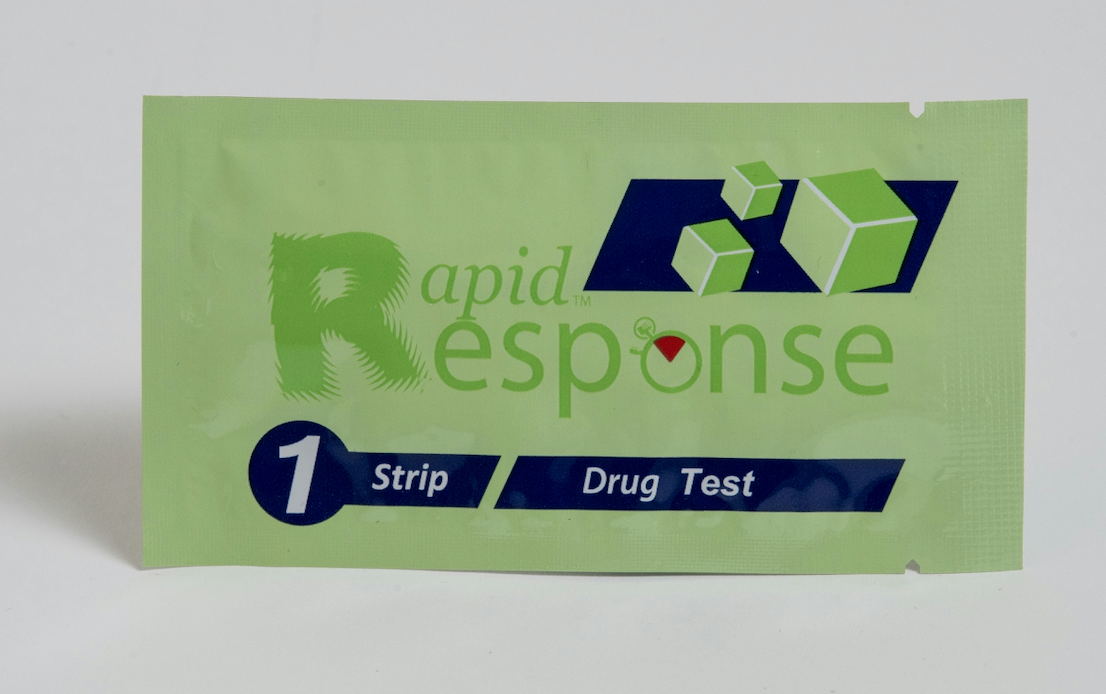
Testing measures like fentanyl testing strips have become essential. Fentanyl test strips allow individuals to identify fentanyl-laced drugs, mitigating fatal overdoses.The strips, which have no abuse potential, are used in a manner similar to chlorine test strips for pool safety, sacrificing a small amount of the substance to check for the presence of fentanyl.
An amendment to legalize drug testing equipment at the federal and state level represents a tangible step toward reducing the tragic and preventable loss of life due to opioid overdoses.
While 47 states, the District of Columbia, and over 20 federal agencies support the use of drug checking equipment for fentanyl and other emerging drugs as a preventive tool, three states — including Texas, Iowa and North Dakota — have criminal penalties for all forms of drug testing equipment.
In these states, some critics of drug testing equipment argue that allowing the equipment will make drugs more accessible and acceptable. Criminalizing drug checking prevents communities from obtaining information about an increasingly unpredictable drug supply — like fentanyl showing up in fake prescriptions of medications for sleep, anxiety, or pain — and can interfere with a public-health surveillance mechanism.
Drug checking programs that integrate surveillance information have drawn on substantial evidence to demonstrate the value of providing timely resources about substances circulating in local drug markets. By sharing how effective drug testing equipment can be for people who use drugs — as well as public health officials, researchers and community partners — such programs can monitor emerging drug threats and support overdose prevention efforts.
Furthermore, studies have shown that access to drug testing equipment and services can influence individuals to adopt safer behaviors. For instance, people might change their intentions to use and the equipment might help them avoid contaminated substances and sources of those substances.
Yet, a significant gap still remains between state and federal harm reduction efforts. Medical authorities such as the Federal Drug Administration and the American Medical Association have endorsed fentanyl testing strips as critical harm reduction tools in preventing opioid poisoning and overdose. Individual states, the House, and the Senate have put forth several efforts between the 118th and 119th Congressional sessions to amend laws that prevent drug testing equipment.
In 2023, two lawmakers from Texas — Senator John Cornyn and Senator Sheila Jackson Lee — introduced the Fentanyl Safe Testing and Overdose Prevention Act (bill S.2569) and Stop Fentanyl Now Act of 2023 (H.R. 4272) to amend the Controlled Substances Act to include exemptions of testing equipment for fentanyl and other emerging drugs. The proposed bills mark a shift in bipartisan support in a state that generally views harm or risk reduction techniques unfavorably.
Ultimately, an amendment to legalize drug testing equipment at the federal and state level represents a tangible step toward reducing the tragic and preventable loss of life due to opioid overdoses. Establishing clear policies that align state legislation with federal harm reduction standards will empower individuals and organizations to better address and mitigate the overdose crisis. It’s time to strip the stigma and put safety first.