On a holiday weekend in August, Brazil’s power grid operator made an emergency effort to avert cascading outages at a time of peak demand. The operator throttled low-cost hydropower, curtailed solar and wind, and ramped up expensive gas plants.
These counterintuitive measures reveal a deeper structural problem. Although Brazil has plenty of centralized power plants, it lacks sufficient transmission infrastructure. This legacy system, put in place in the second half of the 20th century, does more than risk occasional blackouts, which are problematic enough; it wastes available energy, raises delivered energy costs, and undermines the stability of a foundational input for economic growth. Every country depends on reliable energy for food, water, health, transportation, and communication. Brazil is no exception.
Fortunately, there’s a practical technology fix to stabilize outdated energy grids. But unlocking it requires private investment. As someone who has developed more than $2 billion in distributed energy projects across 14 countries, I’ve learned that countries scale energy infrastructure fastest when they engineer bankability —when they create clear conditions to attract investment.
Why distributed energy is appealing
Historically, energy systems relied on a few large sources of generation. Some places use coal-fired generators or nuclear power plants. Brazil gets most of its energy from hydroelectric dams – some thousands of miles away from the factories, hospitals, and homes it serves.
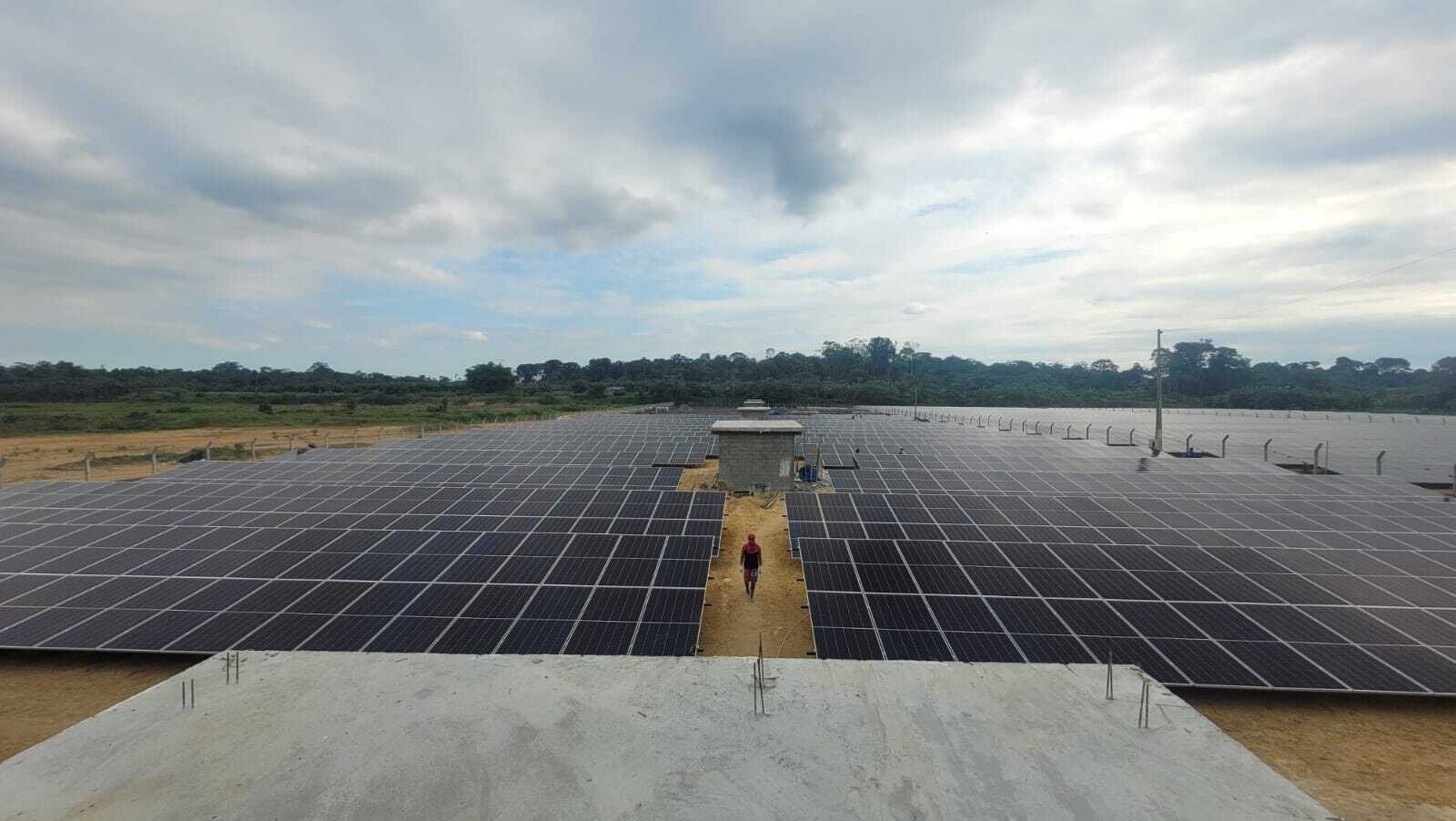
Over the last two decades, however, many countries have moved toward distributed energy systems. These use smaller generators that plug into transmission lines closer to end-users. They operate independently or semi-independently, and they often draw on renewable sources, such as solar and wind.
A key piece of distributed energy infrastructure is battery energy storage systems (BESS). These batteries store energy when supply exceeds demand and release it during peak periods, helping stabilize electrical grids.
While the technology has been around for a while, the cost of BESS has dropped sufficiently to make distributed energy infrastructure affordable and practical. In general, governments support the transition from centralized, often fossil-fueled generation to a distributed infrastructure because it’s less expensive, more resilient, and provides a high degree of autonomy for the operator.
How policymakers can accelerate the energy transition
To accelerate the growth of clean, competitive energy, I offer policymakers — in Brazil, and around the globe — three basic observations.
First, consumer energy costs are driven by investors’ expectations for return. To be sure, developing an energy project also involves paying for wires, plants, and long-term maintenance. But from a developer’s perspective, of all these financial considerations, the most important factor is the rate of return owed to the people who provided the capital. That remuneration has more impact on the ultimate price of electricity than building and operating costs or even the efficiency of the technology itself.
When investors expect lower returns, energy becomes cheaper and more projects clear the bar.
Second, investors’ return expectations fall when uncertainty falls. If the rules of the game are clear and consistent — what services are bought, how performance is measured, how payments are calculated, and what happens if something goes wrong — investors’ perceptions of risk is reduced and capital becomes more available.
Third, the most profitable projects provide electricity where and when it is needed most: physically close to consumers and during peak hours when the grid is under strain. Technologies that sit near customers — especially battery energy storage systems — prevent waste, smooth peaks, and avoid expensive last-mile bottlenecks.
Taken together, these observations point to a simple principle: the most bankable projects are often the ones that most improve the grid. Clear rules reduce capital costs, urgent local needs raise returns, and the resulting spread attracts developers and investors to the very projects that add resilience and reliability.
Abundant, low-cost energy drives growth
In Brazil, creating bankable projects means having clear, national rules for deploying battery energy storage. Local and global investors are more likely to provide substantial institutional financing if legislators codify who can deploy storage, how it can be operated, and how it will be compensated. This clarity would not only address today’s grid instability — stabilizing frequency and voltage during stress hours — but also conserve energy currently wasted through curtailment, with losses estimated at about R$3.2 billion (~$600mm) in 2025 alone.
This isn’t about a more efficient grid, it’s about nation-building: cheap, reliable energy powers growth and competitiveness.
Reinforcing the grid with storage would allow Brazil to leverage its otherwise abundant, cheap power, positioning the country as an attractive hub for data centers and enabling it to capture meaningful upside from the global AI boom.
But in order to make good on Brazil’s energy potential, policymakers need to understand and nurture the conditions an institutional investor needs to justify investment. Bankability is engineered; it does not appear by accident. That lesson is universal: Every country navigating the energy transition wrestles with the same triangle of reliability, affordability, and investment confidence. Those that can harness global financial markets to meet the rapidly-growing demand for energy stand to stabilize not only their power grids but their economic futures.