What will define the coming century for our species? Can the interdisciplinary study of our past – combining the methods and data of the humanities and sciences – tell us what’s in store? And what policies, if wisely implemented, could secure a safe, sustainable, and just future for humanity?
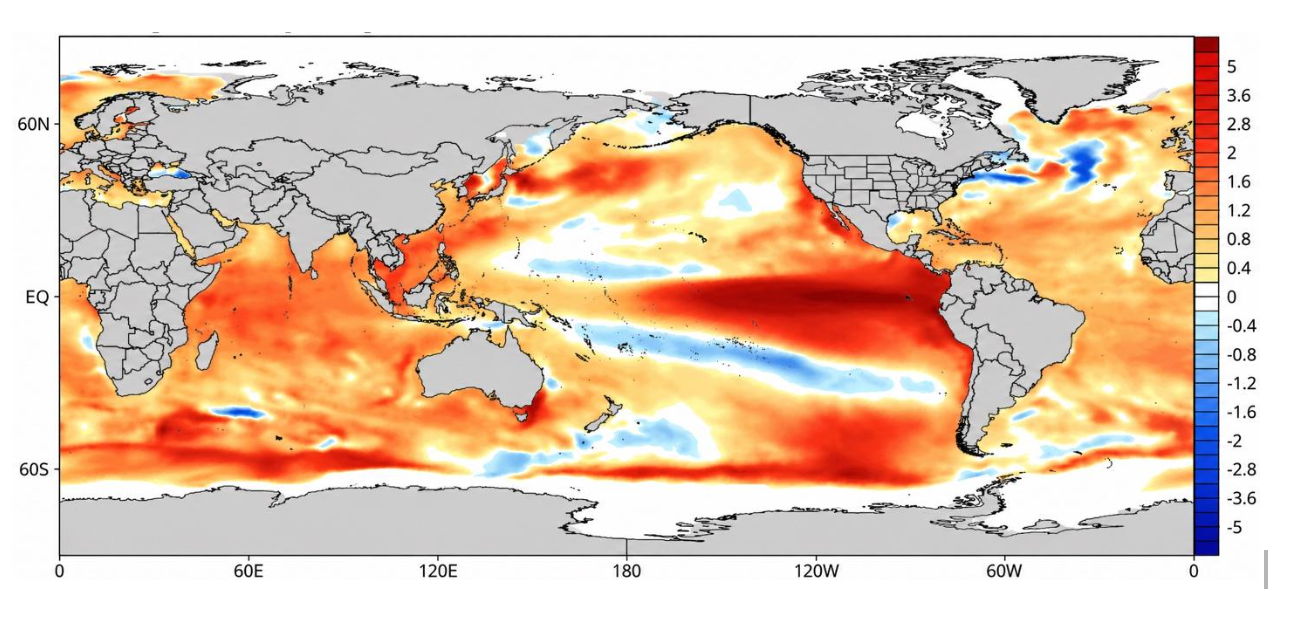
In this column, we’ll try to answer those questions. Together, we’ll explore everything from the prospect of building settlements on other worlds to the threat of runaway artificial superintelligence. We’ll weigh the potential consequences of a climate-altering breakdown of currents in the Atlantic Ocean – and the risks of returning watery samples from the ocean moons of Jupiter or Saturn. We’ll consider whether our atmosphere can – or should – be deliberately modified to cool down global temperatures, and we’ll even reflect on the wisdom of sending messages to other star systems.
Our column will provide a unique perspective on the existential risks and opportunities faced by humanity, or in other words, the possibilities that could either permanently foreclose or radically extend and improve the future of our species. It’s a perspective we’ll gain partly by drawing on interdisciplinary fields like environmental history, paleogenomics, historical climatology, and zooarchaeology: new, rapidly expanding, but still little-known ways of using science to revolutionize our understanding of humanity’s past.
We’re living through a unique time in Earth’s history. Our species has gained the power not only to destroy itself, but also to alter our planet, maybe even other planets, in ways that could reverberate for millions of years. But it’s also gained the ability to, for the first time, protect itself from extinction, to create once-unimaginable wealth and knowledge, to extend and improve lives as never before.
Where will we go from here? In this column, we’ll try to find out.