
Mental, neurological and substance use disorders disproportionately impact people residing in low- and middle-income countries — where over 80% of the world’s 6.7 billion people reside.
Yet in many places — including in Kenya, where we live and work — access to mental and brain health services is severely limited because health budgets rarely allocate enough funds for clinical care or research and innovation to serve people with mental and brain disorders.
We are brain health researchers who have devoted years to understanding how people express, experience, and embody health conditions like dementia. Brain disorders occupy a unique place in health care because experiences are so diverse. For instance, some people with dementia experience gradual cognitive declines that modify their ability to work and feed their families. Others experience progressive physical declines that make it difficult to move, eat, or drink without assistance. And other people have cognitive decline and memory inconsistency that requires routine supervision from loved ones.
Currently, many Kenyan models for identifying, diagnosing, and treating dementia come from Western contexts like the United States and United Kingdom. But these models overlook cultural differences.
It is critical for African scholars to lead research on African patients and to design treatments that are effective for local populations. Changing the current system requires co-creating solutions with communities by putting local expertise, priorities, and community ways of thinking at the center of the research. African genetics, family structures, community organizations, health systems, and governments can contribute to people living well with brain health conditions like dementia.
Challenges for Brain Health in Kenya
First, many aspects of brain health are lost in translation when Kenyan medical systems are based on Western medical systems. For example, scales like the Montreal Cognitive Assessment (MoCA) or Mini Mental State Examination (MMSE) used for dementia screening were developed in high-income, highly literate contexts.
There are items on these scales that don’t make sense for many Kenyans taking them. For instance, some items test schooling or familiarity with ideas that make sense in a Western context rather than cognitive impairment generally. As a result, the scales inadvertently create systematic bias against people with limited formal education or numeracy exposure.
Second, how people finance healthcare differs across contexts and plays a major role in shaping how, when, and where people living with brain disorders receive care. For example, the greater reliance on out-of-pocket costs in the U.S. compared to the UK can significantly influence the type of care people seek and ultimately receive.
Rethinking the model of whose knowledge matters can make a big impact and create real change for people and families.
In Kenya, access to care for conditions such as dementia is limited because there are not enough trained specialists, such as psychiatrists and neurologists, to screen and diagnose these conditions. For many people, treatment costs are prohibitively high.
Third, kinship systems and ways of thinking about aging and elder care differ significantly across contexts. Traditionally, elders in Kenya have long been revered. Families often care for family members with cognitive declines in the home and would not consider an institution for their care. This cultural practice is largely because people maintain larger intergenerational families where caring for elders is expected.
While cultural and systematic differences partly explain why these contexts differ, there is also ample evidence that applying biomedical diagnostic frameworks can serve the interests of pharmaceutical companies in wealthier countries by expanding access to new markets. Yet, in some cases pharmaceutical interventions may not be suitable pathways for care.
Solutions for Brain Health in Kenya
Caregiving is rarely an individual experience; rather, it is a collective one bringing together families, neighborhoods, faith groups, and community networks. People make decisions about care, consent, and support through these relationships and social roles.
Often money is shared, too.
Caring for loved ones is a way in which people build social connections and uphold people’s dignity. These trends in Kenya complicate dominant narratives that equate dementia primarily with loss and dependency, revealing instead locally grounded practices of care that preserve meaning and moral worth despite limited formal services.
Co-designing diagnostic tools and interventions with community stakeholders increases the likelihood that they will make sense to users, foster trust, and last well beyond the completion of projects.
Kenyan community care networks provide a good example of how culture can uplift communities and protect vulnerable people, such as those with cognitive decline. These solutions not only center families but also community networks. Care networks shape how dementia is understood in families and addressed in communities, promoting a strong moral obligation for people to recognize the dignity of people with dementia. The power of community care networks holds true despite obstacles like poverty, stigma, or limited support or guidance from hospitals or the state.
When we talk about decolonizing health, or decolonizing the brain, we mean moving beyond merely accepting Western models of care. Instead, creating care networks within our own moral and communal frameworks makes more sense for Kenyan families so that aging, memory, and care can be revered rather than diminished. African epistemologies of aging are therefore valuable sources of insight for dementia research beyond Kenya and Africa generally. Indeed, our ways of caring for dementia may be good models for Western countries to consider.
The Living Labs Approach
How do we amplify the voices of patients, families and communities? At the Brain and Mind Institute at The Aga Khan University, we created the Living Labs to be dynamic, collaborative hubs where community members, caregivers, practitioners, policymakers, and researchers work together to define problems, design interventions, and refine solutions.
Co-designing diagnostic tools and interventions with community stakeholders increases the likelihood that they will make sense to users, foster trust, and last well beyond the completion of projects.
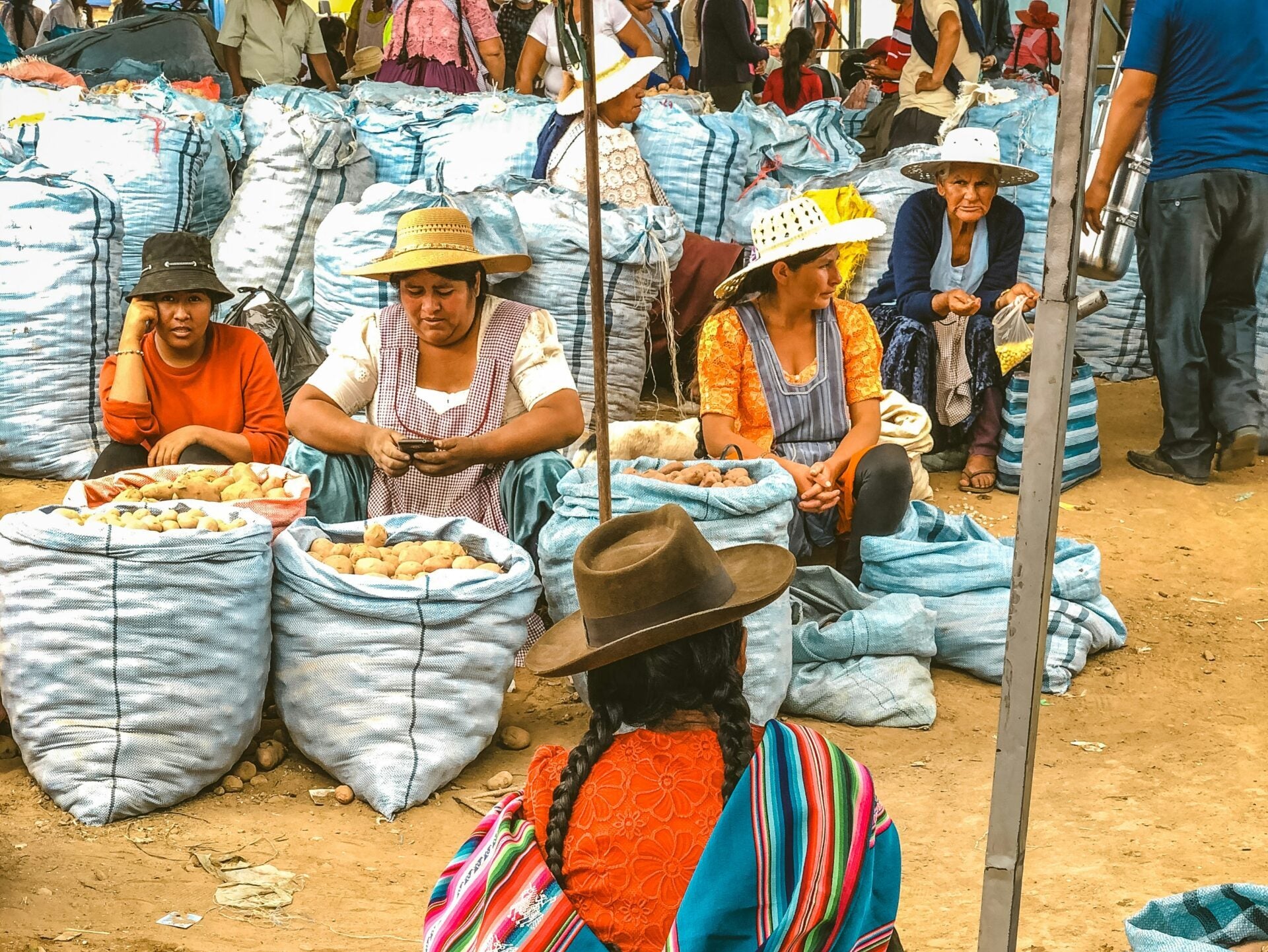
Part of the longevity of Living Labs is that they don’t just work in clinics. We operate in everyday environments such as homes, clinics, schools, markets, or community spaces. Working in these spaces makes Living Lab interventions more feasible, acceptable, and scalable than interventions developed in controlled settings like clinics and hospitals.
Living Labs enable us to reimagine power dynamics by grounding knowledge and solutions in local systems. Inviting community members to participate in training, workshops, and educational resource development fosters a climate of innovative problem-solving and empowerment and builds trust in ongoing research initiatives.
For instance, we found training community health promoters (CHPs) in Kilifi County to serve as mental and brain health ambassadors, while supporting community screening of mental and brain health disorders further amplifies the effects of Living Labs. Training and capacity developing CHPs and other local stakeholders such as traditional healers and faith healers can even shift how knowledge is created and implemented for screening, diagnosis and management, and care of people with mental and brain health conditions.
Rethinking the model of whose knowledge matters can make a big impact and create real change for people and families.