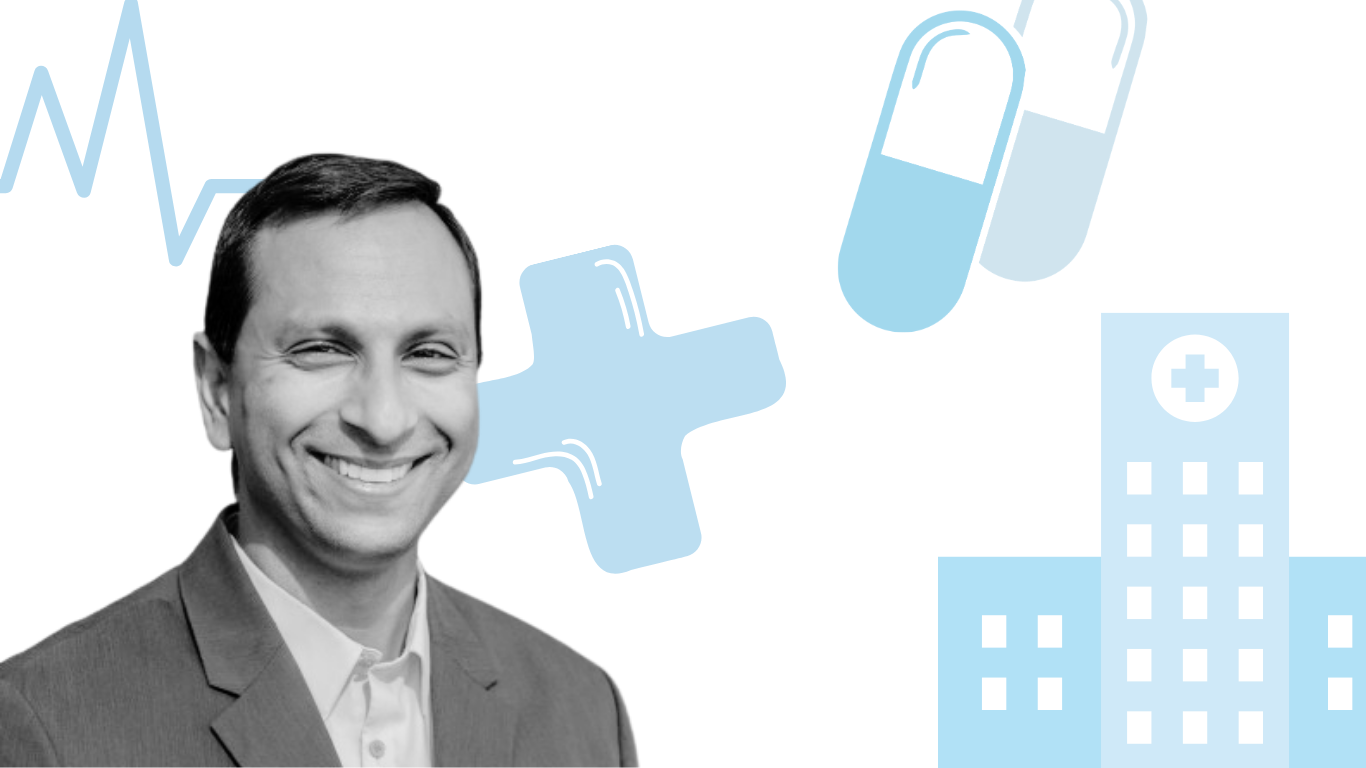
As a primary care physician and an epidemiologist, I live in two worlds.
In one, I sit with patients in a small exam room, listening to the stories of their lives. I hear about the grandmother who can’t afford her insulin, the construction worker whose back pain is getting worse but who can’t take time off for physical therapy, the single mother who lost her Medicaid coverage because of a paperwork error and now has a persistent cough she can’t get checked out.
In my other world, I sit with data. I build statistical models and run simulations on large, anonymized datasets, searching for patterns and causal links. I read systematic reviews and randomized controlled trials, looking for evidence of what works, for whom, and at what cost. In this abstracted world, the individual stories become data points, and the messy realities of human life are abstracted into variables and confidence intervals.
I try to keep these two worlds in conversation, to let the stories from the clinic inform the questions I ask of the data, and to let the findings from the data guide the care I provide in the clinic. But lately, I’ve felt a growing chasm between them–a clinical divide.
The elegant logic of an evidence-based guideline seems to shatter against the brute force of a prior authorization denial. The statistical power of a new therapy feels meaningless to a patient who can’t afford the copay. The health system I see in the peer-reviewed literature — a system striving for value, for equity, for patient-centeredness — feels increasingly disconnected from the one my patients experience every day.
What happens when the hospital becomes the insurer? When the financial incentive is not to treat a threatening condition, but to avoid expensive care? How do we ensure patient safety in an era of algorithmic medicine and AI-driven triage? And what is the future of primary care when the business of medicine seems to be swallowing the practice of it?
In this monthly column, The Clinical Divide, I will explore these questions from both sides of the chasm. I’ll use the tools of an epidemiologist to dissect the evidence, but I’ll start from the stories of our patients.
My goal is not to provide easy answers, but to ask good questions, challenge our assumptions, and map the terrain where the science of medicine intersects with the reality of our health system. I hope you’ll join me in the inquiry.