In 2013, the National Research Council and the Institute of Medicine confirmed that Americans experience shorter lives and poorer health than people in other wealthy countries. In the last decade, the downward trend has only continued; even high-income Americans with health insurance and access to good food are worse off than their international counterparts. Today, the United States’ status as the sickest wealthy country is part of what’s driving the Make America Healthy Again movement.
Fortunately, policymakers and hospitals already have an excellent resource to improve our condition. Nursing has long been a marginalized profession and dismissed as an unserious subject, but it’s one of our best bets to crawl ourselves out of the mess we’re in.
Crucially, nursing points to a way to make healthcare less specialized and more comprehensive. As scholars of nursing, science, and public health, we have spent decades thinking about how care would work better for people. One thing we agree on is that creating a healthier America will require healthcare to move outside the hospital and into the community. For example, many aging and critically ill Americans would benefit from clinicians coming into their homes to provide care. Home visits save patients precious time, energy, and money so they can focus on getting well. But community-based healthcare is also important to all of us as our social networks shrink.
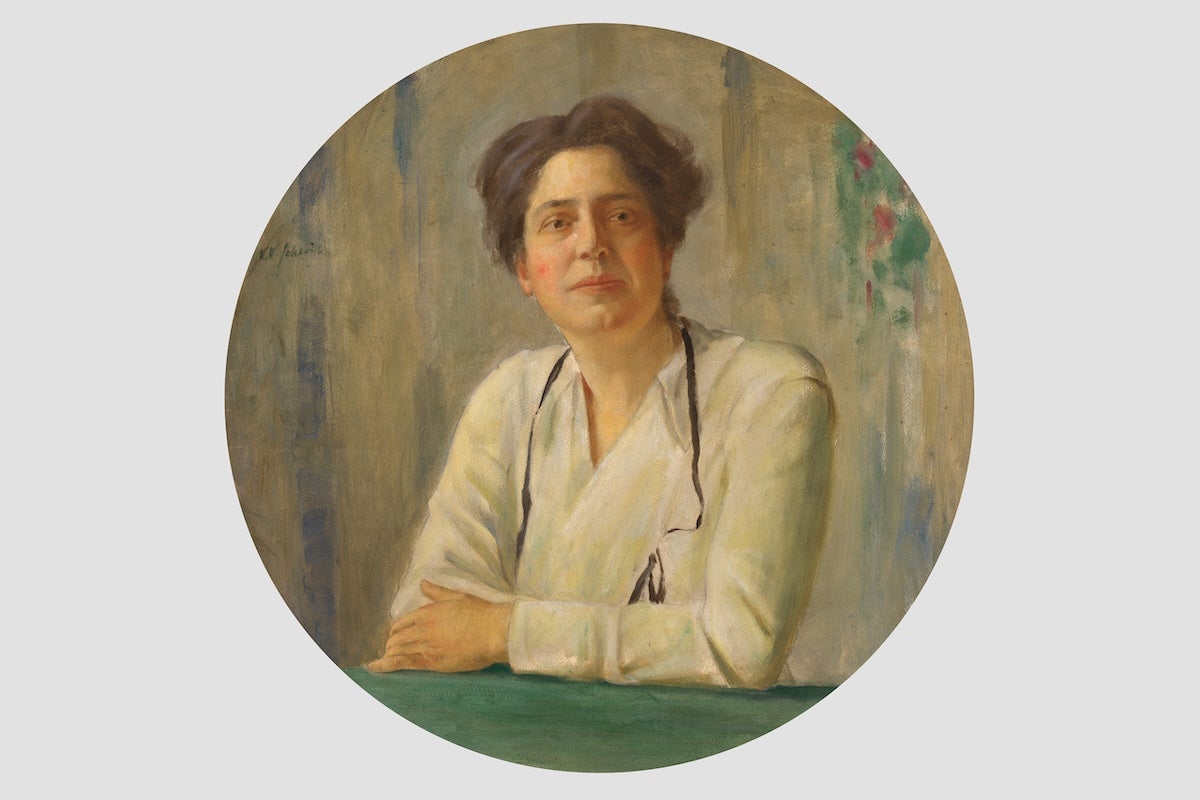
The idea that home is where health begins harkens back to the earliest days of public health nursing in the United States. In 1893, a nurse named Lillian Wald founded a settlement house – a sort of live-in community center popular at the turn of the century – in the heart of the tenement wards in New York City’s Lower East Side. From her house on Henry Street, Wald ran the Visiting Nurse Service. Her nurses would fan out and visit families in their homes, providing care while teaching “healthful living.”
Wald’s nurses birthed babies and bandaged wounds, but they also taught mothers how to bathe their children, explained proper nutrition, and preached the importance of children’s play and proper education. The “ultimate aim” of the public health nurse, as explained in a New York Times Magazine article from 1919, was “the health of the community rather than that of the individual.”
Even during the most infectious periods of the COVID-19 pandemic, many nurses went into people’s homes to vaccinate the vulnerable. As an essential source of public health, nurses have long spearheaded vaccination and care well before people visited hospitals. At the same time, nurses often would go into people’s houses to make sure they were safe for mothers, the elderly and ill, and children. They’d conduct family interviews to gather data and ensure that the most vulnerable in our society were well cared for, as well as given a voice in health research.
Many Americans don’t realize that nurse-led interventions for patients are often better or comparable to a physician.
Currently, many hospitals push against home visits not only because of security reasons, but also because they perceive the entire exercise as economically infeasible. Yet, since nurses have been doing home visits for centuries, hospitals could draw on nurses’ collective wisdom and experience on how to protect everyone’s safety.
As for the financial concerns, hospitals might consider whether home visits would save money in the long term by keeping emergency room visits down. More subtly, hospitals may also see cost savings in elevating the value of the everyday care work nurses often perform.
To be sure, cleaning bedpans, making beds, and setting lines are valuable in themselves – as anyone who’s ever experienced time in a hospital knows, bedside work can be transformational in healthcare settings. But anthropologists also identify the importance of primary care providers, including nurses, in promoting health and preventing disease before a clinical issue arises. And if a person does become ill, someone who knows the patient holistically can be a critical bridge to a specialist.
Unfortunately, too many Americans today experience healthcare only at the hands of a doctor who’s been trained to be the world’s expert on a singular organ, a minute stitch, a specific treatment. While some outstanding doctors do much more—including some of our family members—the system of medicine is built to care for people in sterile clinics away from where most of health is instituted and embodied.
To their credit, nurses have been visiting people’s homes since the inception of nursing. They have even built homes, realizing that living in a safe, warm, and reliable home could be the most impactful health intervention of them all.
Transforming the Perception and Authority of Nursing
In order to make good on their potential to transform the health system, nurses require more respect and fewer structural limitations. Many Americans don’t realize that nurse-led interventions for patients are often better or comparable to a physician. In primary care, nurses provide preventive services and health education that generate similar or better health outcomes than those achieved by doctors across various patient conditions. Nurse-led primary care often results in slightly fewer deaths among certain patient groups than doctor-led care. These outcomes are partially thanks to the hands-on training nurses receive throughout their careers and to the amount of time nurses are able to provide for their patients.
However, currently the state limits the power of the Nurse Practitioner, even as their training is undeniably similar to that of a Family Medical Doctor. The American Medical Association opposes legislation that would allow nurses to work to the full extent of their licenses. This imposed ceiling enables doctors to inflate their salaries and retain the authority within the medical profession. Instead, we might consider providing space for more authority for nurse practitioners to cultivate longstanding relationships with patients in community-based settings that might serve as brokers between preventative and community care and the more serious specialty care.
In addition, behavioral research that focuses on improving the health of communities may soon be unfunded. The National Institute of Nursing Research, which provided millions in research dollars on patient health outcomes, is at risk of being consolidated and subsumed into a larger institute at NIH. If this move happens, nurses will no longer have access to research funds, further shrinking their academic and professional authority.
At the same time, the American Nursing Association finds itself at a disadvantage. Although the field’s vast professional organizing speaks for the nation’s 4 million registered nurses, the ANA wields only modest legislative influence both because of funding and also because nurses are less likely to speak to representatives, while medical doctors often lobby lawmakers.
Many Americans don’t realize that nurse-led interventions for patients are often better or comparable to a physician.
Shifting power into the hands of nurses stands to benefit all of us, improving Americans’ access to and quality of care. What might this power do? Imagine if every YMCA was bolstered by a Nurse Practitioner-led community health clinic. This clinic could be sliding scale, supported by fees to the YMCA and community insurance. (Government support would be ideal, but in this climate, that’s an uncertain expectation.) At the YMCA, community members could leave their children with a minder, see a healthcare provider, and engage with friends in an exercise class in only a couple hours. What’s more, they could go anytime in the day or evening, depending on a family or individual’s needs.
Imagining and acting on solutions such as these, which involve thinking about healthcare as an integrated part of a community, are critical for creating a healthier America. As an initial step, hospitals, legislators, and the public can embrace a more expansive, accurate perception of nursing – not as a profession subservient to powerful institutions, but as a strategic tool to add vigor and years to our lives.