In the U.S. we can’t seem to agree on what to prioritize on our plates. Should it be bread, grains, and cereals? Vegetables? Or protein, dairy, and healthy fats?
These critical questions of what counts as “real” or “good” food were put center stage when the Trump administration and Health and Human Services Secretary Robert F. Kennedy, Jr. released a New Food Pyramid in January 2026. The inverted pyramid and its state-of-the-art website, realfood.gov, have literally flipped the dietary advice Americans have received for more than 30 years.
The 1992 pyramid was carefully developed based on recommendations backed by nutritional research conducted across the globe by the World Health Organization (WHO) and the Food and Agriculture Organization (FAO) of the United Nations.
The recommendations were guided by the desire to reduce obesity, prevent chronic disease, and ensure people had the right balance of macro and micro nutrients. Researchers needed to balance those dietary recommendations with affordability and create a tool that was as easy as possible to understand.
The difficulty of finding the right balance is why the pyramid was updated in 2005 to MyPyramid, and a radically different approach was used for MyPlate in 2011. Now we have the New Food Pyramid in 2026.
Amid debates about nutrition science, it becomes clear that social and cultural ideas about real food — rather than cost, practical concerns, or what families actually prepare in their homes — are at the core of this radical shift in dietary advice.
As an anthropologist, I have spent two decades learning how people think about food, consume certain food products, and use food in their everyday lives. What has come up in my research and teaching again and again is the debate about what counts as real food.
More specifically, what counts as a vegetable and what counts as a protein? While this question may seem like one small, possibly irrelevant sticking point in the broader debates about what we eat, paying attention to disagreements about vegetables and proteins tells us a lot. Understanding why people have different perceptions might help us better communicate with one another in debates around healthy food.
What Makes Food Real?
People don’t exclusively interpret nutrition science based on things like USDA food pyramids and plates. Rather, a whole host of popular media tells us that our food system is broken and that we need to eat real food.
In the wildly popular book “The Omnivore’s Dilemma,” journalist Michael Pollan sought to answer the question, “What should I eat?” He casts this question as the omnivore’s dilemma. His answer is “real food.”
Pollan asserted that culture has guided us in how we have responded to this question. He also claimed that in the last century the system of trust in our cultural knowledge has broken down. Pollan asked: Where does our food come from? What is in the processed foods that we eat?
Pollan was writing at a time when the American public was feasting on a variety of books, shows, and movies that exposed how bad our diets are. From Eric Schlosser’s “Fast Food Nation” 2001 book and 2006 documentary to Morgan Spurlock’s 2004 “Super Size Me” and Pollan and Schlosser’s 2009 “Food, Inc.,” the public was jolted awake to the problems with our food system, particularly those rooted in the fast-food industry as they related to rising rates of obesity.
Critically, these books and films also exposed our global industrial agriculture system, the rise of processed foods in our diets, and the ways in which the political influence of major food corporations shape our food system. These authors shunned not only fast food, but also microwave dinners and meals that were assembled from boxes and cans.
With a deeply moralizing tone, their works underscored cooking with natural ingredients in their most raw and unaltered state as the best way to eat real food.
However, the varying responses to these messages by different groups led to some really problematic outcomes. The original works showed how deeply entrenched structures that built our food system are, while at the same time they failed to advocate strongly for structural solutions. Instead, many activists proposed individual-level solutions that framed behavioral changes as a choice that is the responsibility of the consumer.
Whether good was about taste, nutrients, quality, or something else was never made explicit. The implication was that we all share some common idea of what good food is. That assumption was wrong.
Campaigns to reform individuals’ eating habits also took place around the 2008 financial crisis, when food prices skyrocketed and families faced new forms of economic hardship. Activists’ approaches overlooked fundamental issues related to poverty and food costs. The public chastised those who purchased cheaper foods as irresponsible instead of looking at structural issues that led to the price dynamics of processed and convenience foods.
To be clear, processed food is the cheapest option in our system. Innovations in processing — from the use of preservatives and stabilizers, to massively integrated bulk processing — have consistently driven the prices of these foods down over time.
Why Don’t Some People Think Salsa Is a Vegetable?
I teach an anthropology course at Princeton University called Food, Culture and Society. Last fall I taught a segment on a recent TikTok scandal where a white nutritionist went on a rant about how salsa is not a serving of vegetables. She equated salsa with ketchup and berated people for counting salsa as part of their daily servings of fruits and vegetables.
I also showed several nutritionists, many identifying as Latina, who pushed back because the salsas eaten in many Latino homes were made from fresh tomatoes, chiles, onions, herbs, and spices. If salsa was not a serving of vegetables, they asked, what was it?
My students picked up on the racialized differences in the ways that nutritionists understood what salsa was. One student pointed out that the white nutritionist may have considered salsa from a jar, which might have preservatives and other stuff in it. However, she may not realize that some families make salsa and other sauces from scratch.
This example identifies how what is considered nutrition science can provide contradictory advice based on a lack of general understanding of cultural practices of food preparation and consumption; this shifting or competing advice can create public mistrust.
When Nutritional Advice Stereotypes and Misses the Mark
Public mistrust can also be sowed in social justice missions that are well intended but miss the mark.
Through more than a decade of research on the food justice movement in South Central Los Angeles, I have watched groups of well-meaning food justice activists create interventions that they hope will make South Central residents eat a healthier diet.
For the most part these activists have not succeeded, in part because the nutrition and dietary advice they draw on are not locally relevant. Another reason is the complex nature of dietary advice, especially when it moves across racial or other demographic divides where there is already mistrust.
Many of the food justice organizations I worked with hosted cooking demonstrations or healthy cooking workshops to community members. I observed how the team of food justice activists conceptualized, planned, and executed the cooking demo. Often, the conversation began with the assumption that South Central families were only eating fast food or junk food.
Activists further assumed that if families cooked, they were cooking the unhealthy version of the foods the activists stereotyped as their culturally appropriate foods. That might mean assuming that Black families are eating fried chicken, buttery mashed potatoes, and biscuits smothered in gravy. For a Latino family that often meant imagining they were eating tacos made from packaged tortillas pan fried in seed oils, filled with fatty ground beef, cheese, sour cream, guacamole, and salsa.
Many cooking demos were designed to teach South Central families how to make these stereotyped meals into healthier versions. One demo, for example, taught families how to make baked chicken and a raw kale salad as a substitute for fried chicken and collard greens. Making this swap was based on particular ideas about what makes food healthy and what makes it good. Whether good was about taste, nutrients, quality, or something else was never made explicit. The implication was that we all share some common idea of what good food is. That assumption was wrong.
None of the people who designed this intervention were trained as nutritionists. Yet, activists came up with these meals using lay interpretations of nutrition science, social media stereotypes, and, importantly, their own social and cultural ideals of what makes food healthy.
The Real Cost of So-Called Real Food
Last fall, I asked students in that same Princeton food class to assemble a cheap, healthy meal by purchasing things at stores near campus. The students who created the lowest cost, most nutritious meal would receive gift cards to some local restaurants. The competition was stiff, so I asked the class to help me judge.
This exercise fell in November 2025, just as 40 million Americans who rely on SNAP/food stamps lost their benefits overnight due to the ongoing government shutdown. Students were asked to spend $2.84 per meal, the same amount SNAP users can spend on the average meal.
Leila created a lentil noodle dish for $2.85. Ori and Ivo made a sweet potato and black bean-based power bowl for $4.44. Cole put together migas for $4.37. Kate and Camila made Japanese curry for $1.44 or $3.53 with added fruit and yogurt. Angie and Kendall made two tacos with meat for $3.89 or bean and cheese tacos for $1.52.
Yet, while the original food pyramid was designed to take household economics and costs into consideration, the New Food Pyramid is flipped upside down — not only in terms of what foods it encourages but also how much those foods cost.
The winners ended up being Leila, Cole, and Ori and Ivo. Yet, I was fascinated by the debate over Angie and Kendall’s tacos. They had put together the tacos by walking far from campus to La Lupita Grocery. Both types of tacos had used salsa as the vegetable component.
When debating how healthy the tacos were, one student said, “Salsa is not really a vegetable.” Another said “Beans aren’t really protein.” Someone else asserted that those tacos weren’t really a meal, but instead more like a snack.
These were the same students who had critically engaged with the TikTok salsa controversy. Yet, when it came down to it, they shared particular kinds of social and cultural ideals about what constituted real vegetables and real protein.
Calling for High Cost Foods During an Economic Crisis
A bit like déjà vu, the federal government’s new Dietary Guidelines for Americans has been rolled out amid yet another economic crisis. Yet, while the original food pyramid was designed to take household economics and costs into consideration, the New Food Pyramid is flipped upside down — not only in terms of what foods it encourages but also how much those foods cost.
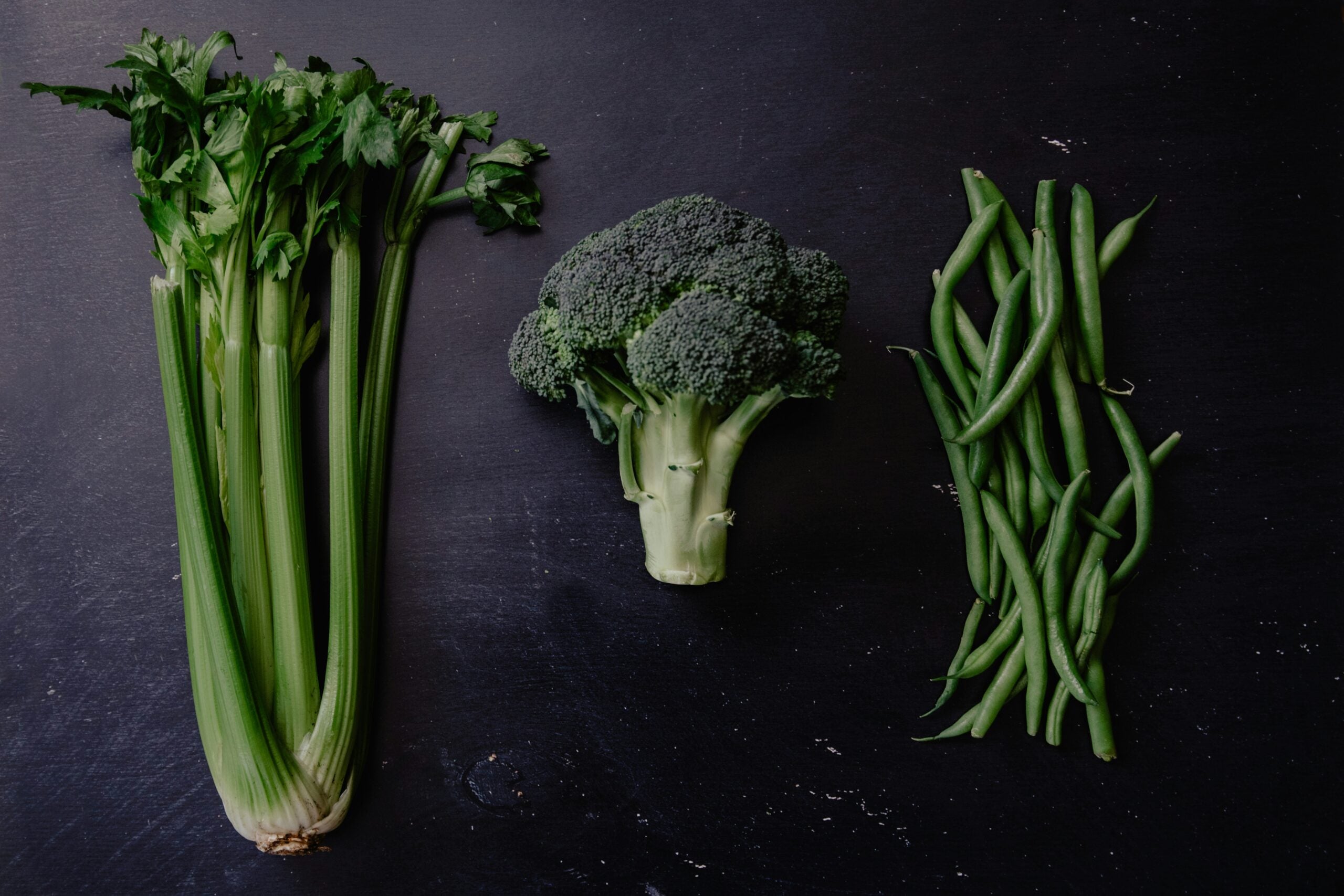
The New Food Pyramid implies that we should all be eating a big juicy steak, cheese, whole milk, salmon, avocado, shrimp, eggs, and butter. For veggies, images depict raw broccoli, carrots, lettuce, peas, and both raw and canned tomatoes. Images show strawberries and blueberries beside grapes, bananas, apples, pears and oranges. Realfood.gov commands that we “eat real food” and asserts that “real food starts here.”
In other words, this pyramid is encouraging us to eat some of the most expensive foods out there at a time when many people in the U.S. have already been struggling with grocery costs.
People can identify a whole host of reasons we cannot agree on what we should eat: culture, religion, allergens, intolerances, mistrust, and more frame what people put on their plates. All of these food pyramids, however, homogenize what constitutes good food and overlook the wide range of meanings associated with eating and sharing food.
Amid debates about nutrition science, it becomes clear that social and cultural ideas about real food — rather than cost, practical concerns, or what families actually prepare in their homes — are at the core of this radical shift in dietary advice.