Malaysia and Indonesia are palm oil royalty. Together, these two nations source over 85% of the world’s most-used vegetable oil, appreciated for its low production cost and versatility as an ingredient for cooking, preservatives, cosmetics, detergents, and even biofuel. Yet, although palm oil demand is rapidly accelerating, expecting to nearly double from 2009 to 2050, its production comes with an ecological and political cost.
I am a Malay-American filmmaker currently investigating the underbelly of Malaysia and Indonesia’s palm oil plantations. While the plant (Elaeis guineensis Jacq.) can grow in a variety of soils and warm, wet climates, I have found that the region’s unique political history prepped the region for a palm oil boom.
Malaysia and Indonesia source over 85% of the world’s most-used vegetable oil — but its production comes with an ecological and political cost.
Malaysia’s policies are an extension of the 19th and 20th century plantation economy, when the British Empire enforced the Kangani system, a labor practice that pulled villagers — predominantly from India — to serve as indentured laborers and cultivate colonial rubber plantations. The Dutch empire employed a similar practice in Indonesia, forcing Javanese and Chinese locals to create infrastructure and manage rubber milling facilities. As indentured servitude slowly phased out, contract labor systems replaced it and persisted after Malaysian and Indonesian independence.
By the late 1900s, synthetic rubber began encroaching on Southeast Asia’s natural rubber market. The diminishing market for natural rubber caused Malaysia, and later Indonesia, to expand palm oil production and diversify their agricultural sector, sometimes directly converting land from traditional rubber farms into modern palm oil plantations. By the 1980s in Malaysia and early 2000s in Indonesia, land area for oil palm surpassed that of land area for rubber production.
As the global demand for palm oil has grown, Malaysia has contracted almost 400,000 migrant workers, or 80% of all plantation staff, mainly from Indonesia, Nepal, India, and Bangladesh. In Indonesia, the government has employed millions of transmigrant farmers who moved primarily from Java and Sumatra to Kalimantan, as well as immigrant workers from neighboring countries.
We might understand this transformation as a shift from empire-to-empire. While the first empire embodied British and Dutch colonialism, their migrant labor structures prevailed and a new empire — palm oil — was born.
We might understand this transformation as a shift from empire-to-empire.
The costs of palm oil production
Palm oil development is a driving force for deforestation and biodiversity loss in Malaysia and Indonesia, which together experience the highest rate of deforestation in the world. In addition, palm oil slash-and-burn practices cause a fifth of all Indonesian wildfires. These practices release smoke and toxins that threaten the health and livelihoods of local residents alongside air and water pollution from processing itself. Yet, corporations often do not report their plans to deforest land that breaches indigenous borders, or they ignore Native Customary Rights altogether.
Investors and government officials often promote palm oil as a way to boost gross domestic product, reduce poverty, and develop rural communities in Southeast Asia. Yet, environmental research shows that regional economic growth from palm oil varies significantly depending on the financial situations of local residents and the ecological context in which people live.
Palm oil development is a driving force for deforestation and biodiversity loss in Malaysia and Indonesia, which together experience the highest rate of deforestation in the world.
When I first started researching the palm oil industry in 2019, I was quick to learn how corporate palm oil threatens the local ecology and livelihood in native villages. However, I did not fully grasp the extent of the industry’s labor violations until I attended a keynote speech at the Georgetown University School of Foreign Service and met Duncan Jepson, founder and former managing director of the anti-trafficking NGO Liberty Shared.
There is significant evidence that abusive working conditions still exist on sustainability-certified plantations in Indonesia, such as debt bondage, chemically-toxic tasks, coercive work, and child labor. While over two-thirds of plantation workers in Malaysia are men, a small number of women, often ethnic minorities, live in company housing to support themselves and their families. Their ethnicity, poverty, geographic isolation, and reliance on corporate systems make these women more vulnerable to discrimination and sexual violence.
In 2020, the Associated Press reported dozens of rape cases committed by male workers against female colleagues, even teen girls on palm oil plantations, including that of Malaysia’s largest palm oil company Sime Darby. That same year, Jepson spearheaded an investigation that demonstrated Sime Darby practiced forced labor on their plantations, contrary to their recent sustainability reports.
Thanks to Jepson’s investigation, U.S. Customs and Border Protection enforced a two-year import ban against all palm oil produced by Sime Darby. Shortly after, Italian confection company Ferrero and multinational food corporation Cargill also cut ties with Sime Darby, further damaging its stock value. In response, Sime Darby sued Jepson, but quickly dropped the case.
Preventing labor violations
Third-party investigators, like Jepson and the Associated Press, have helped pressure major palm oil companies, trading partners, and governments to better abide by international ethics and sustainability standards. Over the two-year palm oil ban with the U.S. government, Sime Darby spent $20 million to compensate migrant workers’ high recruitment fees and employ an ethical trade company to audit their supply management. U.S. Customs and Border Protection lifted the embargo on Sime Darby in 2023, claiming that their new investigation found “satisfactory evidence” that the plantations no longer use forced labor. After the ban, the international sustainability certification Round Table on Sustainable Palm Oil (RSPO) also tightened the labor rights standards.
While the presence of coercive and abusive work has improved on some palm oil plantations, there are still gaps in governance that need to be addressed. For instance, ethics and sustainability auditors did not flag labor violations on Sime Darby before the U.S. ban, and, oftentimes, corporations directly pay auditors for inspections, creating potential conflicts of interest. RSPO may have increased protections for workers since 2021, but less so for indigenous communities and their land.
It’s important that Malaysia and Indonesia first carry out fundamental human and labor rights laws and regulations they already have that prevent child labor, assault, abuse, and financial coercion on plantations, then extend policy protections through new regulations and new laws. Checks and balances to increase enforcement can take the form of trade bans, third-party investigations, whistleblowing, auditing, or monitoring.
Technology such as blockchain, mobile phones, and video surveillance could also serve as methods for better record-keeping, geolocation, and safety on plantations. Jepson argues, “Now we have tools to make sure that if a woman is sent alone into a forest, which shouldn’t really be happening, but if she is, there can be better monitoring of what is happening to her.”
Unionization is a multifaceted solution for human rights in the palm oil industry. Creating labor unions across all major palm oil companies would not only engage the workers’ voices, but also integrate a more just auditing system that works hand-in-hand with local communities surrounding the plantation. For instance, in recent years a female palm oil worker, Ani, led a labor union on a plantation in East Kalimantan, Indonesia. Ani and her colleagues successfully improved health and safety practices for workers, increased access to health insurance for farmers, and opened up the company-owned medical clinic for local villagers to use.
Unionization is a multifaceted solution for human rights in the palm oil industry.
More long-term agendas for unions could include shifting the amount of workers under day-contracts to permanent laborers, as well as better enforcing and increasing the minimum wage. Widespread unionization would also serve as another screening measure in the palm oil industry to minimize collusion between major corporations and third-party auditing organizations required to obtain the RSPO certifications.
Unionization will not inherently solve all malpractices in the palm oil industry. Meetings for unions today are often squeezed into the end of a long day’s work and, unlike Ani’s story, they are typically run almost entirely if not completely by men. Women on the plantation have expressed that they may feel too intimidated to participate in union meetings and instead use their scarce free time to care for their home and children. Thus, future unionization of the palm oil industry must prioritize women and diverse leadership for the most ethical and sustainable outcomes. Furthermore, verbiage that supports fair unionization could be integrated into improved RSPO standards, as well as more specific guidelines for indigenous land protection.
Scientific alternatives to palm oil
Bioscientific innovations offer the most promising alternative to palm oil. Environmental studies report that the next best vegetable oils on the market, rapeseed and sunflower oils, are not as scalable or efficient as palm oil trees, though yield efficiency may decrease as climate change intensifies. Instead of land-grown vegetable oils, lab-based oils could diversify the industry. MIT alumni founded C16 Biosciences, a company that makes “torula oil” using torula yeast to ferment sugar, marketing itself as a lab-based and thereby more versatile palm oil substitute for major cosmetic companies like Estee Lauder.
Even more promising is No Palm Ingredients, a Dutch company that ferments agricultural waste, rather than relatively expensive sugar, into a lab-based alternative to palm oil food and cosmetic products. Independent consultants and food scientists cite that lab oils are in an early stage of development and not yet competitive with large-scale palm oil corporations that heavily rely on cheap labor for massive production. However, a future where lab oils are scalable is not implausible, especially if labor regulations pressure palm oil corporations to enforce and increase minimum wages.
As demand for palm oil rises in the face of little to no current mass market alternatives, sustainable development and human rights in Southeast Asia is becoming ever more urgent. RSPO and similar sustainability badges have shown to improve the socio-economic and environmental disparities of the palm oil industry, but only when credibly enforced, transparent, and accessible.
Widespread unionization, improved RSPO regulations and enforcement, and innovative lab-oil substitutes could revolutionize the ethics and sustainability of today’s palm oil industry. Filmmakers, writers, and storytellers like myself will also play a vital role in documenting and communicating these new advances worldwide. Corporate palm oil may reign for now, but with the right employment of policy and technology, it may not always have to.
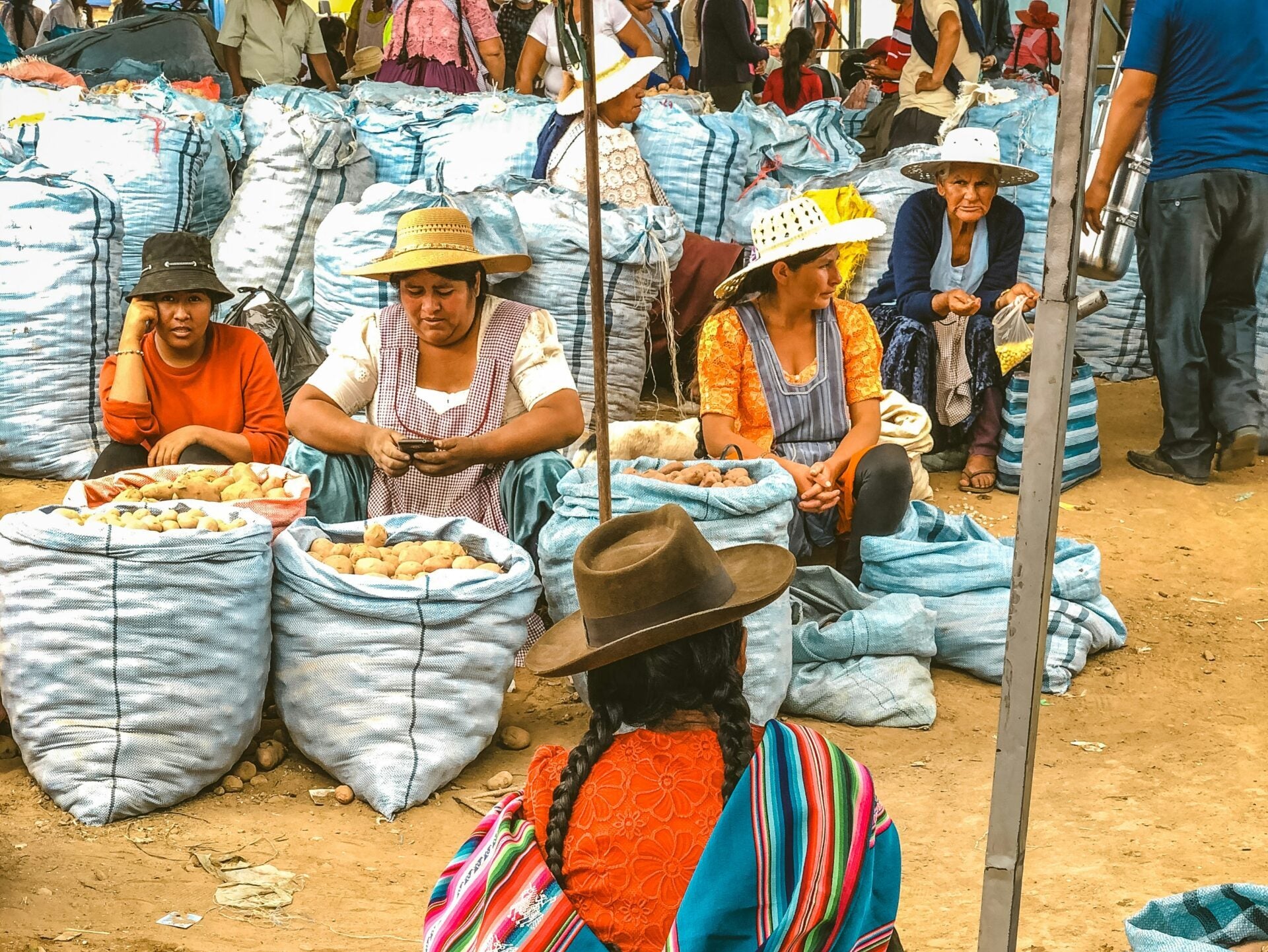
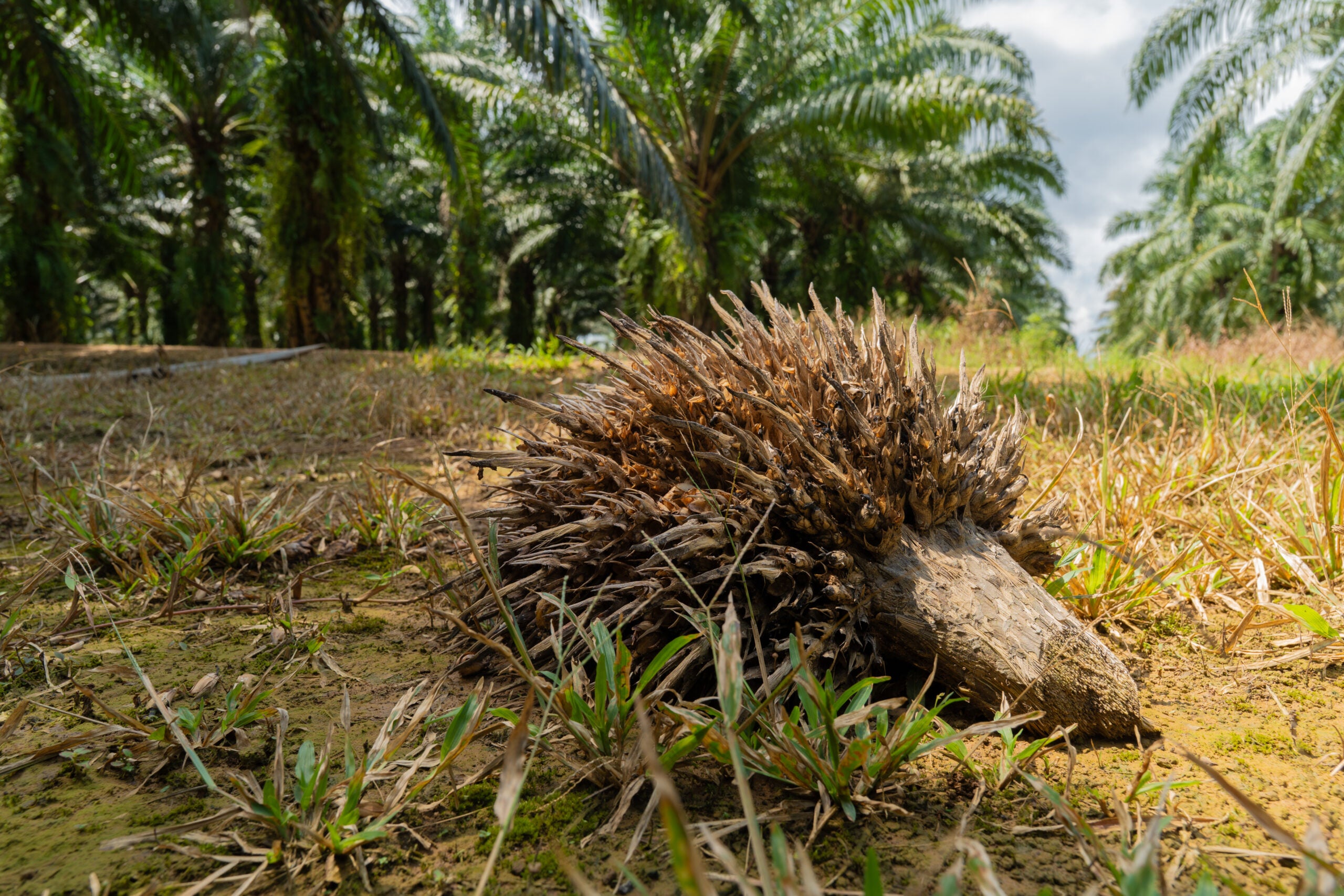
Explore the article’s accompanying photos here, shot in Selangor, Malaysia. | Shot by Iman June Blackwell