African countries have the opportunity to benefit from shifting global politics if they can harness the power of natural resources.
The United States has recently demonstrated several policy decisions that emphasize the country’s focus on natural resources: the capture of President Maduro of Venezuela; the rhetoric related to the purchase of Greenland; the assasination of Ayatollah Ali Khamenei of Iran; and the critical minerals deals and commitment to the Lobito Corridor with the Democratic Republic of the Congo, Zambia, and Angola.
Finding ways to gain from the natural resources sectors is not a new challenge; African countries have been trying for decades.
These decisions indicate interest in developing partnerships with resource-rich nations, especially in oil and critical minerals, will continue to be a foreign policy priority.
As such, Africa’s resource rich countries should harness global uncertainty to reframe financial arrangements with wealthy nations, including the U.S. and China.
Managing Foreign Investors to Secure Africa’s Interests
The U.S. government and U.S. companies will engage with resource rich African nations both diplomatically and via financing and investment. This engagement is important particularly when there are environmental catastrophes. For example, in 2025 the Sino Metals Leach’s acid spill in Zambia claims that anywhere from 50,000 to 1.5 million tonnes of acid were spilled into the Kafue River, Zambia’s longest.
Extensive litigation around this environmental catastrophe may provide useful insight into how to use recourse environmental litigation to manage and minimize risk .
Another way to protect African interests is to change laws and policies so that foreign investment in natural resources can benefit local people. This involves foreign investors coming into compliance, for instance, with sustainability standards. One particular tool African countries have are Environment, Social, and Governance (ESG) investing and sustainability investments.
While an argument might be made that the U.S. global investment strategy benefits when regulatory red tape like ESG are removed. That said, despite the U.S. government’s retreat from climate and ESG linked investment strategies, ESG has been a growing trend in Africa, with the largest economies like Nigeria, South Africa, Kenya and their stock exchanges having put in place disclosure requirements.
Impact focused investment strategies benefit African nations because they can reinvest money that they gain from selling natural resources into job creation, social and other development focused infrastructure.
Finding ways to gain from the natural resources sectors is not a new challenge; African countries have been trying for decades.
African countries also will need to assess if and how the U.S current prioritization of investment in natural resources will impact access to finance.
The United Nations Sustainable Development Goals and African Union Mining Charter development priorities, for example, were designed to reach similar goals that ESG are prioritizing now. For instance, they aimed to promote health and safety, comply with national environmental standards, contribute to shared value by creating jobs, improve local value added and increase tax revenue while attracting and retaining foreign capital, technology and skills.
However, it is unclear if the U.S. will try to reverse African countries’ commitment to ESG compliance or multilateral commitments, such as to the United Nations Framework Convention on Climate Change.
Electricity Innovation
African countries also see growth opportunities in electricity innovation. Access to affordable, reliable, and sustainable electricity remains a huge barrier to both economic growth and social well-being for over 600 million people, but the situation is improving.
The cost of energy has decreased significantly in the past decade, and countries such as Senegal are close to universal access. The reduction in energy poverty is a positive trend.
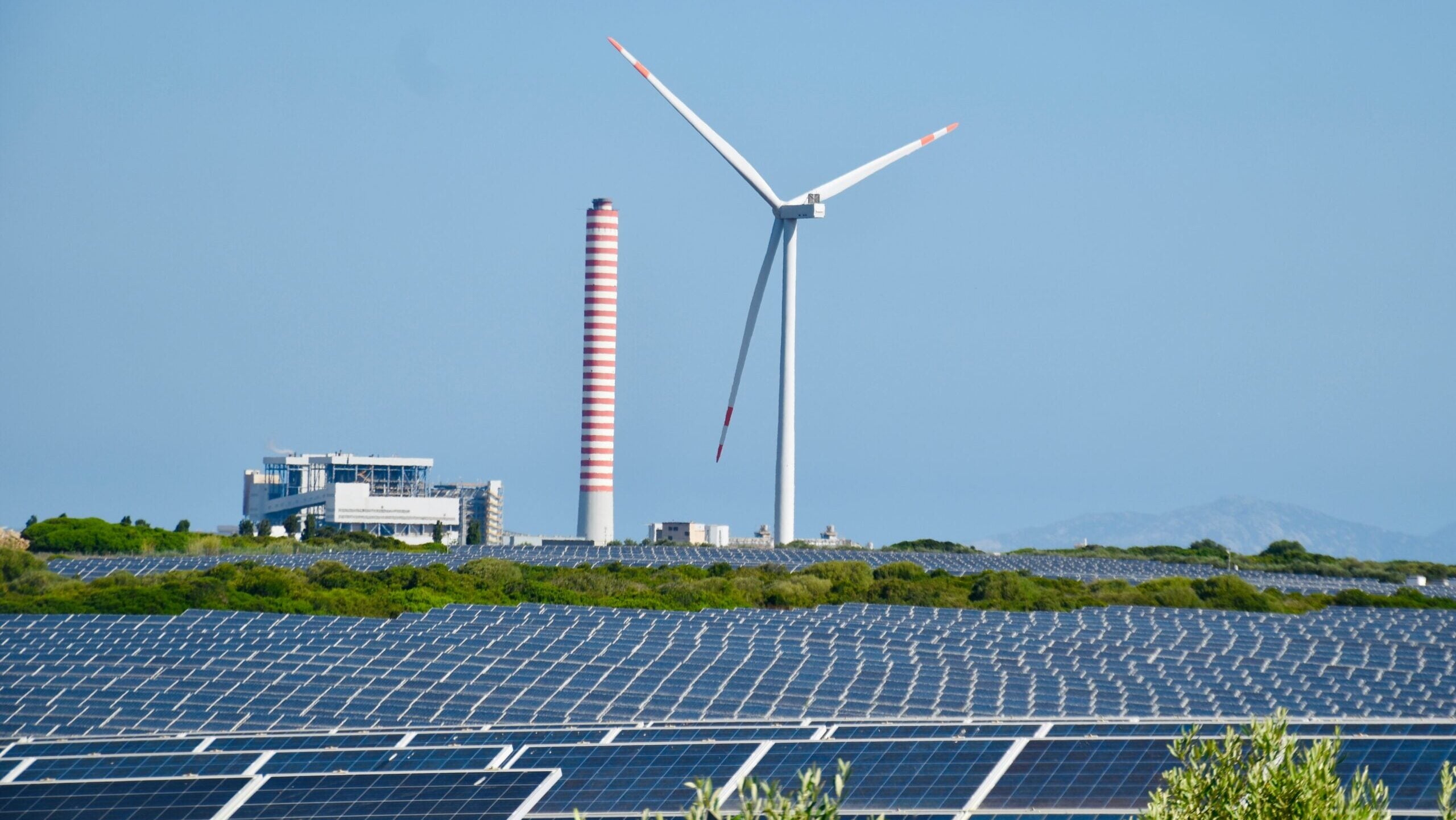
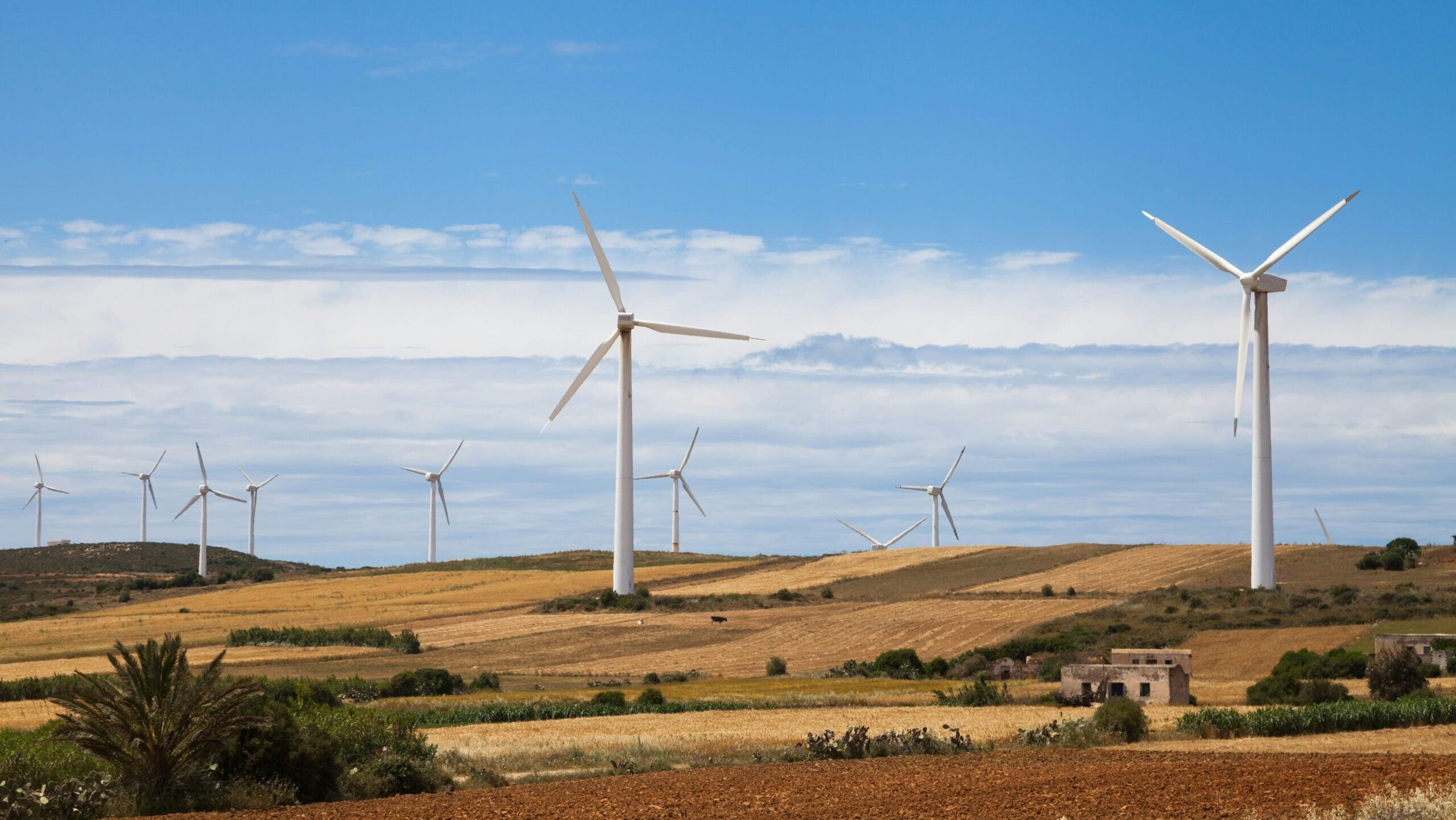
Renewable energy infrastructure such as commercial solar and wind energy has strengthened due to cheaper supply chains from China. While China’s future investments around the Belt and Road initiative seem unclear, Africa has been flooded with Chinese sourced solar panels, electric vehicles and battery storage.
Multilateral development bank initiatives such as the World Bank Group and African Development Bank’s Mission 300 also play a crucial role in increasing access to energy with the goal to connect 300 million people by 2030.
While it is hard to gauge how environmental priorities will compare to previous years, it is clear that Africa stands to benefit from an environmentally focused development strategy.
African countries also will need to assess if and how the U.S current prioritization of investment in natural resources will impact access to finance. Access to sustainable development goal related finance remains over $1.7 trillion. African markets continue to endure high cost of capital, short tenors, and high credit risk.
The added complication for resource dependent countries is that many financial institutions have put stringent ESG requirements for financing the natural resources sector.
Development finance institutions such as Africa Finance Corporation and the African Development Bank have tried to be less absolute by providing transition finance, but many U.S. financiers might be constrained.
Yet, it’s still unclear how financial institutions will be able to pivot to investing in fossil fuels and in what are viewed as risky emerging markets.
Data Centers
Another opportunity for African countries to garner power in this political moment is by quickly embracing the use of artificial intelligence and the need to build local data centers.
Countries like Kenya and Nigeria are mandating data localization, which is a huge opportunity for growth. According to a data center map, there are 241 data centers across the continent of about 1.5 billion people compared to 557 in the state of Virginia, which has a population of close to 9 million.
That said, investment in data centers will continue. The African Union Framework for Digital Growth provides countries parameters within which to start planning for the wider ecosystem needed to support digital growth and inclusion; however, uncertainty related to electricity availability and the pressure on power grids, water use, land use will become greater concerns for neighboring communities.
Green Jobs
African countries possess an immense opportunity for investing in talent focused on innovation around environmentally relevant solutions in energy, agriculture, and finance.
The current research on the potential for green jobs to employ Africa’s youthful population is promising. In “Sizing Demand for Junior Roles in ESG and Carbon Analysis in Africa”, a report by Axum and Localized, the authors conclude that Africa has the potential to become a major talent hub supplying ESG analysts and carbon professionals globally.
According to FSD Africa and BCG, by 2030, the continent is projected to generate between 1.5 to 3.3 million new green jobs across sectors such as renewable energy, sustainable agriculture, climate-smart construction, and green finance.
Investing in education and vocational training, creating strong enabling environments for private investors into labor intensive industry, and less restrictive migration policies that result in job creation are critical, especially considering Africa’s youthful population.
While it is hard to gauge how environmental priorities will compare to previous years, it is clear that Africa stands to benefit from an environmentally focused development strategy.