Shortly after Donald Trump won the 2016 presidential election, I was sitting in the auditorium of the United States Department of the Interior, feeling a sense of dread that all our agency’s climate work might soon be dismantled by the incoming administration.
President Obama was speaking, providing a bit of a pep talk, and he paraphrased this quote attributed to social reformer Jacob Riis: “When nothing seems to help, I go look at a stonecutter hammering away at his rock perhaps a hundred times without as much as a crack showing in it. Yet at the hundred and first blow it will split in two, and I know it was not that blow that did it, but all that had gone before.”
I try to remember this message now, when the prospects for progress on climate change appear bleak. The second Trump administration actively denies the very existence of climate change and that humans are the cause and has taken a wrecking ball to the significant progress made over the last five years on climate mitigation and adaptation. Now even climate champions are debating whether to utter the words climate change.
Yet opportunities still exist to make smart climate policy a nonpartisan issue. Analysis shows a steady increase in the percentage of people who say that climate change will harm future generations and will harm the US. From a partisan perspective, one analysis found that most Democrats recognize human-driven climate change as a problem, and an increasing number of young Republicans want to expand clean energy and support climate adaptation funding. Now is not the time to ignore these trends.
Based on my decades of experience working on energy and environmental policy, I offer three actions climate scientists and practitioners can take right now as we continue this marathon journey to protect our planet.
- Stop using wishy-washy language on climate impacts
The language we use to talk about climate change is, and always has been, important. Whether to use the phrase “climate change” or the phrase “global warming,” for example, has sparked much debate and theatrics over the years. But the controversies around climate change and the perception that we are surrounded by climate deniers can drive people to fall into the “spiral of climate silence.”
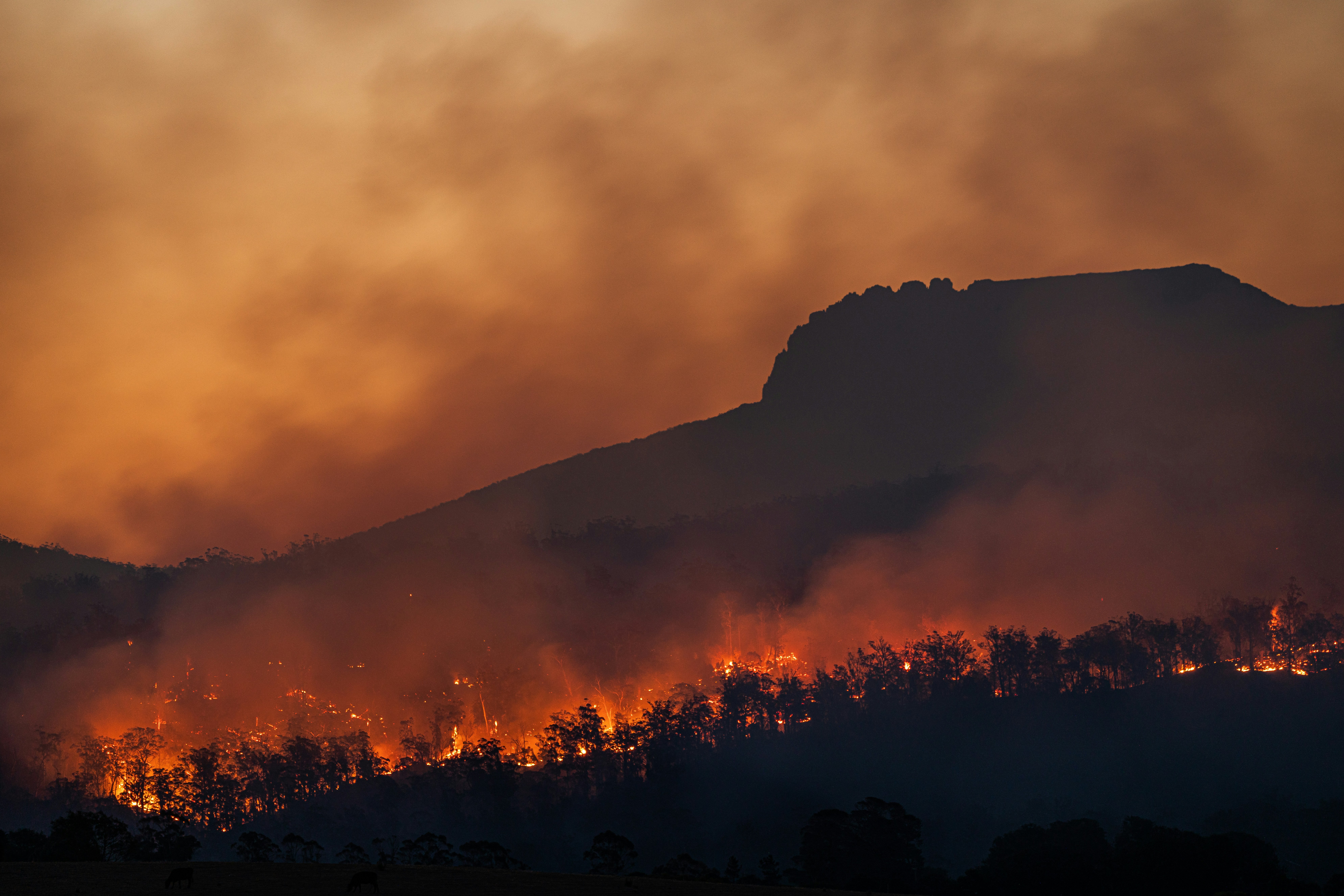
I witnessed this phenomenon firsthand working at the Interior Department during the Obama administration. At a time of split government and intense debate about U.S. energy policy, we often used words like “community resilience” or “adaptation” even though we had plenty of evidence about changing environmental conditions on the ground: species moving to new habitats, increasingly intense wildfires, growing drought conditions.
Who could argue, after all, that we shouldn’t support communities whose coastlines were disappearing or that we shouldn’t invest in invasive species eradication programs?
Now is not the time to go silent on the exact causes.
At the time, there was uncertainty in climate predictions. Climate attribution science was still relatively new, and downscaled models to predict how a changing climate might affect a given area were still in development.
Our scientists and career agency officials wanted more certainty before they would commit to scary-sounding conclusions about things like popular oceanfront towns and their outdated infrastructure becoming overwhelmed by increasingly severe storm events.
Today, however, communities across the country are experiencing these terrible events, and the science to attribute them to climate change has advanced considerably. Academic polling has shown that once people experience an extreme weather event personally, they are highly likely to acknowledge the existence of climate change as a factor, and assert that they want the federal government to do something about it.
An analysis by the University of Pennsylvania’s Annenberg Public Policy Center found that repeated exposure to extreme weather events prompted higher support for policies that address climate change among both Republicans and Democrats.
We have a responsibility to double down on the directness of the language we use to talk about these events, why they are happening, and what we can do about it. This means climate experts and practitioners must commit to naming climate change when communities experience extreme flooding, or the wildfire that tears through a coastal town.
All across the country, people from all walks of life and all political denominations will unfortunately experience negative impacts from a changing climate. Now is not the time to go silent on the exact causes.
- Amplify the real benefits of climate solutions
Climate anxiety is now a recognized problem, with high rates of children and young adults experiencing some degree of worry about climate change.
Action is the antidote to despair. Climate scientists and practitioners can emphasize climate solutions and amplify how those solutions will not only address the causes and impacts of climate change, but also come with very real benefits to our health and the economy — two issues that are top of mind at the ballot box.
Experts continue to point to the tremendous economic opportunities associated with a clean energy economy.
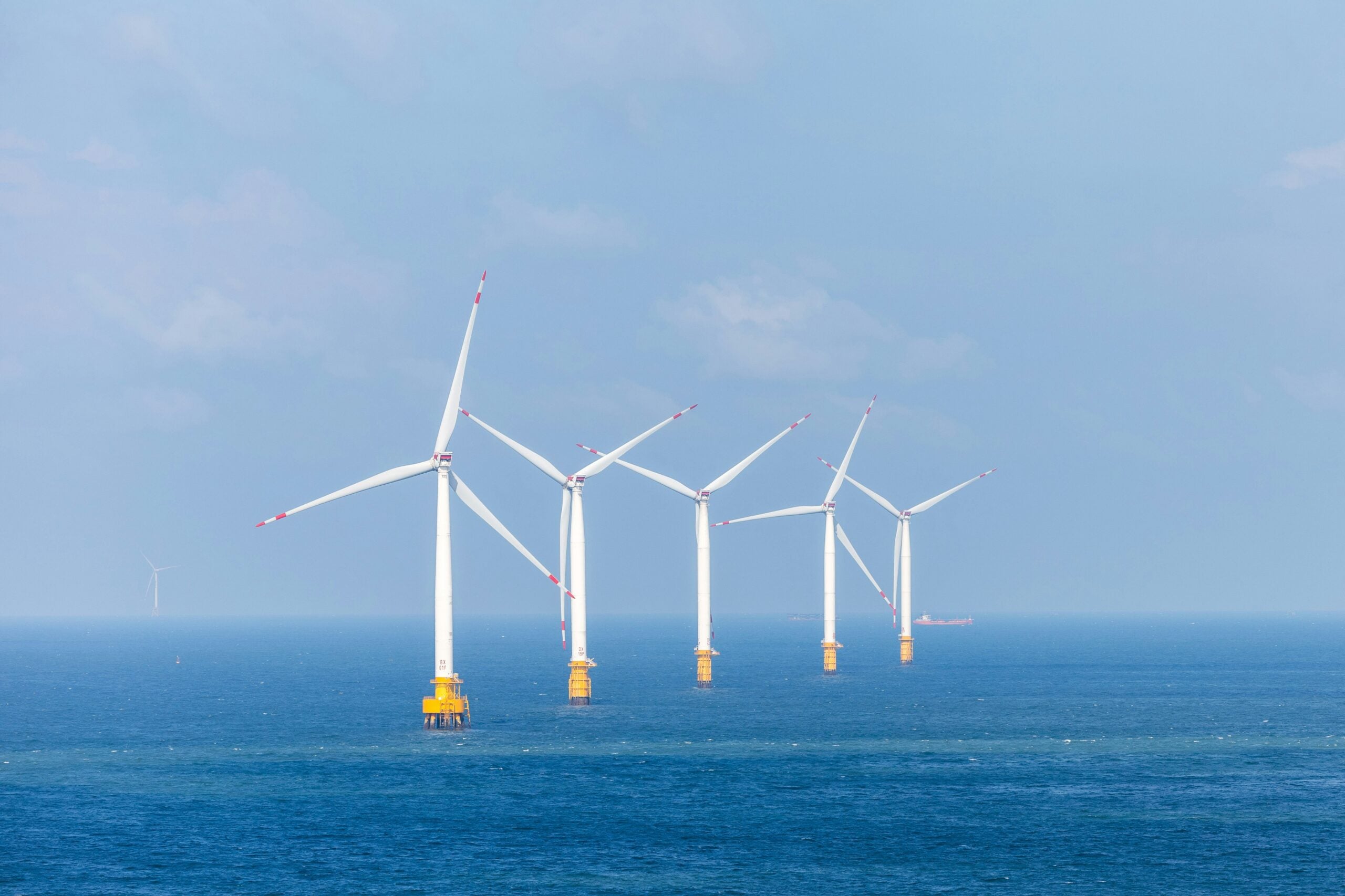
Climate deniers often spread disinformation to minimize the benefits of any particular climate policy. Researchers at Brown University, for example, explored how anti-offshore wind groups would foment opposition to offshore wind by invoking policy perfectionism, overly emphasizing the potential negative impacts of offshore wind projects and significantly underestimating the costs, risks, and impacts of failing to transition to cleaner energy sources.
When I served as director of the Bureau for Ocean Energy Management, which oversees offshore wind in federal waters, we found individuals opposed to offshore wind projects would routinely argue that since our own analysis might conclude that one offshore wind project will not solve climate change, that project should not move forward.
Arguments like these can fuel climate despair. Why would we invest in one policy to reduce greenhouse gas emissions when worldwide emissions levels are so high? These deniers push the idea that the problem is too large, and we have an economy to think about.
Ample evidence shows that a transition to cleaner energy sources and supporting communities at climate risk will strengthen economies. As far back as 1997, the federal government was identifying and acknowledging the real economic benefits that renewable energy sources can provide to the U.S., including through job creation for local workers.
Since then, experts continue to point to the tremendous economic opportunities associated with a clean energy economy.
We need to address the myth that any climate action will cause a drain on the economy. We need to communicate benefits in plain language. Abandon the jargon, tell a story, use examples, and be confident in your assertion that at a time when energy demands are increasing, clean energy will be cheaper than continuing to rely on other, long-subsidized sources of fuel.
- Continue to support data-driven, research-backed analysis of climate policies
Now it is more important than ever for climate scientists and policy experts to double down on demonstrating the efficacy of climate solutions.
At BOEM, I repeatedly pointed to the importance of building and operating offshore wind projects. My view then, and now, was that once projects are operational, data will show how these projects can deliver energy efficiently, bolster grids at critical time periods during the day, and do so while lowering costs for consumers.
Clean energy technologies already offer several advantages. Battery storage advances, continued developments in floating offshore wind, and electrification and greening of different industrial sectors are happening.
We must invest in partnerships at the community level.
Even though the current president disavows the benefits of clean energy sources, efforts to make a clean energy transition in the U.S. continue to move forward (even if at a slower pace).
Yet, there remains a high cost of inaction, amplified by current policy roadblocks. Areas that need to be urgently addressed, for example, include the dire situation that homeowners in wildfire-prone areas will find themselves in when they look for affordable home insurance.
We know the economic damage that will come to communities that rely on winter recreation for their tourism dollars but are watching the snow disappear. We know that coastal communities will continue to see homes literally fall into the ocean as the sea rises and lands are washed away.
The current administration’s approach to ignoring or denying these impacts presents an important opportunity to bring legal challenges demanding that agencies face the facts of climate change and incorporate that knowledge into their decision-making.
Crucially, investments must be made in continuing to improve global climate data, focusing on supporting the research institutions that have captured not only the climate data but also those data that the current administration has removed from public websites.
We must invest in partnerships at the community level among nonprofit organizations, state and local governments, and private companies to support climate solutions.
Like President Obama reminded us a decade ago: although we may feel like the rock of climate inaction is impenetrable, now is not the time to give up. Get those chisels out and get to work.