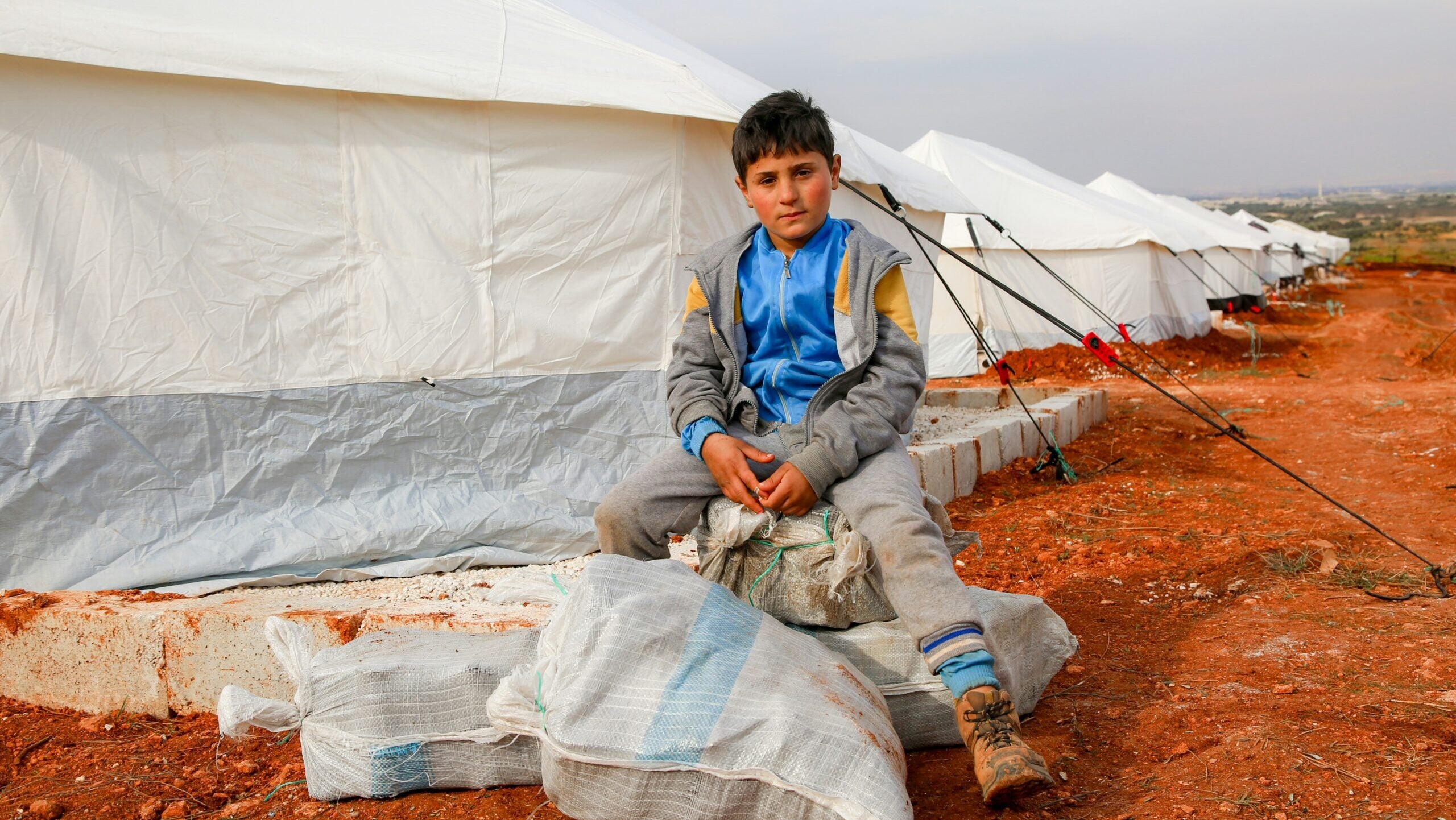
The world has known the hollow quiet that follows retreat. Clinics once staffed sit empty. Classrooms lack books. Communities that thrived with a steady hand of support now wait, uncertain, for what comes next. Over the past year, the global development sector has lived through profound loss.
With the closure of USAID, the removal of its missions, and the retraction of American resources abroad, a cornerstone of international engagement has faltered. Where the United States once symbolized partnership and possibility, uncertainty has taken hold.
The withdrawal has left more than a policy vacuum. It has shaken confidence in the goodwill of the American people themselves.
Behind every program metric, dollar spent, and project report was a team of people who believed in the simple idea that helping others serves not only a moral purpose but also forwards national interests.
China and other competitors have recognized the opportunity and have quickly filled the void, reshaping global narratives and relationships that once rested on the foundation of trust built through generations of sacrifice and sweat equity of American development and humanitarian work.
For countless communities, the retreat and, in many cases, disappearance of American engagement has meant real consequences. We are seeing increases in mortality from disease, setbacks in economic growth, declines in health outcomes and the erosion of local capacity that took decades, and in some instances, American lives, to strengthen.
As a USAID professional, I have witnessed real moments of triumph. In 2003, I served on a Disaster Assistance Response Team during the Darfur crisis. We successfully negotiated with the Sudanese government to allow humanitarian aid into the region. I have also confronted the deep frustrations of the system, especially when geopolitics or bureaucracy slowed down or blocked rapid delivery of life-saving assistance.
I understand the inefficiencies that were present and the bureaucratic limits that affected outcomes. Yet I also know what it meant.
Behind every program metric, dollar spent, and project report was a team of people who believed in the simple idea that helping others serves not only a moral purpose but also forwards national interests.
What Comes Next
What comes next cannot be a restoration of the old system as it stood. The future demands reinvention. Across the world, the same talented professionals who once served with USAID and other agencies are reimagining development in new ways. Many former USAID employees, for example, are building community-owned initiatives, partnering with local entrepreneurs and designing more agile systems that respond directly to people’s realities rather than bureaucratic timelines.
Across the globe, we are seeing new leaders in community development. Locally led and community-owned initiatives are stepping into a space once dominated by large donors with neighborhood organizations and civil society groups assuming greater control over program design and implementation in fragile conflict-affected communities. This is a good thing.
Flexible philanthropic funds and alternative funders are routing capital directly to local NGOs and community enterprises, enabling them to respond faster and with fewer administrative hurdles than the traditional U.S. government mechanisms. These arrangements allow local actors to test new approaches, adjust based on real-time feedback, and pursue priorities defined in their own communities rather than by distant bureaucratic calendars.
A more equitable future of development is fueled by the same passion and values that drew so many of us to public service, including empathy, integrity and an unshakeable belief in human potential.
At the same time, a new generation of local entrepreneurs and social enterprises is treating development challenges as opportunities for innovation rather than problems to be managed from afar. In interviews from West and East Africa, former implementing partner staff describe launching businesses, and creative economy platforms that had once depended on USAID but now grow through blended finance, regional investors, and anchor clients in their own markets.
International NGOs coping with deep USAID cuts are accelerating this shift by hiring more local staff who have longstanding investments in the communities they serve. Handling implementation authority to national partners, and coordinating through country-level coalitions instead of Washington-centric consortia may have a transformational impact on how programs across sectors are implemented and maintained. Together these trends offer a credible basis for optimism in the post-USAID world. One fueled by development that is locally owned, entrepreneurial, and responsive to the lived realities of the people it is meant to serve.
A more equitable future of development is fueled by the same passion and values that drew so many of us to public service, including empathy, integrity and an unshakeable belief in human potential. If the last year has exposed the vulnerabilities and flaws of our old approach, it has also reminded us that institutions are fragile, but the spirit of service transcends institutions.
The world still hungers for American ideals that are fundamental to humanitarian values such as compassion, courage, and ingenuity. Those ideals may have receded from the headlines and even feel extinguished, but they are not forgotten.