
At the end of 2025, to little fanfare, the United States Department of Agriculture released its last Household Food Security Report for the foreseeable future, documenting that 13.7% of American households were food insecure in 2024. With the price of groceries continuing to rise, we assume that just as many—and likely more—will have uncertain or limited access to food in 2026.
Unfortunately, we won’t have the data to back up our hypothesis. In September 2025, the USDA canceled the HFS report, calling it “redundant, costly and politicized.” The December 30 release of the 2024 data, which was already delayed two months, was likely the last report the public will see for years to come.
Any loss of data is devastating for researchers and advocates, but loss of food insecurity data in the U.S. could not have come at a worse time.
In late October and early November of 2025, the administration suspended supplemental nutrition benefits, citing limited availability of federal funding; however, critics said the unprecedented cuts to SNAP were Republicans’ retaliation for Democrats’ role in the government shutdown.
Loss of food insecurity data in the U.S. could not have come at a worse time.
Now, with new work requirements going into effect from the One Big Beautiful Bill Act, adults previously granted exemptions from work requirements typically associated with SNAP benefits, including people experiencing homelessness, will need to either fulfill those requirements or lose their food stamps. In other words, if homeless people can’t find work, they can no longer receive SNAP.
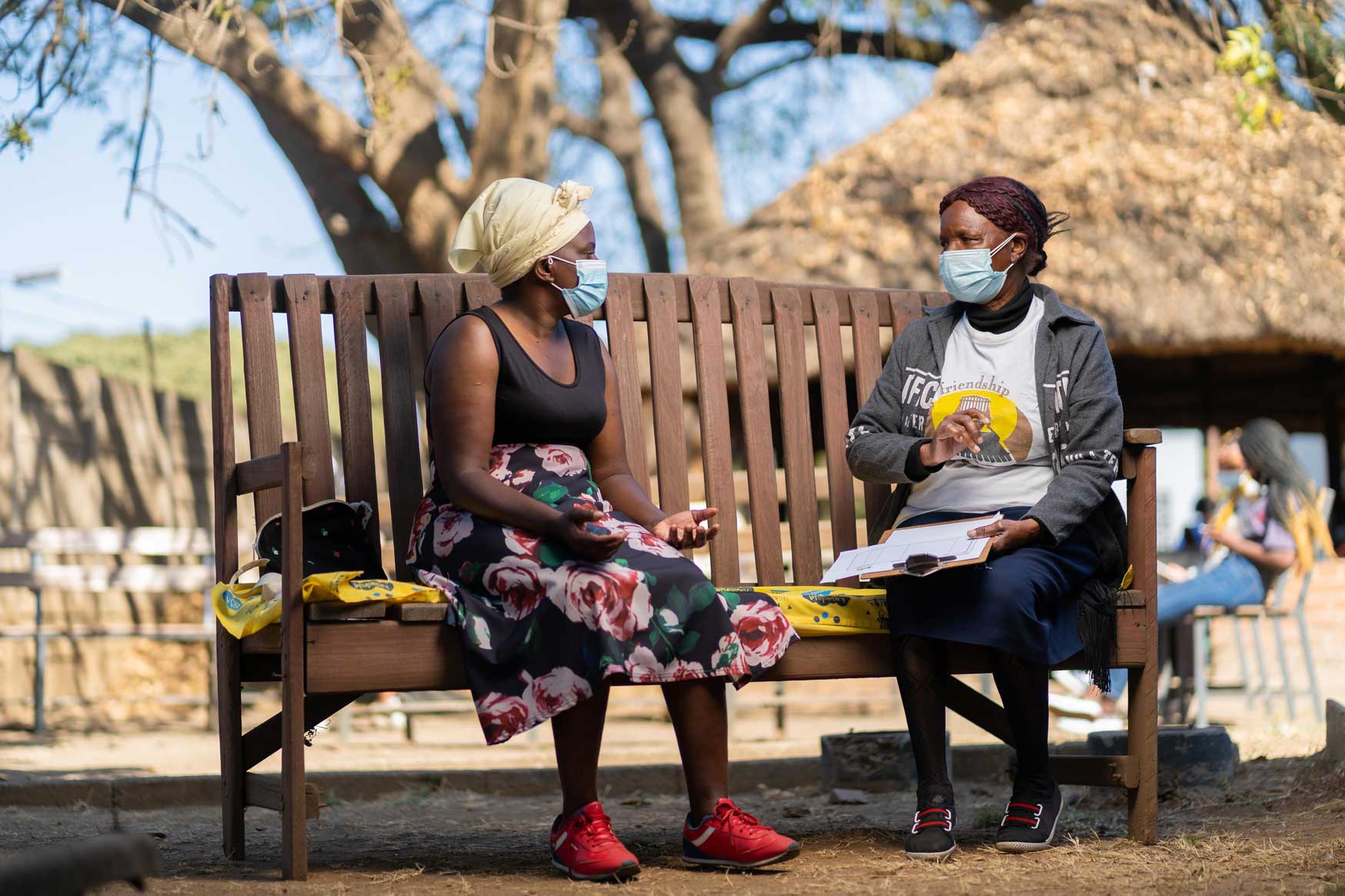
We are researchers who work directly with people experiencing homelessness in Oregon, many of whom were already struggling SNAP beneficiaries before these changes. People in our work report skipping meals, often going hours and even days without food to stretch their benefits till the next month; 87% of those with SNAP were still food insecure in 2025.
We can’t imagine how people will manage to get by if their benefits continue to be interrupted or if they become ineligible due to these new work requirements. The changes are effectively going to decrease enrollment and eligibility for SNAP, and cause many people in the U.S. to go hungry.
Defend Research, Protect Benefits
As the administration is gutting population-level research like the HFS and ensuring that more households cannot receive benefits, advocates must act to defend research and ensure the most vulnerable among us don’t go hungry. One step is to reinstate the Household Food Insecurity Report. The administration has misrepresented the report as “redundant,” presumably because it collects data annually. But that’s how researchers document change over time.
Historically, the survey has powerfully demonstrated how global challenges like the Great Recession and the COVID-19 pandemic destabilized the nutritional status of many households in the U.S. It also documented how smart policy interventions, like the American Recovery and Reinvestment Act of 2009, significantly reduced food insecurity.
More recently, the report’s data demonstrate that food insecurity has increased by 3% in the U.S. from 2020 to 2023. These data are not documenting redundancy; they’re documenting alarming changes in food insecurity since the pandemic — changes that are crucial for researchers, policymakers, advocates, and individual voters to understand.
Advocates can also support other national surveys that ask about food security. While the
HFS is the most representative and expansive survey, the National Health and Nutrition Examination Survey (NHANES) and the National Health Interview Survey (NHIS) will fill in some missing information. The administration has previously targeted NHANES, laying off the staff overseeing the survey at the Centers for Disease Control. Public outcry led to their reinstatement, demonstrating the power of advocacy for research surveys and research staff.
To be sure, the NHANES and NHIS combined represent data from only around half the number of households reached by the HFS; however, it is important for research and nutrition advocates to continue to voice support for these programs so they continue to collect valuable information.
At a time when accountability is needed the most, evidence isn’t optional — it’s our strongest tool to make sure all U.S. residents can feed themselves and their families.
Finally, advocates can support the Restoring Food Security for American Families and Farmers Act of 2025. Lawmakers in the House of Representatives and Senate introduced the act to repeal the recent changes to SNAP eligibility and programs. The legislation is currently supported by almost 1,500 national, state, and community based organizations.
In a democracy, especially when the situation is dire, we must not forget that the people hold the power. If you’re not doing so already, everyday citizens can support community-based organizations, religious groups, and businesses that are helping families.
Fill your nearest Little Free Pantry.
Equally importantly: Make your voice heard to your legislators. Tell them you care about research initiatives to measure hunger and nutrition. Ensure they know that nutrition support is not something they should falter on. At a time when accountability is needed the most, evidence isn’t optional — it’s our strongest tool to make sure all U.S. residents can feed themselves and their families.