
Working at USAID made me miserable. The unhappiest years of my professional life were the two I worked in my late twenties at its Washington, D.C. headquarters.
Smart, well-intentioned people whom I genuinely liked and respected, including former Peace Corps volunteers like me, were everywhere in the agency. But our daily dictates came down from the political appointees installed by a U.S. president hellbent on privatizing every nationally-owned asset in sight, both domestically and internationally.
The Ronald Reagan and George H.W. Bush administrations of the 1980s closed many overseas USAID offices, reduced its workforce by 25%, and began outsourcing jobs to private contractors. Like with DOGE, cutting federal employees was sold to the American public as government cost savings. But privatization ended up costing U.S. taxpayers more than paying salaried employees.
That reduction in force made room for neoliberal privatization to take deeper root in the global economy. Internally, the buzz was that the administration demanded cuts so that goods and services could be reassigned to the private sector. Meeting human needs was only incidental to that agenda. After one spectacularly dispiriting meeting, I wrote up graduate school applications and summarily resigned.
Privatization ended up costing U.S. taxpayers more than paying salaried employees.
Yet, in January 2025 when the Trump administration axed USAID, I was vexed. USAID health programs kept people alive, supporting families and communities, reducing overall human suffering and enabling millions to thrive. There is something so survival-of-the-fittest, so Hunger Games about abruptly eradicating lifesaving aid overnight. If you believe that policy is capable of murder, the administration’s hands are bloody red.
Because I study the global political economy of health, my reaction when I heard about USAID’s extirpation went beyond despair. My first question was: What does axing USAID make room for?
There is something so survival-of-the-fittest, so Hunger Games about abruptly eradicating lifesaving aid overnight.
Here’s one answer: The Trump administration, along with the World Bank and other institutions, want to increase the role of speculative finance in global health and humanitarian sectors.
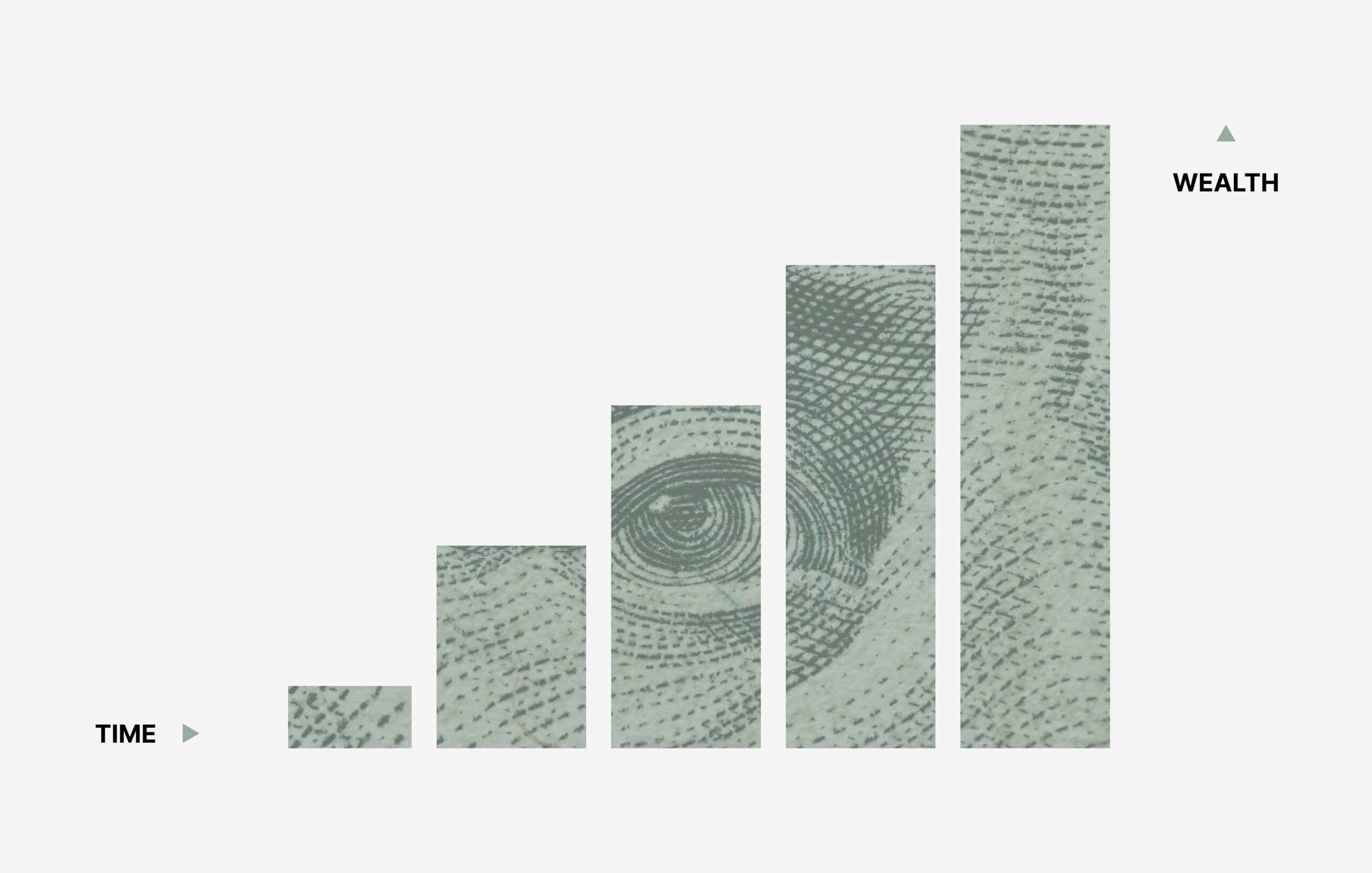
Speculative finance? That’s the making of financial investment instruments for wealthy investors to buy and sell future health and development risk, to pocket a profit. It’s a hankering to give private investors more opportunity to bet on whether basic human needs get met or not. It’s an ad hoc Let’s Make a Deal approach to helping people: Short-term private investment contracts replace long-term bilateral, multilateral, and philanthropic agreements.
With speculative finance, investors’ interests determine aid design. It means that private investors influence contractual terms and conditions, which favor their money-making ambitions more than improving health and societal outcomes.
It’s a hankering to give private investors more opportunity to bet on whether basic human needs get met or not.
Take, for example, the World Bank pandemic bonds. In my book, Investable! When Pandemic Risk Meets Speculative Finance, I show how the World Bank’s bond designers sought feedback from investors, not aid country recipients, when they made up the bonds. Contractual details of the aid depended on the answer to “What will investors buy?” rather than on keeping human needs in a pandemic front of mind. Speculative finance warps needs-based care beyond the old politics of tied-aid, making investor gains central to how aid gets designed and implemented.
From 2015, USAID started popping up in my research for Investable! and other projects in the burgeoning field of “innovative finance for development,” often as a guarantor in speculative finance aid schemes. In what I consider a gross misuse of taxpayer dollars, USAID was backstopping private investor losses, insuring that private investors wouldn’t lose too much on health or development projects that failed to meet benchmarks.
The U.S.’s turn toward speculative aid quickened during Trump’s first term. In 2019 USAID’s Development Credit Authority division – where most of USAID’s speculative aid action was happening – was merged with the U.S.’s International Development Finance Corporation (DFC). The DFC has much greater latitude in how and where it uses U.S. taxpayer money to try to induce private investors with plaudits of doing good with their money and saving the world.
If you believe that policy is capable of murder, the administration’s hands are bloody red.
In 2025, the Trump administration picked up where it left off, axing USAID while increasing DFC’s mandate and spending cap. Was there a direct transfer of funds? No. But before his appointment to head the DFC, Joe Black signalled what he would do with USAID’s money in a Substack post, “How to DOGE US Foreign Aid.” The age of speculative US aid financing was entrenching.
Aid is getting reconstituted in USAID’s absence. But the “how” and the “what” matter. Aid and speculation are two very different registers of human decision-making, with different kinds of winners and losers.
To be sure, USAID long required serious reform. I was never a fan of its civil society agendas designed to install our-way-or-the-highway U.S. capitalist value systems, for example. Even the big-heartedness of former President Kennedy’s original 1961 mandate for the U.S. to more broadly share its immense wealth begs an upgrade. But speculative finance will not help us achieve life and care for most of the people most of the time.
As we shape what comes next, there is no escaping our moral and ethical obligations as wealthy people in a world where there are still too many who are poor and sick, as Kennedy reminded us. Requiring return on investment for investors in aid endeavors is a disgusting – and, as my research shows, often ineffective – way to help people.