Today, geopolitical tensions are once again exposing the fragility of global food systems.
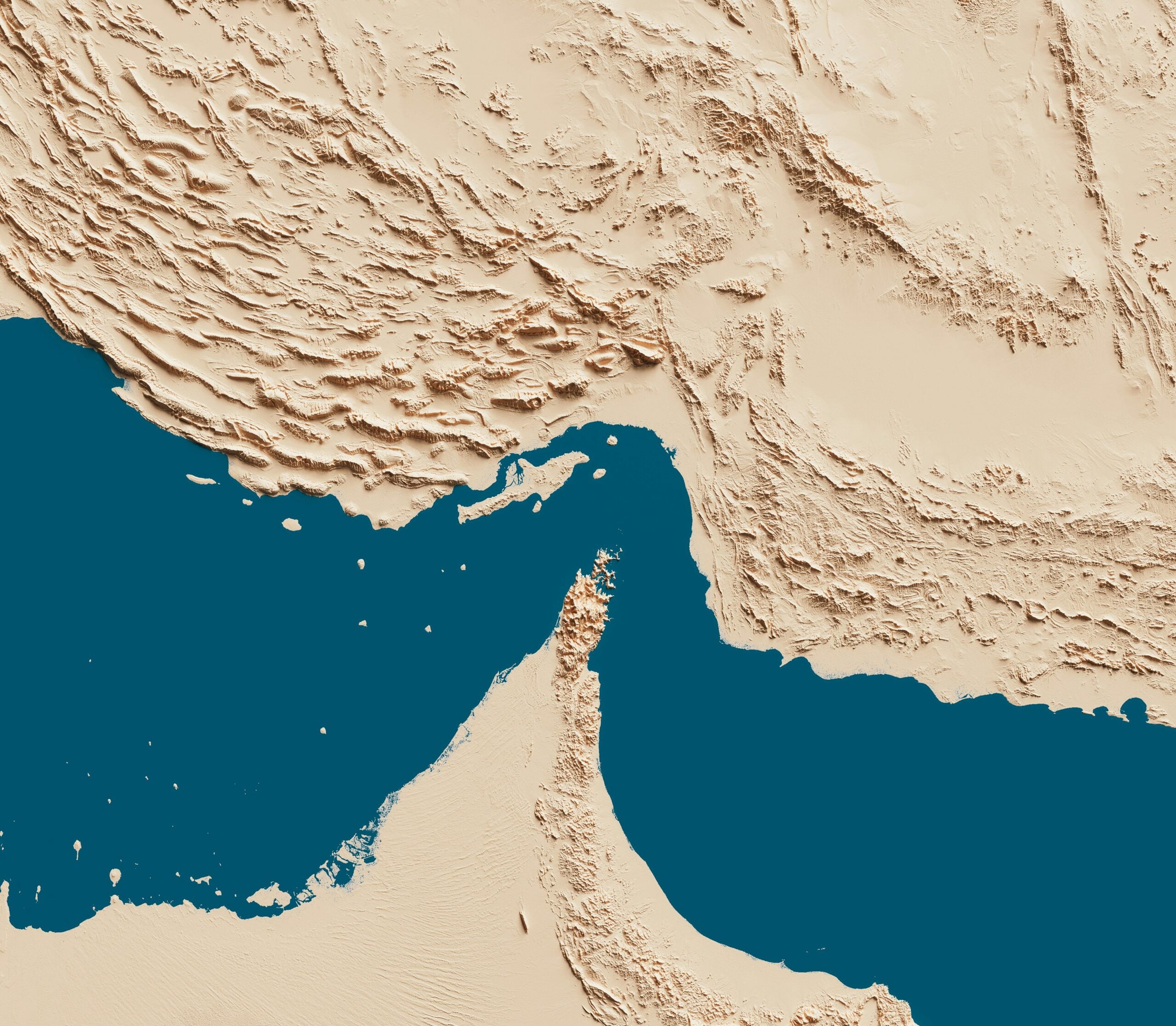
The disruption around the Strait of Hormuz, caused by the tensions between the U.S., Israel, and Iran, has substantially disrupted agriculture and energy systems around the world. According to the United Nations, roughly 30% of global fertilizer supply — like urea, ammonia, phosphate, and potash — passes through this corridor. When the route is threatened, shortages follow.
Agricultural productivity has dropped and food prices have spiked.
As the war wages on, hunger triggered by shortages of fertilizer and price spikes will further deepen crisis and poverty. It may also fuel migration and intensify competition over limited resources.
Where food is scarce, conflict often follows.
Not all countries experience these changes evenly. Countries in Africa and Asia have borne the heaviest burden. The consequences are immediate: rising hunger, small businesses shutting down, and transport systems beginning to stall.
There has been a measurable impact in the Middle East. Gulf states rely on food imports, 80–90% of which pass through the Strait of Hormuz. Fertilizer prices have surged by approximately 34–40% and exports have paused.
Disruptions to energy, fertilizer, and supply chains have rippled across Africa and Asia. At least three fertilizer plants have scaled back production in India alone due to limited supplies of liquefied natural gas, tightening supply and pushing prices even higher. The International Rice Research Institute in the Philippines warns that rising fertilizer prices pose the greatest medium-term risk to global rice markets, where costs are climbing and pressure is building. Thus, it continues to adversely impact food production and food prices across this region.
These sharp rises in food prices as a result of conflict in one region demonstrate how regional conflicts cascade into global food insecurity, leaving the least prepared and most vulnerable to suffer the most.
Entanglements of Energy, Food, and Peace
According to the World Food Programme, more than 40 million people worldwide are at risk of acute hunger. Where food is scarce, conflict often follows. Yet conflict can also be manufactured, leading to consequences far beyond the battlefield.
Energy remains the hidden driver of food systems, as agriculture depends on fuel, electricity, and inputs like fertilizer, all of which are energy-intensive. The food systems of many countries that lack fully functional oil and gas refineries are vulnerable to external shocks like rising fuel costs and fertilizer shortages.
One solution is for countries with capabilities to revive failing refineries and invest in research and innovation to become energy independent, or at least energy co-dependent. This would enable countries to overcome dependency on supply chains involving the Middle East. Instead, they should invest in local products and local production.
By focusing on local farms, farmers, and markets, countries can diversify inputs and reduce losses in times of crisis. Yet, energy and food independence go beyond improving local agricultural power around production and require partnerships that transfer and adapt technology to local systems.
Renewable energy — particularly solar — has a direct role in strengthening food systems.
One example stems from East Africa’s heavy reliance on imported refined petroleum products, primarilyimported from the Middle East. East Africa remains highly vulnerable to supply disruptions and price volatility.
This vulnerability has triggered high-level discussions among key stakeholders, including the Presidents of Kenya and Uganda, alongside the President of the Dangote Group, headquartered in Nigeria. They have proposed the establishment of a joint refinery in Tanga, Tanzania, which would process crude oil from the Democratic Republic of the Congo (DRC), Kenya, South Sudan, and Uganda. The refinery is envisioned to strengthen regional energy security by ensuring a stable supply of refined petroleum products and enhancing resilience in times of crisis. The involvement of the President of the Dangote Group—who led the development of Africa’s largest refinery—signals a strong regional collaboration with the potential to transform refining capacity and improve access to petroleum products across the region.
But cultivating petroleum independence is only part of the solution.
Africa must invest in growing a renewable energy sector as a strategic opportunity. Top oil producing countries such as Angola, Egypt, Libya, Nigeria, and Sudan can diversify beyond fossil fuels and invest in cleaner, more resilient energy systems.
Renewable energy — particularly solar — has a direct role in strengthening food systems.
Renewable energy can power irrigation, lower the environmental footprint of food systems, enhance climate resilience, reduce post-harvest losses through cold storage, and enable agro-processing for value addition. By doing so, it helps build more resilient agricultural systems and reinforces the foundation for food security and peace.
Science and Technology Must be Democratized
In a world where wars can be manufactured, resilience cannot be left to chance. Resilience must be engineered.
Democratizing science and technology can break the link between conflict and scarcity.
Taking action now means that we build a future that is both sustainable and peaceful.
Breaking this cycle between conflict and scarcity through democratization means making scientific knowledge on agricultural technology, like improved seeds and climate-resilient farming practices, accessible to farmers and local communities who need them most.
African countries must reposition science and technology in a way that is locally relevant and grounded. Technology must move beyond laboratories, reach farms, and scale from pilots to systems. It must also connect local innovation hubs to rural communities, and to global markets.
Democratization shifts science from an exclusive, top-down enterprise to one that is inclusive and locally driven. Gaining control over these innovations — especially at the national level and within local systems — can transform food systems from fragile to adaptive, and from dependent to self-sustaining.
Current energy disruptions around the world, driven by ongoing conflict, are a stark reminder of how closely energy, food, and peace are linked.
Taking action now means that we build a future that is both sustainable and peaceful.